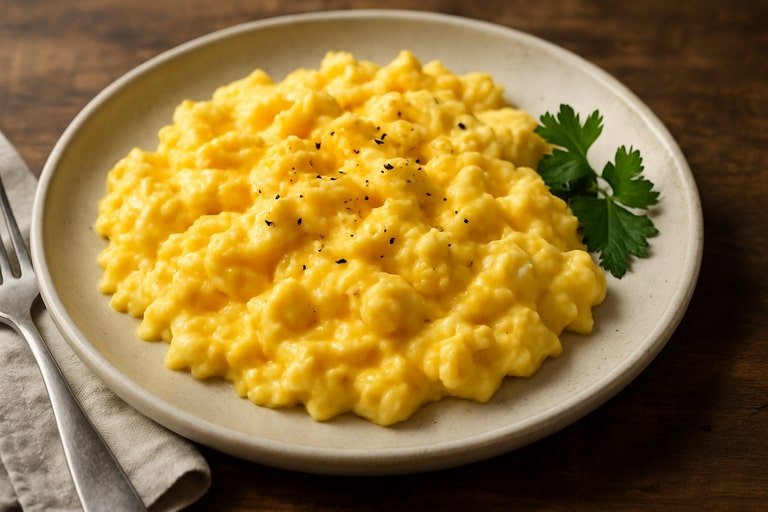
Scrambled eggs recipe embodies the essence of simplicity elevated by technique, a dish that proves mastery lies not in complexity but in care. At first glance, it appears straightforward—eggs whisked and cooked until set—yet those who delve deeper understand that creating tender, creamy, golden curds requires precision. Heat, timing, and movement in the pan determine success, turning an everyday ingredient into a dish that feels indulgent. Across cultures and kitchens, scrambled eggs have held their place as breakfast staple, late-night comfort, and versatile canvas for creativity.
The origins of scrambled eggs are difficult to pin down, as eggs have been consumed by humans for millennia, but historical records across Europe and Asia suggest early variations of the dish. What unites these traditions is the recognition of eggs as nourishing, affordable, and adaptable. Scrambled eggs recipes have appeared in aristocratic cookbooks and humble family notes alike, proving their universality across class and geography.
Technique forms the backbone of scrambled eggs recipes. Eggs must be whisked until yolks and whites are fully integrated, often with a touch of salt to season and break down proteins. Some cooks add cream or milk for richness, while others prefer pure eggs for purity of flavor. Cooking requires a nonstick pan or well-seasoned skillet, butter or oil for fat, and careful heat control. Low, gentle heat produces creamy, custard-like eggs, while higher heat yields firmer, larger curds. Mastery lies in choosing method according to preference.
Texture defines the scrambled eggs experience. Creamy versions melt on the tongue, offering indulgence, while firmer varieties provide substance and structure. Both styles carry legitimacy, illustrating how one recipe can accommodate multiple interpretations. What matters most is balance—eggs must not be rubbery or dry, but moist and tender, a reflection of control and attentiveness.
Cultural interpretations highlight adaptability. In France, slow-cooked scrambled eggs become luxurious, often finished with herbs or truffle. In the United States, they are quick and hearty, paired with toast, bacon, or potatoes. In Asia, scrambled eggs may be combined with tomatoes, scallions, or soy sauce, producing savory-sweet profiles beloved across regions. Each variation demonstrates that scrambled eggs are both universal and uniquely local.
Nutrition underscores their enduring appeal. Eggs provide high-quality protein, essential amino acids, vitamins, and minerals, making them a compact source of nourishment. Paired with vegetables, grains, or lean meats, scrambled eggs become complete meals that balance indulgence with wellness. This duality explains their presence in both fitness-oriented diets and comfort-driven menus.
Home cooking of scrambled eggs often reflects ritual. Families prepare them for weekend breakfasts, students make them in small dorm kitchens, and professionals rely on them as quick meals. The act of whisking, pouring, and stirring connects cooks across generations, embedding scrambled eggs into daily routines and memories alike.
Modern chefs reinterpret scrambled eggs with innovation. Some fold in cheeses, herbs, or spices; others plate them with smoked fish, roasted vegetables, or exotic sauces. Molecular gastronomy even deconstructs and reconstructs them, proving that the simplest dish can inspire avant-garde artistry. Yet at their core, scrambled eggs remain recognizable, demonstrating resilience through reinvention.
The sensory journey enhances their charm. The sound of eggs hitting a hot pan, the sight of curds forming, the fragrance of butter mingling with yolks—all create anticipation long before the first bite. Cooking becomes immersive, engaging senses and elevating routine into ritual.
Presentation matters as much as preparation. Fluffy golden eggs folded neatly onto a plate, garnished with herbs or accompanied by toast, appeal visually and emotionally. Their simplicity allows them to serve as centerpiece or accompaniment, a versatility few dishes can claim.
Ultimately, scrambled eggs recipe endures because it demonstrates that greatness in cooking comes not from extravagance but from respect. By mastering balance of heat, movement, and timing, cooks transform humble eggs into dishes that nourish body, evoke memory, and celebrate simplicity as artistry.
Scrambled Egg Recipes Creamy Comfort Heritage
Scrambled egg recipes embody culinary heritage carried across continents, cultures, and centuries. They represent one of the simplest ways to prepare a universally accessible ingredient, yet their variations illustrate immense creativity. Whether soft and creamy or firm and structured, scrambled eggs prove that diversity of technique can thrive within the same fundamental concept.
Historical traditions highlight this adaptability. Ancient Roman texts mention egg dishes resembling scrambles, while Chinese culinary records include egg-based stir-fries with vegetables and sauces. These examples underscore how scrambled egg recipes reflect cultural context, evolving alongside ingredients and tastes available to each community.
Technique remains pivotal across versions. The ratio of eggs to added dairy, the choice of fat, and the method of stirring determine outcome. Gentle cooking with constant stirring yields silky, custard-like eggs, while intermittent folding over higher heat creates larger, firmer curds. Understanding these variables allows cooks to tailor results, aligning method with preference.
Texture forms the defining characteristic of scrambled egg recipes. Creamy versions offer indulgence, firm versions provide substance, and hybrid styles deliver balance. Each approach satisfies different moods and occasions, proving the dish’s adaptability. What unites them is the necessity of avoiding overcooking, which dries eggs and diminishes flavor.
Nutrition reinforces relevance. Eggs are nutrient-dense, offering protein, vitamins, and minerals. When combined with herbs, vegetables, or lean proteins, scrambled egg recipes become meals that align with modern dietary goals. Their balance of satiety and health ensures their place in both everyday routines and specialized diets.
Cultural expressions diversify scrambled egg recipes further. In India, masala scrambled eggs feature onions, chilies, and spices, transforming the dish into a vibrant, savory option. In Mexico, scrambled eggs often appear with tomatoes, peppers, and tortillas, creating hearty breakfasts. In Europe, herbs and cheeses enhance flavor while maintaining simplicity. These interpretations highlight global reach and local specificity.
Home cooking adds personal significance. Families often hold specific rituals for preparing scrambled eggs, from seasoning techniques to accompaniments. The dish thus becomes part of identity, linking households through routines and memories. Shared breakfasts and late-night meals alike reinforce scrambled eggs as comfort across contexts.
Innovation expands their boundaries. Gourmet versions feature additions like truffles, smoked salmon, or specialty cheeses, elevating scrambled eggs into fine dining. Plant-based alternatives replicate textures using legumes or tofu, making the dish accessible to vegan diets. These innovations show how scrambled eggs remain relevant in modern gastronomy.
The sensory process enhances enjoyment. The fragrance of melting butter, the sound of sizzling, the sight of transformation from liquid to curd—all create anticipation. Cooking scrambled eggs is both meditative and engaging, reinforcing their role as ritual as much as meal.
Presentation elevates impact. Simple plating with toast highlights rustic charm, while garnishes or accompaniments showcase sophistication. Their versatility allows them to transition from everyday breakfasts to restaurant menus, adapting seamlessly to context.
Ultimately, scrambled egg recipes endure because they embody balance: tradition and creativity, simplicity and sophistication, nourishment and indulgence. They remind us that food’s greatness often lies in its ability to adapt, satisfy, and connect, even when built from the humblest of ingredients.
Scrambled Eggs Homemade Comfort and Flavor
Scrambled eggs homemade versions embody the intimacy of cooking, where small choices and techniques transform basic ingredients into personal statements. Unlike standardized restaurant preparations, homemade scrambled eggs reflect the cook’s touch, mood, and creativity, making each version unique while preserving the recognizable heart of the dish.
At home, decisions begin with ingredients. Fresh eggs of good quality form the foundation, while butter, cream, or milk influence richness. Some cooks prefer seasoning before cooking, others after; some whisk thoroughly for smoothness, others lightly for texture. These small choices personalize the dish, reflecting individuality.
Technique at home often reflects ritual. For some, gentle stirring over low heat produces custard-like eggs that symbolize patience. For others, quick cooking over high heat yields hearty curds suited to busy mornings. Both approaches carry legitimacy, proving that scrambled eggs thrive on flexibility.
Texture highlights intention. Creamy, slow-cooked eggs bring indulgence, while firmer, quicker versions deliver substance. Home cooks often find balance, adjusting methods to suit time, mood, or company. This adaptability ensures scrambled eggs remain reliable companions in diverse circumstances.
Nostalgia enriches homemade scrambled eggs. Preparing them may recall childhood breakfasts, family traditions, or moments of comfort during solitary meals. Cooking becomes connection, linking past and present through familiar flavors and routines. These associations deepen their role as comfort food.
Nutrition contributes to everyday relevance. Eggs supply protein, vitamins, and minerals, while additions like vegetables, cheeses, or herbs expand nourishment. Homemade control over fats, seasonings, and accompaniments ensures balance, aligning the dish with both indulgence and wellness.
Experimentation thrives in home kitchens. Some cooks fold in cheeses, spices, or fresh herbs, while others pair scrambled eggs with vegetables or meats. These variations reflect creativity and resourcefulness, proving that even the simplest dish can evolve infinitely while remaining recognizable.
The sensory journey adds to charm. The sound of whisking, the aroma of butter heating, the sight of eggs slowly transforming into curds—all engage senses, making cooking immersive. These moments enrich the process as much as the result, reinforcing why scrambled eggs remain ritualized.
Presentation highlights care. Served simply on toast or alongside accompaniments, scrambled eggs can remain rustic. Garnished with herbs, paired with smoked fish, or plated with refinement, they become sophisticated. This versatility ensures their presence across contexts, from humble breakfasts to elegant meals.
Practicality strengthens their household role. Quick to prepare, requiring minimal ingredients, and easily adaptable, scrambled eggs suit busy schedules and spontaneous cravings alike. Their dependability makes them staples of kitchens across the world.
Ultimately, scrambled eggs homemade versions endure because they embody care, creativity, and comfort. They show that food need not be extravagant to be meaningful and that nourishment often lies in simplicity. Their ability to adapt, comfort, and connect ensures they will remain timeless staples of home cooking.
Few dishes embody both simplicity and versatility as perfectly as scrambled eggs. They require little more than eggs, heat, and a touch of technique, yet they have the power to become breakfast staples, gourmet entrées, or quick snacks at any time of day. The enduring appeal of scrambled eggs comes from their adaptability, their comfort, and the way they showcase the delicate transformation of eggs from liquid to fluffy curds. Loved across cultures and generations, this dish proves that the humblest ingredients often hold the most potential.
The basic method is deceptively simple: whisking eggs and cooking them gently until they form soft, tender curds. But within this simplicity lies endless room for variation. Some prefer them creamy and custard-like, stirred slowly over low heat with constant attention. Others enjoy them firm and fluffy, cooked quickly over higher heat. These choices reflect personal taste and cultural traditions, and they illustrate how scrambled eggs, though universal, are never identical from one kitchen to the next.
The choice of fat plays a crucial role in flavor and texture. Butter is the classic option, lending richness and a subtle nutty aroma as it melts in the pan. Olive oil offers a lighter, fruitier profile, while ghee or coconut oil introduces distinctive undertones. Each fat alters the character of the dish, proving that even within simplicity, scrambled eggs offer an opportunity for creativity. A dash of cream, milk, or cheese folded into the mix enhances creaminess and ensures a luxurious texture.
Seasoning is another key element. Salt remains essential, but pepper, herbs, and spices open up a world of flavor. Chives or parsley bring freshness, paprika or chili flakes add heat, and truffle shavings turn the dish into a gourmet treat. In many cuisines, scrambled eggs are flavored with tomatoes, onions, or chilies, creating vibrant breakfast dishes that feel hearty and satisfying. The flexibility of scrambled eggs ensures they can be tailored to any mood, from minimalist to extravagant.
Cultural variations reveal the dish’s global reach. In France, “œufs brouillés” are cooked slowly into a rich, creamy custard, often served with smoked salmon or fine herbs. In Mexico, “huevos a la mexicana” scramble eggs with onions, chilies, and tomatoes for a colorful start to the day. In China, scrambled eggs with tomatoes form a beloved home-style dish that balances sweet and savory. These examples show that scrambled eggs serve as a culinary canvas, reflecting the traditions and ingredients of each culture.
Texture is central to their enjoyment. Soft, barely set curds melt in the mouth, offering delicacy and refinement, while firmer eggs deliver heartiness and substance. Achieving the right texture requires attention to temperature and timing. Gentle heat prevents toughness, while frequent stirring ensures uniform cooking. The beauty of scrambled eggs lies in this dance between control and instinct — a dish so simple yet so dependent on the cook’s care.
Nutrition further explains their enduring role in diets worldwide. Eggs are rich in protein, vitamins, and minerals, providing satiety and energy without requiring complex preparation. Paired with vegetables, whole grains, or lean proteins, scrambled eggs become part of a balanced meal that suits modern health-conscious lifestyles. Low in cost and high in value, they remain one of the most accessible and nourishing dishes available.
Restaurants and cafés elevate scrambled eggs to new heights, proving their place beyond the home kitchen. Upscale brunch spots serve them alongside artisanal breads, smoked fish, or sautéed greens. Fine dining chefs reinterpret them with luxury ingredients like lobster, caviar, or black truffle. Street vendors in many countries sell hearty versions wrapped in flatbreads or served with rice. This adaptability proves that scrambled eggs can be rustic, refined, or anything in between.
The digital age has amplified their popularity even further. Food bloggers and cooking channels highlight techniques for achieving perfect creaminess, while viral recipes experiment with additions like cream cheese, avocado, or even soy sauce for umami depth. Scrambled eggs photograph beautifully, their golden curds glistening in pans or atop toast, making them a favorite subject for food photography and social media sharing. This visibility ensures the dish remains trendy while never losing its traditional charm.
Emotional resonance also strengthens their legacy. For many, scrambled eggs represent childhood breakfasts, lazy weekend mornings, or moments of comfort during stressful days. The aroma of eggs cooking in butter is universally recognizable, evoking memories of kitchens filled with warmth and familiarity. Sharing them with loved ones reinforces their identity as food that nourishes both body and soul. Scrambled eggs endure not just for flavor but for the feelings they awaken.
Practicality ensures their role in daily life. They cook in minutes, require minimal equipment, and adapt to whatever ingredients are on hand. Leftovers can be folded into sandwiches, wraps, or fried rice, ensuring nothing goes to waste. Their affordability makes them accessible to all, while their versatility ensures they never grow boring. Few dishes combine speed, economy, and satisfaction as effectively as scrambled eggs.
Ultimately, scrambled eggs thrive because they are a perfect balance of tradition and creativity, simplicity and sophistication. They can be plain or elaborate, everyday fare or gourmet indulgence, comfort food or cultural expression. Every variation tells a story of taste, culture, and care. In their golden curds lies the essence of cooking itself: transformation, nourishment, and joy. Scrambled eggs remain timeless because they capture exactly what people seek in food — flavor, comfort, and connection.