
How to lose weight is a question that continues to dominate health conversations, and yet the true answer requires patience, balance, and a deeper understanding of how the human body adapts to change. Unlike quick fixes promising overnight transformation, sustainable weight loss relies on consistency in nutrition, physical activity, and lifestyle adjustments. By aligning daily routines with the body’s natural processes, individuals can lose weight in a way that not only reduces fat but also improves long-term health and resilience. Approaching weight loss with this mindset transforms it from a temporary project into an enduring lifestyle shift that promotes vitality and confidence.
Nutrition forms the foundation of effective weight management. Many attempts at losing weight fail because they emphasize restriction over nourishment, leaving individuals hungry and discouraged. The smarter approach focuses on nutrient density — consuming foods that deliver maximum vitamins, minerals, and energy efficiency per calorie. Vegetables, fruits, lean proteins, whole grains, legumes, and healthy fats work together to create meals that are satisfying, balanced, and sustainable. By avoiding empty calories found in sugary drinks and processed snacks, the body operates with greater efficiency, burning fat steadily rather than fighting against deprivation.
Caloric balance remains an essential principle in the process. While calorie deficits are necessary to trigger fat loss, the method of achieving this deficit matters greatly. Severe restriction may initially lead to quick results, but it also slows metabolism and increases the risk of muscle loss. Instead, a moderate and steady deficit — typically achieved through portion control, mindful eating, and regular exercise — creates an environment where fat loss occurs without triggering survival responses. This careful balance is what separates short-term diets from long-term success.
Physical activity plays a dual role in the journey to lose weight. Exercise not only increases caloric expenditure but also enhances metabolism by preserving lean muscle mass. A blend of cardiovascular activities, resistance training, and flexibility exercises creates comprehensive benefits. Walking, cycling, or swimming promote endurance and fat burning, while strength training builds muscle, ensuring that the body continues to burn calories even at rest. Flexibility practices like yoga or Pilates reduce stress and improve mobility, making exercise sustainable over time. Together, these methods create a holistic plan that strengthens both body and mind.
Hydration is an often overlooked but critical element in losing weight effectively. Water regulates digestion, supports metabolism, and helps control appetite. Sometimes the body confuses thirst with hunger, leading to unnecessary snacking. Maintaining proper hydration ensures that biological signals remain clear, supporting energy levels and making fat loss more efficient. Drinking water before meals also encourages portion control, reducing caloric intake without conscious restriction.
Sleep and recovery are just as vital as diet and exercise in weight management. During rest, the body repairs tissues, regulates hormones, and resets metabolic functions. Insufficient sleep disrupts the balance of leptin and ghrelin, hormones that control hunger and satiety, often leading to overeating. Chronic sleep deprivation also elevates cortisol levels, which promotes fat storage around the abdomen. By prioritizing quality sleep, individuals create conditions where weight loss occurs naturally and consistently.
Mindset significantly influences the ability to lose weight and maintain results. Viewing the process as an opportunity for growth and self-care rather than punishment fosters healthier relationships with food and exercise. Practices such as mindful eating, journaling, and setting realistic goals reinforce positive behavior. Rather than focusing on perfection, progress-oriented thinking encourages consistency, which is far more important than rigid discipline in achieving lasting results. Weight loss then becomes an empowering journey rather than a restrictive chore.
Social and environmental factors also affect success. Individuals surrounded by supportive communities — whether family, friends, or accountability groups — are more likely to adhere to healthy behaviors. Structuring the environment by keeping nutritious foods visible and limiting access to high-calorie temptations reinforces positive habits. Just as ecosystems flourish when conditions support growth, weight loss thrives when environments align with healthy choices.
Adaptability is crucial in weight management. Bodies respond differently to the same strategies, and what works during one stage of the journey may not work later. Plateaus are a natural part of the process, and breaking through them often requires adjustments — increasing physical activity, shifting meal composition, or altering calorie levels. Flexibility ensures that the weight loss journey remains dynamic and responsive rather than frustrating or stagnant.
Medical and professional guidance can transform how individuals approach losing weight. Dietitians, trainers, and doctors provide personalized strategies that account for unique needs, health conditions, and goals. Professional oversight reduces the risk of nutrient deficiencies, overtraining, or other health complications. This support ensures that the process is safe, effective, and tailored rather than generic.
Ultimately, how to lose weight is not about discovering a hidden secret but about consistently applying principles rooted in science and human biology. Balanced nutrition, mindful caloric control, physical activity, hydration, sleep, mindset, and adaptability all converge to create lasting results. Success comes not from drastic measures but from sustainable changes that respect the body’s needs. By treating weight loss as a lifestyle rather than a temporary fix, individuals achieve not only a leaner physique but also greater energy, confidence, and resilience for life.
How to Lose Weight and Build Sustainable Weight Management
How to lose weight becomes a more powerful question when reframed as how to maintain results sustainably. Rapid results may inspire motivation, but sustainability ensures that progress lasts beyond a few weeks. Building weight management systems that integrate with daily life prevents rebound effects and supports overall health. This shift in perspective transforms the journey into one of long-term empowerment, where losing weight aligns seamlessly with living well.
Nutrition again plays the central role in sustainable weight management. Instead of restrictive dieting, sustainable approaches emphasize flexibility and variety. Balanced eating plans allow for occasional indulgences without guilt, reinforcing that no single meal derails progress. Portion control, meal timing, and focusing on whole foods remain consistent strategies. Over time, these habits solidify into routines that sustain results without constant mental strain, creating freedom within structure.
Exercise in sustainable weight management prioritizes consistency over intensity. While bursts of high-intensity workouts accelerate progress, long-term success depends on creating an exercise routine that is enjoyable and repeatable. Activities such as hiking, dancing, or group classes integrate fitness into social and recreational life, reducing the sense of obligation. Strength training remains vital, as it preserves muscle mass that protects against age-related metabolic decline. Sustainability arises when exercise feels like a part of identity rather than a temporary obligation.
Psychological resilience remains at the core of sustainability. Many people who lose weight regain it because they fail to address underlying habits and emotional triggers. Developing skills such as stress management, emotional awareness, and coping mechanisms ensures that weight management extends beyond numbers on a scale. Practices like mindfulness, therapy, or journaling uncover deeper connections between emotions and food, allowing individuals to create healthier responses to challenges.
Sustainability also involves aligning weight loss goals with personal values. When individuals view health as a way to improve quality of life — such as playing actively with children, reducing disease risk, or feeling confident in daily activities — motivation transcends aesthetics. Goals rooted in values provide enduring inspiration, ensuring that weight management is about living better rather than chasing temporary standards.
Adaptability again proves essential. Life circumstances change, whether due to work demands, family commitments, or aging. Sustainable weight management acknowledges these shifts and allows for adjustments without abandoning progress. A flexible mindset treats weight loss as a lifelong journey rather than a rigid path, ensuring that setbacks are temporary rather than definitive.
Social connections reinforce sustainability. Shared meals, group workouts, and accountability partners strengthen commitment while reducing isolation. Communities dedicated to health provide encouragement during struggles and celebrate achievements, reminding individuals that they are not alone. This interconnectedness mirrors natural ecosystems, where cooperation sustains balance.
Technology provides modern tools for sustainable weight management. Apps that track nutrition, fitness, and sleep provide real-time feedback, helping individuals stay aligned with goals. Wearable devices measure activity and recovery, reinforcing awareness of daily habits. While not substitutes for discipline, these tools provide clarity and structure, supporting consistency in the long term.
Healthcare professionals remain allies in sustainability. Regular check-ups, personalized plans, and preventative screenings ensure that health remains the focus rather than just weight. Doctors and dietitians help adjust strategies as needs evolve, ensuring that weight management supports holistic well-being. This partnership transforms the process into a medically sound, safe, and adaptive journey.
Ultimately, how to lose weight sustainably means creating systems that feel natural and rewarding. Balanced nutrition, enjoyable physical activity, psychological resilience, social support, adaptability, and professional oversight converge to form a lifestyle that maintains results. Rather than focusing solely on pounds lost, the emphasis shifts to vitality gained. Sustainable weight management is the true measure of success, where individuals not only achieve their goals but also preserve them with confidence and ease.
How to Lose Weight and Discover the Best Way to Reduce Fat Safely
The best way to lose weight safely reflects the balance between effectiveness and health preservation. While quick fixes and extreme diets may tempt those eager for rapid results, the safest approaches combine gradual fat reduction with comprehensive health benefits. Safety ensures that the process strengthens the body rather than depleting it, protecting against complications and ensuring that results are maintainable. Discovering this balance allows individuals to pursue goals confidently, knowing that progress aligns with long-term well-being.
Safe weight loss begins with realistic pacing. Health experts recommend losing between half a kilogram and one kilogram per week, a rate that promotes fat reduction without risking muscle loss or metabolic slowdown. While slower than crash diets, this method provides consistent progress while maintaining hormonal balance and energy. By respecting the body’s natural limits, individuals avoid the dangerous swings associated with extreme approaches.
Nutrition forms the bedrock of safe weight loss. Diets emphasizing whole foods deliver the nutrients necessary for strong immune function, healthy digestion, and optimal energy. Lean proteins, complex carbohydrates, fiber-rich vegetables, and healthy fats work together to create balance. Eliminating processed foods and reducing added sugars curtails unnecessary calories without compromising nourishment. This focus on health-first nutrition ensures that weight reduction improves vitality rather than eroding it.
Exercise safely accelerates progress when integrated thoughtfully. Moderate cardio, resistance training, and flexibility routines create a comprehensive plan that supports fat loss, muscle preservation, and joint health. Safety involves progression — increasing intensity gradually and allowing recovery between sessions. This approach prevents injuries while building a fitness foundation that supports lifelong health. Exercise then becomes not a punishment but a celebration of capability, reinforcing positive connections with physical activity.
Hydration and micronutrient support are indispensable for safety. Water aids metabolism, detoxification, and hunger regulation, while vitamins and minerals ensure that bodily functions remain stable during calorie deficits. Focusing on nutrient-rich foods prevents deficiencies that can undermine health, from weakened immunity to reduced energy. Safety is not about deprivation but about providing the body with what it needs to thrive while gradually shedding excess fat.
Professional guidance enhances safety significantly. Doctors and dietitians tailor plans to individual needs, monitoring progress and adjusting strategies. For those with conditions such as diabetes or thyroid issues, medical oversight prevents complications while maximizing effectiveness. Professional involvement transforms weight loss from guesswork into a structured, scientifically informed process, minimizing risks and optimizing results.
Psychological well-being is central to safe fat reduction. Extreme diets often lead to anxiety, guilt, or obsessive behaviors, damaging mental health. Safe approaches encourage balance, mindfulness, and self-compassion. By treating weight loss as a journey of care rather than punishment, individuals maintain motivation without emotional exhaustion. Safety here extends beyond the physical to encompass mental resilience and confidence.
Adaptability again defines the best way to lose weight safely. As progress unfolds, adjustments may be necessary to sustain momentum. This flexibility prevents stagnation and ensures that the body continues to respond positively. Viewing weight loss as an evolving process rather than a fixed plan allows individuals to navigate challenges without losing sight of long-term goals.
Social and cultural support further strengthen safe weight loss. Encouragement from loved ones, participation in group activities, or alignment with community initiatives fosters accountability and motivation. By creating environments where healthy choices are celebrated, individuals reduce reliance on willpower alone, making safety and consistency easier to maintain.
In the end, how to lose weight safely involves integrating health, science, and compassion. Balanced nutrition, structured exercise, hydration, professional guidance, and psychological resilience work together to create steady progress. By prioritizing safety, individuals not only reduce fat but also enhance overall well-being, proving that the best weight loss journey is one that nurtures body, mind, and spirit.
The pursuit of a healthier body often begins with one question: how to lose weight effectively and sustainably. For many, this journey is not just about appearance but about improving energy, reducing health risks, and gaining confidence. The challenge lies in cutting through the noise of fad diets and quick fixes to focus on proven, science-backed strategies. By understanding nutrition, exercise, lifestyle, and mindset, anyone can create a plan that leads to real, lasting transformation.
At the heart of weight loss is the principle of energy balance. To lose weight, the body must burn more calories than it consumes, creating a deficit that encourages fat stores to be used as fuel. Tracking intake through food logs or apps helps people become more aware of portion sizes and calorie density. The goal is not deprivation but smarter choices. Knowing how to lose weight means choosing nutrient-rich foods that satisfy hunger while keeping calories under control.
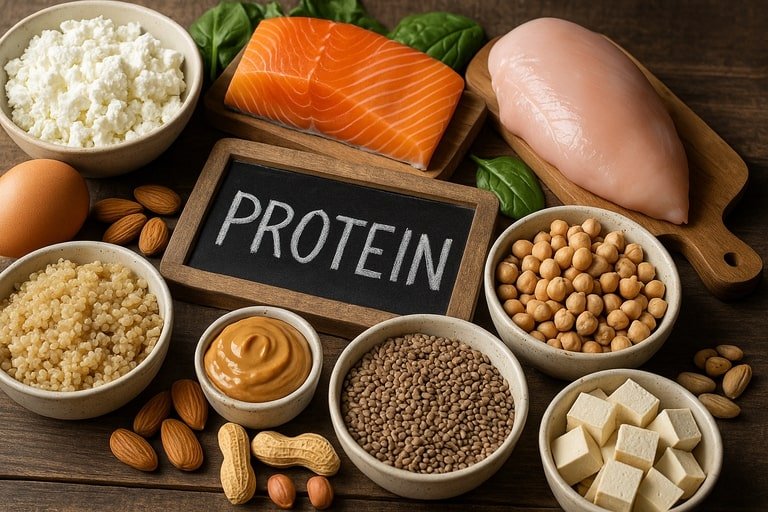
Nutrition forms the foundation of every successful plan. Lean proteins, vegetables, fruits, and whole grains create meals that provide vitamins, minerals, and fiber without excess calories. Protein is especially important because it supports muscle preservation and increases satiety. Pairing it with fiber slows digestion and stabilizes blood sugar, reducing cravings. When learning how to lose weight, building meals around these core elements ensures a balanced approach that fuels the body while promoting fat loss.
Exercise accelerates results by increasing calorie expenditure and improving overall fitness. Cardiovascular activities like walking, cycling, or swimming burn calories directly, while strength training builds muscle that raises resting metabolism. High-intensity interval training (HIIT) combines both benefits in shorter sessions, making it ideal for busy schedules. For anyone serious about how to lose weight, combining aerobic exercise with resistance training provides a powerful synergy that supports fat reduction and body composition improvements.
Hydration is often overlooked yet crucial for success. Water supports digestion, helps regulate appetite, and enhances metabolism. Sometimes thirst is mistaken for hunger, leading to unnecessary snacking. Replacing sugary beverages with water or unsweetened tea cuts hidden calories easily. Drinking before meals can also naturally reduce portion sizes. Among the simplest strategies for how to lose weight, staying hydrated stands out for its effectiveness and accessibility.
Sleep and stress management are equally important. Inadequate rest disrupts hormones that control appetite, increasing hunger and cravings. Chronic stress raises cortisol levels, which can promote fat storage, especially around the abdomen. Establishing regular sleep schedules, practicing relaxation techniques, and prioritizing recovery all contribute to weight loss success. A holistic approach to how to lose weight acknowledges that lifestyle factors outside the kitchen and gym are just as influential as diet and exercise.
Cutting back on processed foods is one of the most powerful steps. Highly refined snacks, sugary drinks, and fast food deliver high calories with little nutritional value. In contrast, whole foods like vegetables, lean meats, nuts, and legumes provide nutrients that support metabolism and overall health. Cooking at home helps control ingredients and portion sizes. Anyone exploring how to lose weight quickly discovers that simply reducing processed food intake can lead to noticeable progress.
Intermittent fasting has gained popularity as an effective tool for weight control. By limiting eating windows, such as the 16:8 method, people naturally reduce calorie intake while giving their digestive system time to rest. While not suitable for everyone, it demonstrates how structured eating patterns can help. When applied mindfully, intermittent fasting can be an effective strategy within the broader context of how to lose weight, particularly when combined with balanced meals.
Accountability boosts consistency. Tracking progress through journals, photos, or fitness apps keeps motivation high and highlights trends. Support from friends, family, or online communities creates encouragement and shared responsibility. Having someone to celebrate victories with or to stay on track during difficult times makes the journey smoother. Knowing how to lose weight becomes easier when it is not a solitary effort but part of a supportive network.
Safety should always come first. Extreme diets, starvation, and untested supplements may lead to quick results but often cause fatigue, nutrient deficiencies, and rebound weight gain. Sustainable strategies emphasize gradual, steady progress. Health professionals recommend losing one to two pounds per week as a safe rate. The best guidance on how to lose weight is to adopt habits that can be maintained long-term rather than relying on unsustainable shortcuts.
Mindset is as important as physical strategy. Viewing weight loss as self-care rather than punishment fosters resilience. Celebrating small milestones, practicing self-compassion, and focusing on non-scale achievements like energy or endurance create a healthier relationship with the process. People who master how to lose weight often realize that consistency, patience, and mindset make the difference between temporary results and lasting change.
Ultimately, weight loss is about building a lifestyle that supports health, confidence, and vitality. Combining mindful nutrition, regular exercise, hydration, quality sleep, stress management, and emotional support creates a balanced plan for success. The real secret behind how to lose weight is that no single method works for everyone — it is the combination of strategies, tailored to individual needs, that brings results. By approaching the journey with knowledge and intention, anyone can achieve sustainable transformation.