
How to lose weight fast is a question asked by millions worldwide, yet the answer is far more complex than quick-fix solutions often promise. Sustainable and safe rapid fat loss requires an understanding of how the body functions, how metabolism adapts, and how lifestyle factors influence weight management. While shedding pounds quickly is possible, doing so without harming long-term health demands discipline, strategy, and evidence-based choices.
When exploring losing weight quickly, it is essential to distinguish between temporary results and methods that foster lasting change. Crash diets, extreme fasting, or unregulated supplements might appear effective at first glance, but they often trigger rebound weight gain, metabolic slowdown, or nutritional deficiencies. The true path to fast weight reduction involves a blend of calorie control, nutrient balance, physical activity, and lifestyle modifications that align with the body’s natural rhythms.
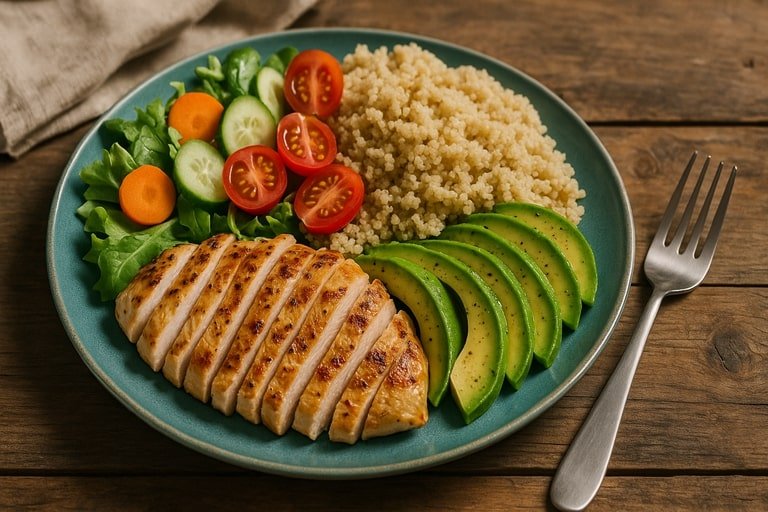
One of the most effective strategies in rapid fat loss involves creating a calorie deficit through careful food choices rather than starvation. When people drastically cut calories, the body interprets this as a survival threat, slowing metabolism and holding onto fat reserves. A smarter method involves focusing on nutrient-dense foods — lean proteins, whole grains, fresh vegetables, and healthy fats — which provide satiety while keeping calories moderate. By prioritizing quality over quantity, individuals can lose weight quickly while preserving lean muscle, which is critical for maintaining metabolism. This balance ensures that fast results do not come at the expense of long-term stability.
Intermittent fasting has gained recognition as one of the practical methods for those seeking to lose weight fast. By restricting eating windows to certain hours of the day, individuals naturally reduce caloric intake while allowing insulin levels to stabilize, promoting fat burning. Unlike extreme diets, intermittent fasting aligns with the body’s evolutionary patterns of feast and fast, making it more sustainable for many. Research suggests that this approach not only accelerates fat loss but also supports cellular repair and metabolic health, providing benefits beyond the number on the scale.
Physical activity plays an indispensable role in rapid weight loss, though the type of exercise matters greatly. High-intensity interval training (HIIT), for instance, burns significant calories in short sessions while elevating metabolism for hours afterward. Strength training preserves and builds muscle, preventing the slowdown in energy expenditure that often accompanies weight loss. Cardio exercises such as running, swimming, or cycling enhance cardiovascular health while increasing daily caloric burn. The synergy of these methods creates a powerful formula for losing weight quickly while strengthening the body rather than weakening it.
Hydration and sleep represent two overlooked pillars in fast weight loss methods. Drinking sufficient water supports digestion, curbs unnecessary snacking, and promotes metabolic efficiency. Meanwhile, quality sleep regulates hormones like leptin and ghrelin, which control hunger and satiety. Sleep deprivation disrupts these signals, often leading to overeating and cravings for high-calorie foods. By prioritizing hydration and rest, individuals amplify the effectiveness of dietary and exercise strategies, ensuring that weight loss occurs without unnecessary obstacles.
Another crucial aspect of safe rapid fat loss is psychological resilience. Many people underestimate how mental health influences physical results. Stress triggers the release of cortisol, a hormone that encourages fat storage, particularly around the abdomen. Mindful practices such as meditation, yoga, and deep breathing reduce stress levels, improving hormonal balance and supporting fat loss. Building a positive mindset also helps sustain motivation, ensuring that fast results become part of a long-term lifestyle rather than a fleeting achievement.
Supplementation can assist in losing weight quickly, though it should never replace foundational strategies of nutrition and exercise. Protein powders, fiber supplements, or green tea extract may enhance satiety and metabolism, but reliance on untested pills or extreme stimulants is risky. Safe supplementation focuses on filling nutritional gaps rather than providing shortcuts. For instance, omega-3 fatty acids reduce inflammation, vitamin D supports hormonal balance, and magnesium improves sleep quality — all factors indirectly aiding rapid and sustainable fat reduction.
Medical supervision is critical when attempting to lose weight fast, especially for individuals with pre-existing conditions. Doctors and dietitians can tailor strategies to personal needs, ensuring that calorie restriction does not lead to nutrient deficiencies or health complications. Medically supervised programs may also include temporary use of prescription aids, but these should always be integrated with lifestyle changes rather than seen as solutions in themselves. Professional guidance transforms the process from trial-and-error into a structured plan grounded in evidence.
Social support provides another layer of success in achieving quick weight loss goals. Studies show that individuals who share their journey with friends, family, or support groups are more likely to adhere to healthy behaviors. Accountability partners encourage consistency, celebrate progress, and provide motivation during challenging periods. Just as ecosystems thrive through interconnectedness, human health flourishes in community. Seeking support creates an environment where fast results are more achievable and sustainable.
It is also important to emphasize that rapid weight loss must transition into maintenance to avoid rebound effects. Once initial goals are met, gradually increasing caloric intake to match a new energy balance helps stabilize results. Continuing exercise, mindful eating, and stress management ensures that progress is preserved. The ultimate success in losing weight quickly lies not in the speed alone but in the ability to sustain a healthy weight over time.
In the end, how to lose weight fast is not a mystery but a matter of integrating science, discipline, and compassion for one’s body. By combining calorie management, exercise, hydration, sleep, mental resilience, and professional guidance, individuals can achieve rapid fat loss without sacrificing health. The journey demands awareness that quick results should not undermine long-term well-being. When approached correctly, fast weight reduction becomes a stepping stone to lifelong vitality, transforming not only physical appearance but also overall quality of life.
How to Lose Weight Fast and Achieve Healthy Weight Loss
When people ask how to lose weight fast, they often imagine dramatic results within days, but true success lies in achieving healthy weight loss that balances speed with safety. The pursuit of rapid fat loss should never neglect the fundamentals of nutrition, activity, and lifestyle habits that ensure long-term results. Healthy weight loss means reducing fat while preserving lean mass, protecting metabolic function, and supporting emotional well-being. Understanding this distinction helps individuals avoid the pitfalls of fad diets while embracing strategies that genuinely transform health.
The foundation of healthy weight loss begins with food choices. Diets rich in lean proteins, vegetables, and unprocessed carbohydrates provide sustained energy while supporting fat burning. Replacing sugary drinks with water, choosing whole grains over refined ones, and emphasizing plant-based options are simple yet powerful adjustments. These strategies lower caloric intake without extreme restriction, ensuring that the body continues to receive the nutrients necessary for strength and vitality. By focusing on quality rather than deprivation, individuals achieve weight reduction that feels sustainable and energizing.
Exercise complements diet as a driver of healthy weight loss. Aerobic activities such as walking, cycling, or swimming create a consistent caloric deficit, while resistance training ensures that muscle is preserved during fat loss. Unlike crash dieting, which often sacrifices muscle, combining these methods allows the body to become leaner, stronger, and more efficient. Exercise also improves mood, reduces stress, and enhances sleep, reinforcing the lifestyle habits that make weight loss enduring. Thus, physical activity is not merely a calorie-burning tool but a holistic contributor to well-being.
Healthy weight loss also depends on balance rather than extremes. People often assume that losing weight fast requires radical sacrifices, but moderate, consistent changes prove more effective over time. Eating balanced meals, allowing occasional indulgences, and practicing portion control prevent feelings of deprivation that often sabotage progress. This balance mirrors the body’s natural rhythms, where moderation promotes stability and adaptability. Achieving rapid fat loss within this framework ensures that results are both impressive and lasting.
Another essential factor is metabolic health. Rapid fat loss without consideration of metabolism often leads to burnout or rebound. Healthy approaches, such as intermittent fasting, high-protein diets, or balanced macronutrient distribution, stimulate metabolism rather than suppress it. Supporting metabolism ensures that even after the initial weight is lost, the body remains efficient at maintaining balance. This metabolic resilience is what differentiates temporary success from long-term achievement.
Mindset is equally important in healthy weight loss. When individuals view the process as self-care rather than punishment, they engage with greater consistency and positivity. Negative approaches based on restriction, guilt, or comparison erode mental health and often lead to relapse. In contrast, framing weight loss as an opportunity for growth, empowerment, and renewed vitality fosters commitment. Developing a healthy relationship with food, exercise, and self-image becomes the cornerstone of sustainable progress.
Hormonal health further influences rapid yet safe weight loss. Hormones such as insulin, leptin, and thyroid hormones regulate appetite, energy balance, and metabolism. Poor sleep, stress, or nutrient deficiencies can disrupt these systems, making weight loss more difficult. Prioritizing rest, managing stress, and ensuring adequate intake of essential nutrients like iodine, magnesium, and omega-3s optimize hormonal function. By aligning lifestyle with hormonal balance, individuals achieve results more quickly and safely.
Accountability mechanisms play a significant role in achieving healthy weight loss. Tracking food intake, monitoring progress through journals or apps, and celebrating milestones provide structure and motivation. These tools transform abstract goals into measurable actions, reinforcing commitment. Over time, accountability fosters habits that extend beyond initial weight loss, ensuring maintenance becomes second nature.
Healthy weight loss also includes adaptability. As bodies respond to diet and exercise, adjustments may be necessary. Plateaus are common, but instead of signaling failure, they represent opportunities to refine strategies. Adjusting caloric intake, introducing new exercise routines, or experimenting with meal timing can reignite progress. This adaptability ensures that rapid results evolve into long-term mastery of weight management.
Community and professional support again prove invaluable. Whether through friends, trainers, or healthcare providers, guidance creates a safety net. Professionals ensure that strategies remain grounded in science, while communities provide encouragement during challenging times. The combination of expertise and empathy reinforces the journey, making healthy weight loss a shared experience rather than an isolating struggle.
Ultimately, how to lose weight fast while achieving healthy weight loss reflects the interplay of discipline, knowledge, and compassion. By embracing balanced nutrition, exercise, mindset, and adaptability, individuals unlock the ability to transform quickly without sacrificing health. This integrated approach ensures that rapid fat loss does not come with hidden costs but instead paves the way for enduring vitality.
How to Lose Weight Fast with Safe Weight Reduction Methods
Safe weight reduction embodies the principle that rapid results should never compromise health. While many seek to lose weight fast for events, health goals, or personal satisfaction, the process must prioritize safety above all else. Fast weight loss achieved through dangerous methods is unsustainable and potentially harmful, leading to deficiencies, muscle loss, or long-term metabolic issues. Safe approaches, however, harness the body’s natural processes, accelerating fat loss while protecting overall well-being.
The essence of safe weight reduction begins with gradual, structured caloric deficits. Instead of starving the body, individuals reduce intake by manageable margins, often between 500 and 800 calories per day. This ensures steady fat loss without overwhelming the system. When combined with nutrient-dense foods, this approach prevents fatigue, dizziness, and other risks associated with extreme restriction. The body adapts smoothly, shedding fat while maintaining energy levels and functionality.
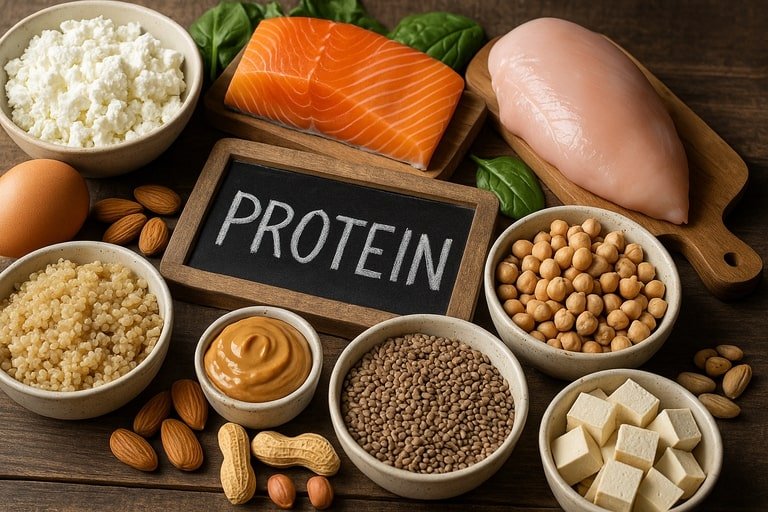
Protein intake is critical in safe yet fast weight loss. Protein not only preserves muscle but also promotes satiety, reducing the likelihood of overeating. Diets emphasizing chicken, fish, legumes, eggs, and dairy allow individuals to cut calories without constant hunger. Moreover, the thermic effect of protein means the body expends more energy digesting it, subtly increasing metabolic burn. These effects make protein a cornerstone of safe and effective rapid fat reduction.
Exercise must also be approached with safety in mind. Overexertion, especially for beginners, can lead to injuries or burnout. A balanced program that combines cardio, resistance training, and mobility work allows individuals to burn fat efficiently while strengthening joints, ligaments, and muscles. Progression is key: starting gradually and building intensity over time ensures that the body adapts without strain. Exercise then becomes a sustainable ally in fast weight reduction rather than a punishing ordeal.
Hydration and micronutrients safeguard health during rapid weight loss. Drinking water prevents dehydration, aids digestion, and supports metabolic function. Simultaneously, ensuring sufficient intake of vitamins and minerals protects against deficiencies that can derail progress. Incorporating colorful vegetables, nuts, seeds, and fruits guarantees a steady supply of antioxidants and nutrients, bolstering immune function and resilience. Such practices highlight that safe weight loss is holistic, nurturing the body rather than depleting it.
Medical supervision remains an essential pillar of safety. For individuals with conditions like diabetes, hypertension, or thyroid imbalances, personalized plans are necessary to prevent complications. Healthcare providers tailor calorie levels, exercise routines, and supplementation to each patient, ensuring that rapid results are achieved without harm. Regular check-ins and monitoring allow for timely adjustments, safeguarding health throughout the journey.
Psychological safety must not be overlooked. Extreme diets often foster unhealthy relationships with food, creating cycles of guilt, restriction, and relapse. Safe weight reduction encourages mindfulness, balance, and self-compassion. By reframing the process as self-improvement rather than punishment, individuals sustain motivation without falling into destructive patterns. Emotional resilience becomes as important as physical strategies in achieving and maintaining results.
Adaptability again underscores safety. No single method works universally, and listening to the body’s feedback is crucial. Adjusting exercise intensity, meal composition, or fasting schedules ensures that strategies remain effective without causing harm. Flexibility transforms rapid weight loss from a rigid plan into a dynamic lifestyle adaptation.
Community and social environments influence safety as well. Supportive networks encourage sustainable practices, while toxic pressures often push individuals toward extremes. Surrounding oneself with positive influences, whether friends, groups, or mentors, reinforces safe approaches. These environments create accountability and motivation while discouraging harmful shortcuts.
In summary, how to lose weight fast with safe methods means respecting the body’s limits while accelerating results through intelligent strategies. Structured caloric deficits, protein emphasis, balanced exercise, hydration, and professional guidance form the foundation. Psychological resilience, adaptability, and supportive environments ensure sustainability. Safe weight reduction transforms rapid fat loss into a health-enhancing process, proving that speed and safety can coexist when guided by knowledge and care.
The desire to shed pounds quickly is common, especially when facing upcoming events, health concerns, or personal goals. But the concept of how to lose weight fast often comes with confusion, conflicting advice, and risky shortcuts. True success lies in balancing efficiency with safety, adopting strategies that deliver visible results without harming long-term health. By exploring proven approaches and separating myths from science, individuals can understand how rapid progress is possible while keeping the body nourished and energized.
One of the most important foundations of quick weight loss is creating a calorie deficit. This means burning more calories than consumed, forcing the body to use stored fat for energy. Tracking intake through apps or journals helps raise awareness of portion sizes and hidden calories. However, drastic starvation is not the answer. Instead, choosing nutrient-dense foods that keep hunger under control ensures progress without weakness or fatigue. Learning how to lose weight fast requires precision, not deprivation.
Protein plays a crucial role in accelerating fat loss. High-protein diets boost metabolism, reduce cravings, and preserve lean muscle during weight reduction. Incorporating eggs, fish, poultry, beans, and Greek yogurt into meals keeps satiety high while lowering the likelihood of overeating. Another key factor in how to lose weight fast is pairing protein with fiber-rich vegetables, which slow digestion and stabilize blood sugar, preventing energy crashes that often lead to snacking.
Exercise remains essential for speeding up results. Cardiovascular activities like running, cycling, or swimming burn calories immediately, while strength training builds muscle that increases resting metabolism. High-intensity interval training (HIIT) has become especially popular because it delivers maximum calorie burn in short sessions. For anyone exploring how to lose weight fast, combining cardio and resistance training provides a powerful, balanced approach that accelerates fat loss while sculpting a leaner physique.
Hydration is often overlooked but critical. Water not only supports metabolism but also reduces hunger signals often mistaken for food cravings. Drinking a glass before meals can lower calorie intake naturally. Cutting out sugary drinks and alcohol eliminates hidden sources of excess calories. Among the most practical strategies for how to lose weight fast, staying hydrated stands out as simple yet highly effective, supporting both digestion and overall energy.
Sleep and stress management directly influence fat loss speed. Lack of rest disrupts hormones like ghrelin and leptin, which regulate hunger and satiety. Chronic stress raises cortisol levels, leading to cravings and fat storage around the abdomen. Creating routines that prioritize quality sleep, relaxation techniques, and mindfulness practices is crucial. These lifestyle adjustments often accelerate results more than extreme diets. Understanding how to lose weight fast requires recognizing that rest and recovery are as vital as diet and exercise.
Eliminating processed foods is another strategy that yields rapid benefits. Packaged snacks, refined sugars, and fried foods pack high calories with little nutrition, slowing fat loss and encouraging overeating. Replacing them with whole foods such as vegetables, lean proteins, fruits, nuts, and whole grains creates meals that are naturally lower in calories but rich in vitamins and minerals. Those aiming to discover how to lose weight fast often find that simply cleaning up their diet delivers immediate improvements in energy and appearance.
Intermittent fasting has emerged as a popular method for quick weight loss. By limiting eating to specific windows, such as 16:8 (16 hours fasting, 8 hours eating), the body taps into fat stores more efficiently. This approach also reduces late-night snacking and helps control portion sizes. While not suitable for everyone, it demonstrates how structured eating patterns can enhance results. For individuals exploring how to lose weight fast, intermittent fasting can be a tool worth considering under professional guidance.
Accountability and support systems improve success rates. Joining a group, partnering with a friend, or working with a nutrition coach provides motivation and structure. Tracking progress with photos, journals, or apps reinforces commitment and helps identify patterns that may hinder results. The journey of how to lose weight fast is more effective when shared, as encouragement and shared experiences keep individuals consistent through challenges.
Safety should always remain the top priority. Crash diets, extreme cleanses, and untested supplements may promise rapid results but often lead to nutrient deficiencies, fatigue, and rebound weight gain. A healthier approach balances speed with sustainability, ensuring the body receives essential nutrients while still shedding pounds. The best answers to how to lose weight fast are those rooted in science and supported by long-term strategies rather than quick fixes.
Psychology plays a key role in maintaining progress. Shifting the mindset from punishment to empowerment transforms the process into a positive journey. Celebrating small victories, focusing on non-scale achievements like energy or endurance, and practicing self-compassion make the path sustainable. Many who master how to lose weight fast realize that mental resilience and consistency matter as much as physical effort. The journey is about building habits that last.
Ultimately, rapid weight loss is achievable when approached with balance, knowledge, and care. Combining mindful eating, structured exercise, hydration, rest, and psychological support delivers results that are both visible and lasting. The true secret behind how to lose weight fast is that there is no single shortcut — it is a combination of strategies that, when practiced consistently, bring transformation. By respecting both body and mind, individuals can achieve their goals quickly while laying the foundation for lifelong health.