Foods high in protein play a crucial role in maintaining energy, supporting muscle repair, balancing hormones, and sustaining long-term health. Protein is a macronutrient made up of amino acids, which serve as the building blocks of tissues, enzymes, and hormones. Unlike carbohydrates and fats that can be stored in the body for future use, proteins must be consumed consistently to meet daily needs. This makes choosing high protein foods essential for maintaining vitality, preventing deficiencies, and optimizing performance in both physical and mental tasks. A protein rich diet benefits people across all life stages, from children requiring nutrients for growth to older adults preserving muscle mass and bone strength.
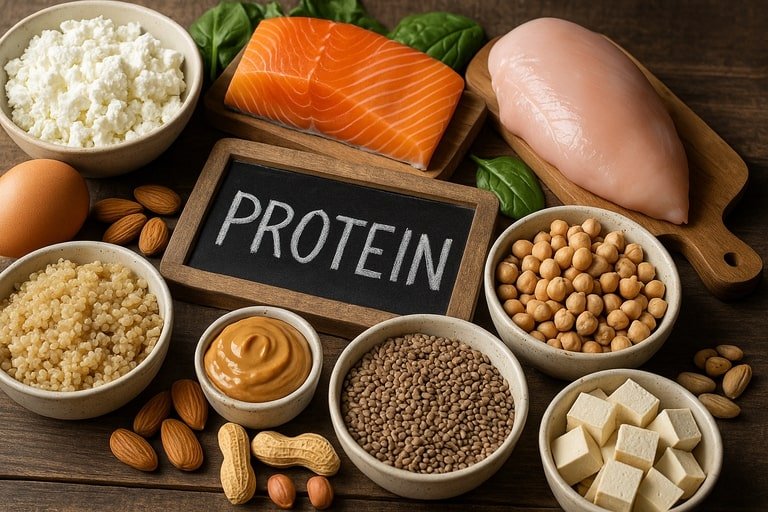
One of the most notable benefits of foods high in protein is their effect on muscle health. Muscles are constantly undergoing cycles of breakdown and repair, and adequate protein ensures that recovery leads to growth and strength. Athletes and fitness enthusiasts especially depend on high protein foods to fuel training, enhance recovery, and reduce injury risk. However, even non-athletes benefit from protein-rich diets, as maintaining lean mass supports metabolism and prevents frailty with age. Lean meats, fish, eggs, dairy, legumes, and nuts all provide powerful sources of protein, demonstrating the diversity of options available for different dietary preferences.
Protein is also central to weight management. Foods high in protein increase satiety, meaning they keep individuals feeling full longer compared to carbohydrate-heavy meals. This reduces cravings and helps control overall caloric intake, making high protein diets effective for weight loss and maintenance. Moreover, the thermic effect of protein — the energy required to digest and metabolize it — is higher than that of fats or carbohydrates, subtly boosting metabolism. When incorporated thoughtfully, protein rich diets provide a strategic advantage for anyone aiming to lose fat without sacrificing muscle.
Animal-based foods remain some of the most concentrated sources of protein. Chicken, turkey, lean beef, and fish provide complete proteins containing all essential amino acids. Salmon, tuna, and sardines, in particular, deliver protein alongside omega-3 fatty acids, which enhance heart health and reduce inflammation. Eggs are another versatile protein source, offering not only high-quality protein but also vital nutrients like choline for brain function. Dairy products such as Greek yogurt, cottage cheese, and milk combine protein with calcium, reinforcing bone health. These foods highlight how animal proteins contribute both quality and nutrient density.
Plant-based foods high in protein demonstrate that effective nutrition is not limited to animal products. Lentils, chickpeas, beans, and peas provide rich sources of protein alongside fiber, iron, and antioxidants. Soy-based foods like tofu, tempeh, and edamame stand out for offering complete proteins suitable for vegetarian or vegan diets. Quinoa, buckwheat, and amaranth also provide plant-based complete proteins, broadening options for those seeking variety. Nuts, seeds, and nut butters contribute protein as well as healthy fats, creating nutrient-dense snacks that complement larger meals. These plant-based choices reinforce that protein rich diets can adapt to any lifestyle.
Foods high in protein also support hormonal balance. Proteins regulate hormones like insulin and glucagon, which influence metabolism, as well as ghrelin and leptin, which control hunger and satiety. Adequate protein intake stabilizes blood sugar levels, preventing energy crashes and mood swings associated with high-sugar diets. In women, protein supports reproductive health and skin integrity, while in men it contributes to testosterone balance and muscle maintenance. Thus, protein is not only about building strength but also about regulating systems that affect daily well-being.
Protein plays an important role in immune function as well. Antibodies are proteins that defend the body against infections, while enzymes and transport proteins carry out critical processes for recovery and repair. Without sufficient protein, immune systems weaken, leading to increased vulnerability to illness and slower healing. High protein foods such as lean meats, legumes, seeds, and dairy ensure that the immune system remains resilient, ready to combat infections and maintain health throughout the year.
Digestive health also benefits indirectly from a protein rich diet. While excessive protein without balance can burden kidneys or digestion, moderate consumption of diverse protein sources combined with fiber supports gastrointestinal health. For example, beans and lentils provide both protein and fiber, promoting healthy gut bacteria and regularity. This synergy between protein and fiber demonstrates how whole foods contribute to both macronutrient and digestive health, highlighting the importance of balance in nutrition.
Foods high in protein also provide essential micronutrients often overlooked. Iron from red meat and legumes, zinc from shellfish and seeds, and calcium from dairy all play roles in overall health. These micronutrients complement protein’s functions, ensuring that the body operates with efficiency and resilience. Choosing diverse protein sources ensures that individuals do not only meet macronutrient requirements but also strengthen their micronutrient intake, building comprehensive wellness.
Hydration and timing enhance the effectiveness of high protein diets. Consuming protein evenly throughout the day — at breakfast, lunch, dinner, and snacks — maximizes absorption and utilization. Combining protein with adequate water intake supports metabolism and kidney function, ensuring that protein is processed effectively. Spacing intake across meals rather than concentrating it at one time aligns with the body’s natural repair cycles, particularly for muscle health and recovery.
Ultimately, foods high in protein provide more than muscle support; they represent a foundation for energy, satiety, immune strength, and resilience. By choosing balanced sources across animal and plant categories, individuals create diets that nourish comprehensively while supporting long-term health goals. High protein diets are not trends but essential nutritional frameworks that adapt to varied lifestyles, preferences, and health conditions. By prioritizing protein, individuals cultivate strength, vitality, and endurance that extend far beyond the dining table.
Foods High in Protein and Building a Protein Rich Diet
Foods high in protein form the backbone of a protein rich diet designed to support long-term energy, strength, and balance. Building such a diet requires more than simply eating meat or protein powders; it demands thoughtful integration of diverse sources that provide complete amino acid profiles, essential vitamins, and minerals. A well-planned protein rich diet supports not only physical performance but also cognitive health, hormonal balance, and metabolic efficiency. By crafting meals that emphasize high protein foods, individuals can transform everyday nutrition into a tool for resilience and well-being.
The first principle of a protein rich diet is diversity. Relying on one type of protein risks nutrient imbalances and monotony. Instead, combining plant and animal proteins ensures that the body receives all essential amino acids alongside complementary nutrients. For instance, pairing legumes with whole grains creates a complete protein, while adding nuts or seeds enhances the nutrient profile further. This strategy mirrors nature’s variety, ensuring that meals are not only nutritious but also enjoyable and sustainable.
Breakfast provides an opportunity to incorporate foods high in protein early in the day. Options such as eggs, Greek yogurt, cottage cheese, or plant-based smoothies with protein powder establish satiety and steady energy. Beginning the day with protein supports blood sugar regulation, preventing mid-morning crashes. When paired with fiber-rich fruits or whole grains, these meals deliver both immediate fuel and lasting fullness, proving that protein rich diets are compatible with convenience.
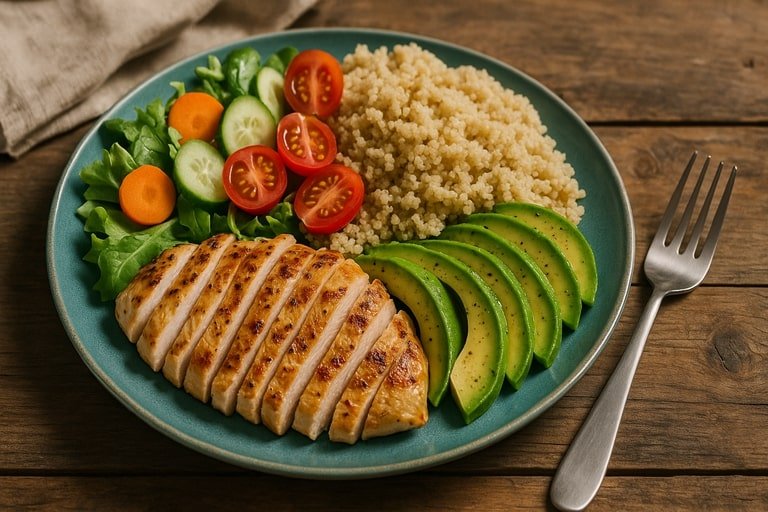
Lunch and dinner expand opportunities for protein integration. Lean meats, fish, tofu, and legumes anchor meals, complemented by vegetables, healthy fats, and complex carbohydrates. For example, grilled salmon with quinoa and roasted vegetables provides a balanced combination of protein, fiber, and antioxidants. Similarly, a chickpea curry with brown rice delivers plant-based protein alongside vitamins and minerals. By viewing protein as the centerpiece of meals, individuals create nutrient-dense plates that sustain energy and promote satiety.
Snacking also benefits from high protein choices. Instead of processed snacks that spike blood sugar, options like nuts, hummus, boiled eggs, or protein bars extend satiety and stabilize energy levels. Snacks demonstrate how a protein rich diet extends beyond main meals into small decisions that collectively shape overall nutrition. Consistency in protein intake throughout the day supports muscle maintenance, metabolism, and appetite control.
Sports and performance nutrition highlight the role of protein timing. Consuming protein shortly after exercise accelerates muscle repair and growth, ensuring that physical effort translates into strength. Whey protein, soy protein, or whole food sources like eggs and tuna are popular post-workout choices. This strategic intake demonstrates how a protein rich diet supports specific goals, from building muscle to enhancing endurance.
Hydration again complements protein intake. As protein metabolism generates nitrogen waste, adequate water supports kidney function and overall processing. This interplay emphasizes that protein should never be considered in isolation but as part of a balanced system involving hydration, fiber, and micronutrients. Integrating these elements prevents strain and ensures optimal results.
Psychological and social aspects also shape adherence to protein rich diets. Enjoyment, variety, and cultural relevance increase consistency, while restrictive or monotonous diets often fail. Including traditional dishes adapted with high protein ingredients enhances cultural continuity while promoting health. For example, lentil stews, fish curries, or bean-based salads reflect local traditions while aligning with modern nutrition goals. This cultural adaptability reinforces the universality of high protein diets.
Scientific research continues to highlight the benefits of protein rich diets for weight management, aging, and chronic disease prevention. Higher protein intake supports lean mass in older adults, reducing the risk of sarcopenia. It also stabilizes blood sugar in individuals with diabetes and reduces cardiovascular risks by promoting satiety and reducing overeating. These findings validate the central role of protein in preventive health care, proving that foods high in protein are not trends but necessities.
Meal planning ensures long-term success with protein rich diets. Preparing protein-rich options in advance, such as grilled chicken, legumes, or protein-packed salads, reduces reliance on unhealthy choices. This structure transforms healthy eating from a challenge into a habit, creating consistency that sustains results. Over time, these routines build resilience, reinforcing the role of protein as a foundation of health.
Ultimately, foods high in protein create opportunities to design diets that are both nourishing and enjoyable. A protein rich diet supports muscles, metabolism, hormones, and overall vitality, aligning with health goals across age groups and lifestyles. By diversifying sources, timing intake, and integrating cultural preferences, individuals create lasting nutrition systems that empower health. High protein diets then become more than dietary choices; they evolve into sustainable lifestyles that anchor long-term well-being.
Foods High in Protein and Their Role in Protein for Muscle Health
Foods high in protein are particularly critical for muscle health, ensuring that strength, recovery, and endurance remain optimal throughout life. Muscle tissue is dynamic, constantly breaking down and rebuilding, and protein provides the amino acids required for this regeneration. Without sufficient protein, muscles weaken, recovery slows, and performance declines. Conversely, with adequate intake, the body grows stronger, more resilient, and capable of sustaining activity. Understanding protein’s role in muscle health underscores why it is a cornerstone of both athletic performance and everyday vitality.
Post-exercise recovery highlights protein’s importance. Intense activity creates microtears in muscle fibers, which are repaired and strengthened through protein synthesis. Foods high in protein, particularly those rich in essential amino acids like leucine, trigger this synthesis effectively. Consuming protein within an hour after activity optimizes repair, transforming effort into growth. This principle applies not only to athletes but also to individuals engaging in daily activities that challenge muscles.
Protein supports endurance as well as strength. Long-duration exercise such as running or cycling requires sustained muscle function, which depends on adequate protein for repair and maintenance. Even in endurance sports, where carbohydrates dominate energy supply, protein remains essential for preventing muscle breakdown. High protein foods before and after training ensure that endurance performance is supported without compromising recovery.
Aging emphasizes the importance of protein for muscle health. Sarcopenia, the natural loss of muscle with age, reduces strength, mobility, and independence. Studies show that higher protein intake slows this process, preserving lean mass and functionality. Protein-rich meals distributed evenly across the day prove particularly effective for older adults, highlighting the role of diet in maintaining quality of life.
Plant and animal proteins both contribute to muscle health when balanced appropriately. Animal sources provide complete proteins with all essential amino acids, while plant-based sources can be combined to achieve similar results. For example, rice and beans together provide a full amino acid profile, supporting muscle repair and growth. This flexibility ensures that individuals following diverse dietary philosophies can achieve optimal muscle health through thoughtful planning.
Protein timing remains critical. Consuming protein evenly across meals maximizes muscle protein synthesis, preventing the common pitfall of concentrating intake at dinner. Breakfasts with eggs or yogurt, lunches with legumes or fish, and dinners with lean meats or tofu provide steady support throughout the day. This approach ensures that muscles continuously receive the nutrients they need, enhancing repair and reducing fatigue.
Micronutrients in protein-rich foods also reinforce muscle health. Iron in red meat and legumes supports oxygen delivery to muscles, zinc contributes to repair processes, and calcium from dairy strengthens bones that support muscular function. These synergies highlight how protein foods provide more than amino acids, offering a complete package of nutrients essential for muscular resilience.
Hydration again integrates with protein for muscle health. Protein metabolism requires water, and dehydration reduces performance and recovery. Combining protein intake with hydration strategies ensures that muscles remain nourished and functional. Sports nutrition underscores this synergy, recommending balanced intake of protein, fluids, and electrolytes for peak performance.
Psychological benefits arise as well. Maintaining muscle health through protein fosters confidence, mobility, and independence, reducing the risk of injury and disability. This empowerment reflects how diet directly influences quality of life, reinforcing the central role of high protein foods in human well-being.
Scientific research confirms protein’s effectiveness in enhancing muscle health. Clinical studies consistently show that diets higher in protein improve strength, endurance, and recovery across populations. These findings validate long-standing observations from athletes and health practitioners, providing evidence that protein is indispensable for muscular function.
Ultimately, foods high in protein serve as the foundation of muscle health, recovery, and performance. By combining diverse sources, timing intake strategically, and supporting balance with hydration and micronutrients, individuals sustain muscular strength and resilience. Whether for athletes, older adults, or everyday individuals, protein ensures vitality, independence, and energy. It is not merely a nutrient but the architecture of strength, underscoring its indispensable role in human health.
Protein is one of the most essential nutrients for human health, serving as the foundation for muscles, enzymes, hormones, and countless cellular functions. Unlike carbohydrates and fats, which can be stored for later use, protein must be consumed regularly to maintain the body’s balance. This is why understanding and identifying foods high in protein is crucial for anyone seeking to improve fitness, support weight management, or maintain overall well-being. By choosing the right sources, individuals can fuel their bodies with the building blocks needed for strength and vitality.
One of the most recognized categories of foods high in protein is lean meat. Chicken breast, turkey, and lean cuts of beef or pork provide complete proteins with all the essential amino acids required for muscle repair and growth. These options are especially popular among athletes and fitness enthusiasts because they deliver a high protein-to-calorie ratio. By incorporating lean meats into balanced meals, individuals ensure they are meeting daily protein requirements without excessive fat intake.
Fish and seafood also rank highly among protein-rich choices. Salmon, tuna, cod, and shrimp not only provide ample protein but also supply heart-healthy omega-3 fatty acids. These nutrients reduce inflammation, support cardiovascular health, and improve brain function. For people seeking foods high in protein that also promote overall wellness, seafood represents an excellent option. Incorporating fish into the diet two to three times per week is recommended for optimal health benefits.
Eggs are another versatile and affordable source. Each egg contains about six grams of high-quality protein, making them ideal for breakfast or as a snack. The yolk, often mistakenly avoided, provides vitamins, minerals, and healthy fats, complementing the protein in the egg white. Because they are so nutrient-dense and easy to prepare, eggs consistently rank among the most valuable foods high in protein. Their adaptability in countless recipes makes them a staple worldwide.
Dairy products offer protein along with calcium and other key nutrients. Greek yogurt, cottage cheese, and milk are particularly protein-rich choices. Greek yogurt, in particular, has nearly double the protein content of regular yogurt and pairs well with fruits, nuts, or honey for a balanced snack. For individuals looking for convenient foods high in protein, dairy offers both variety and versatility. Low-fat or lactose-free options make them accessible to different dietary needs.
Legumes deserve special recognition, especially for vegetarians and vegans. Lentils, chickpeas, black beans, and kidney beans are packed with plant-based protein and fiber. While they may not always contain all essential amino acids individually, combining them with grains like rice or quinoa creates complete proteins. For those who avoid animal products, legumes are invaluable foods high in protein, supporting both health and sustainability. Their affordability also makes them a practical option for households worldwide.
Nuts and seeds provide protein alongside healthy fats and micronutrients. Almonds, peanuts, chia seeds, and hemp seeds are excellent examples. Though more calorie-dense, they deliver long-lasting energy and satiety, making them ideal as snacks or meal add-ins. Seeds like chia and hemp are particularly popular in smoothies or yogurts, offering a plant-based boost. As part of the spectrum of foods high in protein, nuts and seeds demonstrate that small portions can deliver powerful nutrition.
Whole grains contribute more protein than many people realize. Quinoa, oats, bulgur, and barley all supply significant amounts, along with fiber and minerals. Quinoa, in particular, is unique among plant foods for being a complete protein, containing all nine essential amino acids. Including whole grains regularly ensures that the diet has not only energy-providing carbohydrates but also steady contributions of protein. These foods high in protein are perfect for balanced meals that sustain energy throughout the day.
Soy-based products like tofu, tempeh, and edamame are vital in many plant-forward diets. They provide complete protein, making them comparable to animal sources in nutritional value. Tofu’s versatility allows it to absorb flavors in countless recipes, while tempeh offers a nutty taste and dense texture. Edamame, young soybeans, is an easy snack or side dish. For anyone seeking plant-based foods high in protein, soy products are indispensable and globally accessible.
Protein powders and fortified foods are popular modern solutions. While whole foods are always preferable, powders derived from whey, casein, pea, or rice can help fill nutritional gaps. Athletes often rely on them for post-workout recovery, while busy professionals may use them for convenience. These supplements are not substitutes for whole foods high in protein, but they offer flexibility and efficiency in meeting dietary goals. Used wisely, they complement a balanced diet.
Balancing protein intake across meals is important for maximum effectiveness. Consuming small amounts throughout the day helps the body maintain energy, repair tissues, and manage appetite. Whether from animal or plant sources, foods high in protein support satiety, making it easier to avoid overeating and stabilize blood sugar. This balance contributes not only to muscle maintenance but also to weight management and long-term health.
Ultimately, protein is indispensable for life itself. Choosing foods high in protein ensures that the body functions optimally, repairs itself effectively, and maintains resilience against stress and aging. From lean meats and seafood to legumes, nuts, grains, and soy, the variety of protein sources allows every individual to meet their needs, regardless of dietary preference. By prioritizing protein-rich foods, people can build stronger bodies, support healthier lifestyles, and enjoy vitality at every stage of life.