Falafel recipe represents one of the most iconic plant-based dishes, celebrated across the Middle East and beyond for its crispy exterior, tender interior, and fragrant blend of spices and herbs. Traditionally prepared from ground chickpeas or fava beans, it offers both nourishment and satisfaction, proving that food made from legumes can be as hearty and indulgent as any meat-based dish. More than just sustenance, this preparation reflects culture, community, and continuity, serving as both a street food staple and a restaurant centerpiece. Its universal appeal lies in the perfect balance of crispness, flavor, and versatility, ensuring that falafel holds a place in both heritage and modern kitchens.
The foundation of any falafel recipe lies in legumes. Chickpeas are the most common choice, soaked overnight to soften before blending with herbs and spices. This step is crucial for texture, ensuring the mixture binds well without becoming mushy. Fava beans, still used in many traditions, contribute an earthier note, while combinations of chickpeas and beans provide balance. These legumes deliver protein, fiber, and essential nutrients, grounding the dish in both substance and wellness. The base determines the tone, influencing flavor and texture while reflecting regional identity.
Herbs and spices are what define falafel’s character. Parsley, cilantro, and sometimes dill contribute freshness, while garlic and onion add sharpness and depth. Ground spices such as cumin, coriander, and cardamom create warmth and complexity, evoking its Middle Eastern roots. Small additions like baking powder or flour may be included for lightness and binding. This alchemy elevates simple legumes into patties that are aromatic, vibrant, and distinct, reminding us how a careful combination of seasonings transforms everyday ingredients into cuisine.
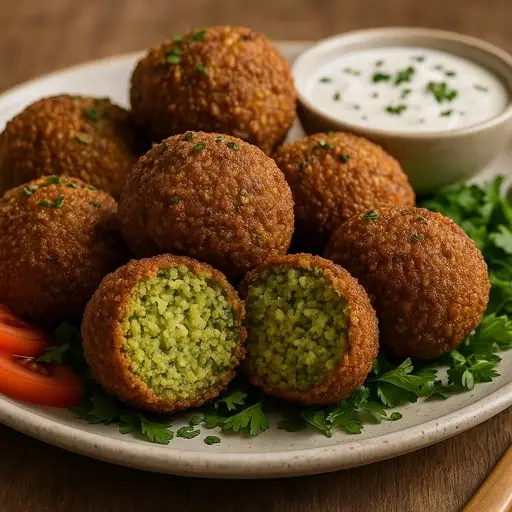
Texture is central to the success of falafel. The mixture should remain coarse enough to provide structure yet cohesive enough to bind. Deep frying achieves the iconic contrast of a crisp, golden shell and soft interior, though modern approaches like baking or air-frying offer lighter versions. The sound of sizzling oil and the sight of a golden crust forming capture the essence of its sensory appeal. This tactile quality is why the dish resonates so broadly: it satisfies flavor while indulging the human craving for crunch and contrast.
Cooking technique requires precision. Oil must be sufficiently hot to crisp the exterior without absorbing excess, ensuring the result is light rather than greasy. Shaping into balls or patties influences presentation, while tasting a small piece beforehand confirms seasoning. Though the process seems straightforward, it embodies the principle that attention to detail produces excellence. Perfecting preparation is not only about following a falafel recipe but about refining practice, proving that mastery develops through repetition and care.
Cultural context enriches this dish’s identity. Rooted in Middle Eastern and Mediterranean cuisines, it carries significance across many nations, each with its own variation. In Egypt, fava beans dominate, while Levantine versions favor chickpeas. When wrapped in pita with vegetables and tahini, it becomes both meal and symbol of heritage. As it spread worldwide, it transformed into an ambassador of plant-based eating, representing flavor, inclusivity, and tradition in one. Its cultural symbolism is as strong as its flavor.
The sensory experience extends far beyond taste. The aroma of frying chickpeas mingled with cumin, garlic, and herbs creates anticipation. The visual of golden patties paired with vibrant garnishes — tomatoes, cucumbers, pickles, and sauces — elevates its presentation. The crunch followed by a tender bite creates satisfaction at every level. These multisensory qualities ensure that the dish remains remembered not only as a meal but as an experience, one tied to feeling as much as to flavor.
Practicality is a key part of its appeal. With inexpensive ingredients, straightforward preparation, and adaptability, it is accessible to all. It can be enjoyed in wraps, salads, grain bowls, or on its own as a snack, adjusting easily to context. The ability to prepare it in large batches, freeze, and reheat makes it convenient and reliable. This practicality explains why it thrives both in bustling street stalls and in family kitchens, affirming its role as a dish of abundance and consistency.
The health benefits enhance its modern relevance. Rich in plant-based protein, fiber, and minerals, it aligns with contemporary wellness goals while still offering indulgence. Made from whole foods and herbs, it delivers both nourishment and satisfaction. Baked or air-fried alternatives reduce fat without diminishing character, proving that it can balance health and flavor seamlessly. Its inclusivity — suitable for vegan, vegetarian, and gluten-free diets — only strengthens its appeal, making it a dish for everyone.
Serving traditions complete its story. Stuffed into pita with crisp vegetables and tahini, it becomes a balanced meal. Paired with hummus, pickled vegetables, or tabbouleh, it becomes part of a traditional spread. As an appetizer served with dips, it suits modern gatherings effortlessly. Its flexibility ensures it adapts to every occasion, from a quick street snack to a festive centerpiece. However presented, it enriches the table and brings people together.
Globally, falafel continues to represent a culinary bridge. Its rise reflects migration, innovation, and the human tendency to adapt flavors across contexts. Restaurants serve gourmet versions with artisanal garnishes, while supermarkets stock ready-made options for convenience. Food bloggers and home cooks continue to experiment with the format, ensuring it evolves without losing its roots. Through these reinventions, the dish proves that tradition and modernity can coexist harmoniously.
Ultimately, falafel recipe thrives because it unites heritage, texture, and inclusivity in a single iconic dish. It demonstrates that plant-based cuisine can be indulgent, that humble ingredients can achieve greatness, and that food can bridge cultures as well as generations. To prepare it is to participate in a story of resilience, adaptation, and creativity, carried forward through legumes, herbs, and spices. In kitchens worldwide, cooks continue to refine their own falafel recipe, ensuring that this timeless dish remains as relevant and beloved as ever.
Falafel Recipes With Flavor Variations
Falafel recipes reveal the dish’s adaptability, where one foundation inspires countless interpretations while retaining identity. At their heart, they combine legumes, herbs, and spices, but small adjustments create unique outcomes. These variations highlight how falafel is both deeply traditional and endlessly modern, a canvas for creativity that remains authentic.
Bean choice influences flavor and texture. Chickpeas create nutty richness, while fava beans produce lighter, earthier results. Combining both balances flavors, offering complexity. Regional traditions reflect these differences, with Egyptian ta’ameya relying heavily on fava beans, while Levantine falafel favors chickpeas. This flexibility underscores falafel’s inclusivity, proving no single version defines authenticity.
Herbs expand freshness. Parsley provides grassy brightness, cilantro offers citrus notes, and dill contributes subtle sweetness. Blending herbs ensures vibrancy, while varying proportions shifts character. This adaptability ensures falafel recipes resonate across palates, offering freshness tailored to context.
Spice adjustments deepen character. Cumin and coriander remain staples, but paprika, turmeric, or chili powder introduce new layers. Some versions emphasize heat, others warmth or smokiness. These choices personalize falafel, demonstrating how spices shape identity. Variations affirm falafel’s connection to cultural expression, where small shifts reflect local taste.
Cooking methods influence outcome. Deep frying ensures tradition with crisp shells, while baking or air frying modernize for lighter results. Pan-frying offers compromise, achieving crispness with less oil. Each method reflects both resources and dietary priorities, proving that falafel adapts while maintaining soul.
Fillings and toppings expand repertoire. Cheese-stuffed falafel introduces richness, while sesame-coated versions add nuttiness. Serving with pickled vegetables sharpens flavor, while yogurt or tahini sauces soften spice. These additions demonstrate falafel’s role as both centerpiece and complement, reflecting creativity without eroding authenticity.
Global reinterpretations highlight universality. In Western kitchens, falafel appears in grain bowls, salads, or tacos, reflecting cultural blending. In Middle Eastern traditions, it remains street food classic. This global journey affirms falafel as both cultural ambassador and culinary canvas, thriving in diversity.
The sensory qualities remain constant. Aromas of frying or baking chickpeas, the crunch of first bite, and the vibrant contrast of herbs ensure recognition. Even as flavors shift, falafel remains unmistakable, proving its resilience as dish rooted in essence rather than rigidity.
Health-conscious adaptations strengthen relevance. Gluten-free flours replace binders, air-fried versions reduce fat, and added vegetables like spinach or carrots enhance nutrition. These adjustments prove falafel aligns with modern priorities without sacrificing soul. Its inclusivity explains its enduring resonance across diets.
Practicality supports its popularity. Falafel recipes scale easily, suiting street vendors, restaurants, or households. Their reliance on inexpensive ingredients ensures accessibility, while their ability to freeze and reheat extends utility. These qualities confirm falafel’s role as food of abundance and reliability.
Ultimately, falafel recipes thrive because they unite tradition with creativity. They prove that authenticity lies not in strictness but in essence—crispy chickpea patties seasoned with herbs and spices. To explore falafel recipes is to celebrate continuity and adaptability, ensuring that the dish remains iconic and beloved.
Falafel As A Comfort Food Dish
Psychologically, falafel recipe provides comfort and identity. The process of soaking beans, grinding herbs, and forming patties becomes a ritual of care. Frying and sharing falafel recipe affirms generosity, as it is almost always prepared in abundance. Eating it evokes heritage, memory, and belonging. For many, falafel recipe is not just food but a reminder of family tables, street vendors, and cultural pride. Its emotional weight, repeated across generations, explains why falafel recipe remains central to both tradition and adaptation.
Ultimately, falafel recipe endures because it embodies timeless values of simplicity, nourishment, and connection. It transforms everyday legumes into food that is flavorful, abundant, and meaningful. The repetition of falafel recipe across centuries, cultures, and kitchens affirms its universality. In every crisp, golden bite lies history and memory, proof that food nourishes not only the body but also the spirit. Falafel recipe is timeless not because it resists change but because it invites it, ensuring its place in kitchens and hearts around the world for generations to come.
Falafel is one of the most iconic plant-based dishes in the world, a food that has traveled across cultures while retaining its deep ties to Middle Eastern heritage. At its core, it is a fritter made from legumes, herbs, and spices, fried until golden and crisp on the outside yet soft and flavorful within. More than a dish, it has become a symbol of community, identity, and nourishment, embodying the principle that simple ingredients can create profound culinary experiences. Its global popularity today reflects both its adaptability and its timeless charm.
The origins of falafel are widely debated, with Egypt often credited as its birthplace. Historical accounts suggest that fried fava bean patties were enjoyed by Egyptians centuries ago, possibly by Christian communities during Lent as a meat substitute. Over time, the dish spread northward through the Levant, where chickpeas became the preferred base. Each region contributed its own variation, and in doing so, falafel became a shared tradition while also serving as a point of cultural pride. Its journey from ancient streets to modern restaurants illustrates the enduring appeal of foods that balance simplicity with depth.
Central to the character of falafel is its use of legumes, whether fava beans, chickpeas, or a combination of both. These provide not only structure and protein but also a neutral canvas for layers of herbs and spices. Parsley, cilantro, garlic, cumin, and coriander are common, creating a mixture that is aromatic before it even reaches the fryer. When ground to the right texture and seasoned carefully, the mixture delivers flavor that is both hearty and fresh. This balance of earthiness from legumes and brightness from herbs ensures falafel’s distinctive taste.
The preparation process requires skill and attention to detail. Beans are soaked rather than cooked, preserving texture and preventing mushiness. The mixture is pulsed rather than pureed, leaving a coarse consistency that holds together when shaped. Baking soda is sometimes added to lighten the interior. The formed patties or balls are then fried in hot oil, creating a crisp crust that contrasts beautifully with the tender interior. Though alternative methods like baking or air-frying have become popular, the traditional frying technique remains unmatched in producing the signature crunch and aroma that define falafel.
The sensory qualities of falafel explain its universal appeal. The golden-brown exterior offers satisfying crispness, while the inside is moist, fluffy, and infused with herbs and spices. The aroma of frying legumes mixed with cumin and garlic fills the air, signaling both comfort and anticipation. The flavor balances savory richness with herbal brightness, sometimes accented with chili or lemon juice for extra vibrancy. Eating falafel engages sight, smell, taste, and texture in equal measure, turning each bite into an experience that is greater than the sum of its parts.
Culturally, falafel is more than food. In the Middle East, it is tied to identity and pride, often considered a national dish in multiple countries. It thrives as street food, where vendors serve it fresh from bubbling oil, tucked into pita with pickles, salad, and tahini. In this setting, it represents accessibility and community, providing affordable nourishment to all. For immigrant communities around the world, falafel carries memory and continuity, a way of preserving heritage in new lands. At the same time, its global rise has transformed it into a mainstream symbol of vegetarian cuisine, bridging cultures through flavor.
Variations abound, reflecting both tradition and innovation. In Egypt, fava beans dominate, giving a denser, earthier profile. In the Levant, chickpeas are favored, creating a lighter texture. Some cooks add sesame seeds for nuttiness, while others experiment with fillings of cheese, vegetables, or nuts. Contemporary chefs have adapted falafel into burgers, wraps, tacos, and salads, proving its flexibility. Each variation demonstrates how the dish serves as a canvas for creativity while always remaining recognizable at its core. This adaptability is a testament to its timelessness.
Nutritionally, falafel provides a balance of protein, fiber, and micronutrients. Legumes deliver satiety and sustained energy, while herbs and spices contribute antioxidants and digestive benefits. Though frying adds richness, baking or air-frying offer lighter alternatives. Its plant-based nature makes falafel inclusive, fitting seamlessly into vegetarian and vegan diets, while gluten-free versions can be achieved by adjusting binders. In wellness culture, falafel has been embraced as both indulgence and health food, proof that satisfying meals need not compromise nutrition.
Economically, falafel reflects resourcefulness. Its ingredients are humble and affordable, stretching easily to feed many. Street vendors demonstrate this practicality daily, offering falafel as a filling meal for little cost. In homes, a single batch provides enough for families or gatherings, and leftovers reheat well, often improving as flavors deepen. This efficiency explains its widespread role across communities, reinforcing the idea that abundance does not require extravagance. Falafel’s ability to transform basic staples into food of celebration underscores its enduring relevance.
Modern food culture has embraced falafel in innovative ways. Restaurants serve gourmet versions with artisanal toppings, while supermarkets offer pre-made mixes and frozen patties for convenience. Food bloggers experiment with colorful twists, incorporating beets, sweet potatoes, or global spice blends. Social media amplifies its visual appeal, showcasing platters of vibrant falafel paired with sauces and vegetables. These innovations ensure that falafel continues to evolve, appealing to both traditionalists and trend-seekers. Its versatility keeps it alive in culinary imagination, ensuring longevity.
Psychologically, falafel carries comfort and meaning. The act of soaking beans, grinding herbs, and shaping patties is a ritual that connects cooks to tradition. Sharing falafel affirms generosity, as it is almost always prepared in abundance, meant to be eaten communally. Eating it evokes nostalgia for many, linking them to family meals, bustling markets, or cultural heritage. Even for those encountering it for the first time, falafel communicates warmth and satisfaction. Its emotional resonance is inseparable from its flavor, proving that food can nourish both body and spirit.
Ultimately, falafel endures because it embodies values that transcend cuisine: simplicity, adaptability, and connection. It is proof that humble ingredients can be elevated into something extraordinary, offering both sustenance and meaning. Its global journey illustrates how food travels with people, preserving identity while embracing innovation. In every crisp, golden bite lies history, culture, and memory. Falafel remains timeless not because it resists change but because it welcomes it, ensuring its place in kitchens, markets, and hearts for generations to come.
Falafel is one of the most enduring dishes of Middle Eastern cuisine, a food that has become a cultural ambassador across continents. At its essence, it consists of ground legumes, herbs, and spices shaped into patties or balls and fried until crisp on the outside and soft on the inside. Beyond the taste, it symbolizes resourcefulness, community, and heritage, making it more than just sustenance. The dish’s journey from humble street food to global culinary icon illustrates how tradition adapts and thrives in new contexts.
The origins of this beloved dish are layered in history and debate. Some accounts trace it back to Egypt, where fava beans were fried in similar preparations centuries ago, possibly as a substitute for meat during fasting. As it spread across the Levant, chickpeas became the primary base, giving the dish its now-classic profile. Each region added its own interpretation, creating subtle differences while preserving the essence of crispy, herb-laden fritters. This evolution shows how migration and cultural exchange shape culinary traditions that feel both ancient and current.
The core ingredient — legumes — gives falafel its structure, flavor, and nutrition. Chickpeas and fava beans dominate, though blends of the two appear in many recipes. The legumes are soaked rather than cooked before grinding, ensuring the mixture binds and maintains texture. Onions, garlic, and fresh herbs like parsley and cilantro enhance aroma and color. Spices such as cumin and coriander provide earthiness and warmth, creating the signature taste. Together, these elements form the foundation of a dish that is at once simple and complex.
Preparation requires skill to achieve the ideal texture and consistency. The mixture is pulsed to a coarse grind, never fully puréed, allowing it to hold shape without becoming dense. Baking soda or a pinch of flour may be added for lightness, though the best versions rely on careful balance rather than shortcuts. Shaping the mixture into uniform balls or patties is a practiced art, each piece destined to crisp in hot oil. Frying creates the golden-brown shell that contrasts with the tender, flavorful interior. Every step requires attentiveness, proving that even modest foods demand craft.
The sensory appeal of falafel is undeniable. The sight of freshly fried fritters, steaming and aromatic, draws immediate attention. The aroma of garlic, herbs, and spices signals warmth and satisfaction. Flavor shifts between earthy legumes, bright herbs, and the subtle heat of spices. Texture delivers a rare duality: crunch that yields to a moist, soft core. When served with bread, vegetables, and sauces, falafel becomes an experience of contrasts and harmony. This sensory richness explains why it has crossed borders so successfully.
Culturally, falafel carries immense weight. In the Middle East, it is tied to national identity, with multiple countries claiming it as their own. On the streets of cities from Cairo to Beirut, it has long been the food of the people — inexpensive, filling, and delicious. For immigrant communities, preparing falafel is a way of preserving heritage, offering a taste of home in unfamiliar settings. In Western contexts, it has become emblematic of plant-based eating, bridging tradition with modern dietary movements. Its cultural resonance is inseparable from its flavor.
Variations highlight its adaptability. Some versions favor fava beans, others rely solely on chickpeas. Herbs can be adjusted to local tastes, shifting from parsley-heavy to cilantro-rich blends. Spices vary in heat and intensity, giving each interpretation a distinct signature. Modern chefs have expanded falafel into wraps, burgers, tacos, and grain bowls, proving its versatility in fusion cuisine. Despite these changes, the essential balance of legumes, herbs, and spices fried into crisp morsels remains unchanged, keeping it both recognizable and endlessly reinventable.
Nutritionally, falafel is valued for its balance. Legumes provide protein and fiber, supporting satiety and digestive health. Herbs and spices bring antioxidants and micronutrients, while frying introduces indulgence. For lighter versions, baking or air-frying creates similar satisfaction with less oil. Naturally plant-based, it fits seamlessly into vegetarian and vegan diets. Gluten-free variations are simple with careful binders. This nutritional flexibility ensures falafel remains relevant, aligning with wellness culture while retaining its comforting essence.
Economically, it represents practicality and generosity. Its ingredients are inexpensive and widely available, making it a dish accessible to all. Street vendors rely on its affordability to serve communities, while households prepare it in abundance for gatherings. A single batch can produce dozens of pieces, feeding families with ease. Leftovers are equally rewarding, eaten cold, reheated, or repurposed. This resourcefulness has been central to falafel’s rise, proving that food does not need to be extravagant to feel abundant.
In modern food culture, falafel continues to thrive. Restaurants reinterpret it with gourmet garnishes, while supermarkets offer pre-made mixes for convenience. Social media showcases colorful platters, inspiring experimentation with beet or spinach variations. Fusion versions incorporate international flavors without losing the dish’s essence. The enduring presence of falafel in both casual and fine dining settings confirms that it is not merely a passing trend but a permanent fixture in global cuisine. Its adaptability ensures continued relevance.
Psychologically, falafel provides comfort and belonging. Preparing it becomes a ritual of soaking beans, grinding herbs, shaping patties, and frying until perfect. Sharing it affirms community, as it is almost always made in abundance. Eating it evokes heritage, whether recalling street vendors in a bustling city or family meals in a home kitchen. For many, it represents both memory and identity, nourishment that satisfies the heart as much as the body. Its emotional impact cannot be separated from its taste.
Ultimately, the appeal of falafel lies in its ability to embody values of tradition, resourcefulness, and connection. It proves that modest ingredients, prepared with care, can yield food that is rich in meaning and universally beloved. Its journey from regional staple to global favorite reflects not only culinary excellence but also the human need for continuity and sharing. Even today, countless cooks explore their own take on falafel recipe, ensuring that this dish continues to evolve while preserving the soul that made it timeless.
Chickpeas have been cultivated for thousands of years, and their role in global cuisines is proof of their resilience and versatility. Known also as garbanzo beans, these small legumes have nourished countless generations from the Middle East to South Asia and far beyond. Their nutty flavor and dense, creamy texture make them adaptable to savory stews, refreshing salads, and even innovative desserts. More than a staple, chickpeas symbolize the ingenuity of cooks who transform modest ingredients into dishes that carry both comfort and sophistication. Their enduring relevance is a testament to how tradition and adaptation can coexist in one humble bean.
The history of chickpeas stretches back to ancient civilizations, with archaeological evidence of their cultivation in the Mediterranean over seven thousand years ago. They were valued not only for their taste but for their durability in storage and their nutritional density. From ancient Greek and Roman diets to medieval trade routes, chickpeas traveled across continents, embedding themselves in diverse food traditions. Today they remain central in cuisines from India’s curries to Spain’s tapas, a true example of how one ingredient can link cultures and eras seamlessly.
Nutritionally, chickpeas are remarkable. They provide plant-based protein, making them a cornerstone of vegetarian and vegan diets. Their high fiber content supports digestion and satiety, while their slow-release carbohydrates deliver sustained energy. Chickpeas are also rich in iron, magnesium, and B vitamins, making them a powerful ally in maintaining overall health. Their nutritional balance explains why they appear in both ancient diets and modern wellness movements, proving that some ingredients never lose relevance no matter how trends shift.
The versatility of chickpeas is unparalleled. When simmered, they add heartiness to soups and stews; when roasted, they become a crunchy, protein-rich snack. Ground into flour, they create flatbreads, pancakes, or batters for fritters. Blended, they become the base for dips and spreads beloved across the globe. This flexibility ensures that chickpeas adapt to any context — from rustic kitchens to gourmet restaurants. Their ability to transform through technique shows why they are both traditional and endlessly innovative.
Preparation methods vary widely across cultures. In the Middle East, chickpeas are soaked, ground, and seasoned with herbs and spices before being fried into crisp fritters. In South Asia, they are simmered with spices into rich gravies, paired with rice or bread. In Mediterranean countries, chickpeas are often simmered with olive oil, garlic, and greens. Each preparation reflects cultural values and local resources, yet the essence remains: chickpeas as nourishment that feels both hearty and satisfying. Their adaptability is proof of their global embrace.
The sensory qualities of chickpeas enhance their appeal. Their mild nutty flavor allows them to absorb spices and herbs, making them ideal for richly seasoned dishes. Their creamy texture when cooked delivers comfort, while their ability to crisp when roasted adds contrast. The aroma of simmering chickpeas mingled with garlic or cumin is instantly recognizable, inviting and warm. These sensory markers ensure that chickpeas are more than just sustenance; they are a food that stirs anticipation and joy in kitchens worldwide.
Culturally, chickpeas represent both heritage and continuity. In India, they appear in everything from everyday curries to festive sweets made with chickpea flour. In the Levant, they form the base of dips served at nearly every gathering, symbolizing hospitality and abundance. In Europe, they are folded into rustic stews that reflect peasant traditions. Across these contexts, chickpeas affirm identity, bridging the past with the present. Their role in rituals, celebrations, and everyday meals shows how a single ingredient can carry immense cultural weight.
Modern food culture has embraced chickpeas in innovative ways. They now appear in gluten-free pasta, vegan baking, and even as aquafaba — the whipped liquid from canned chickpeas used as an egg substitute. This innovation highlights how chickpeas remain central to contemporary dietary needs, proving once again their timeless adaptability. Social media trends have further amplified their presence, with roasted chickpeas, chickpea-based snacks, and international dishes gaining widespread popularity. Chickpeas have become symbols of how tradition and modern health culture can align.
Economically, chickpeas reflect practicality. They are affordable, widely available, and capable of stretching to feed large households. A single bag of dried chickpeas can produce abundant meals, making them invaluable in resourceful kitchens. Street vendors and home cooks alike rely on their affordability to create filling, nourishing dishes. This practicality explains why chickpeas persist across regions with limited resources, embodying the principle of creating abundance from simplicity. They are food for everyday people that still finds a place in gourmet circles.
Psychologically, chickpeas carry comfort and reassurance. For many, the aroma of simmering chickpeas recalls family meals, bustling markets, or traditions passed down through generations. Preparing them involves patience — soaking, simmering, seasoning — a ritual that connects cooks to time and rhythm. Sharing them affirms community, as dishes made with chickpeas are almost always abundant and designed for gatherings. Their presence offers continuity in a rapidly changing world, anchoring people in memory and belonging.
Variations continue to expand the role of chickpeas in global cuisine. They appear in cold salads with fresh vegetables and herbs, in warming winter soups, in street food tucked into bread, and in gourmet reinterpretations. Each preparation, whether traditional or modern, affirms the adaptability of chickpeas. They serve as the foundation for countless meals that cross boundaries of culture, diet, and class. Their presence in so many kitchens worldwide ensures their enduring relevance.
Ultimately, chickpeas endure because they embody values that transcend geography: resilience, versatility, and nourishment. They connect history with modernity, tradition with innovation, and simplicity with abundance. In every dish they appear, they remind us that food is not just sustenance but also memory, identity, and creativity. Whether simmered in stews, roasted as snacks, or blended into dips, chickpeas affirm their place as timeless staples. Even today, countless cooks search for the perfect chickpea recipe, ensuring that these humble legumes remain celebrated and reinvented for generations to come.
Falafel is one of the most recognized foods of the Middle East, a dish that has crossed borders and entered kitchens worldwide. Made from ground legumes such as chickpeas or fava beans, combined with herbs and spices, then fried until crisp, it represents both tradition and adaptability. Its golden crust and tender interior capture the essence of street food that has become a culinary icon. More than just nourishment, falafel embodies values of community, generosity, and resourcefulness, qualities that explain its enduring popularity from Cairo to New York.
The history of this beloved food stretches back centuries, though its exact origins remain debated. Some historians trace it to Egypt, where fava bean fritters were consumed by Coptic Christians during fasting seasons, while others associate it with Levantine kitchens that embraced chickpeas as the main ingredient. Regardless of birthplace, its spread was swift, carried by traders and migrants throughout the Mediterranean and beyond. Over time, falafel became both a national symbol and a shared cultural treasure, claimed with pride in multiple countries yet loved universally.
The legumes at the heart of falafel provide both structure and nourishment. Chickpeas create a lighter, nutty flavor, while fava beans yield a denser, earthier profile. Many recipes blend the two, creating balance. Soaking the beans rather than cooking them preserves texture and prevents mushiness, ensuring the mixture fries to crisp perfection. Alongside the legumes come onions, garlic, and fresh herbs such as parsley and cilantro, all of which add color, aroma, and freshness. Spices like cumin, coriander, and chili powder complete the flavor, turning simple ingredients into a layered experience.
Preparing falafel is an art that demands attention to detail. The soaked legumes are ground with aromatics into a coarse mixture, never over-puréed, so that the patties hold together without becoming dense. Baking soda or flour may be added sparingly for lightness and binding, though tradition favors achieving the right texture through balance. Shaping the mixture into balls or patties requires practice, as uniformity ensures even cooking. Frying them in hot oil produces the signature contrast: crisp, golden exteriors yielding to moist, tender centers. This balance of textures defines falafel’s irresistible charm.
The sensory appeal of falafel extends beyond taste. Its golden-brown appearance excites the eye, while the fragrance of herbs and spices mingled with frying oil signals warmth and satisfaction. Each bite delivers a complex profile, moving from earthy legumes to bright herbs and bold spices. The crunch of the crust gives way to a fluffy interior, creating a harmony of textures that keeps people returning to it again and again. This sensory richness explains why falafel has transcended cultural boundaries and become a global favorite.
Culturally, falafel carries meaning as well as flavor. In the Middle East, it is considered a national dish in several countries, celebrated in street markets, homes, and restaurants alike. It is often enjoyed tucked into pita bread with fresh vegetables, pickles, and tahini sauce, symbolizing abundance and hospitality. For immigrants, preparing falafel became a way to stay connected to their heritage, carrying flavors of home into new lands. In Western culture, it has been embraced as a symbol of vegetarian and vegan eating, aligning traditional flavor with contemporary dietary values.
Nutritionally, falafel offers both indulgence and balance. Legumes provide protein and fiber, while herbs and spices deliver antioxidants and micronutrients. Frying adds richness, but baking or air-frying alternatives offer lighter versions. Naturally plant-based, falafel suits vegetarian and vegan diets, while gluten-free adjustments make it widely inclusive. This adaptability ensures that falafel remains relevant across diverse lifestyles, embodying the rare ability to be both traditional comfort food and a modern wellness choice.
Economically, falafel demonstrates practicality. Its ingredients — dried beans, herbs, and spices — are inexpensive and widely available, making it accessible to all. A single batch produces dozens of fritters, feeding families or crowds with ease. Street vendors rely on its affordability and popularity, serving it fresh to communities daily. In households, its preparation reinforces the principle of creating abundance from simplicity. This combination of economy and satisfaction explains its longevity and importance in food cultures across the globe.
Modern interpretations show falafel’s adaptability. Chefs reinvent it with fillings like cheese or vegetables, while fusion cuisines place it in tacos, burgers, or grain bowls. Food bloggers experiment with colorful twists, adding beets, spinach, or sweet potatoes for new flavors and aesthetics. Convenience culture has embraced pre-made mixes and frozen versions, though freshly prepared falafel remains unmatched. Social media has only increased its reach, inspiring countless home cooks to experiment. The dish proves endlessly flexible, yet always recognizable in spirit.
Psychologically, falafel offers comfort and identity. The process of soaking beans, grinding herbs, and shaping patties is both practical and meditative. Sharing it affirms generosity, as it is often made in abundance and enjoyed communally. Eating falafel evokes nostalgia for family kitchens, bustling markets, and cultural rituals. Even for those trying it for the first time, the dish communicates warmth, hospitality, and satisfaction. Its emotional impact is as significant as its culinary presence, making it a dish that nourishes both body and spirit.
Globally, falafel has become a unifying food. In cities across Europe, North America, and beyond, it appears in restaurants and street stalls, bridging cultures through flavor. Its appeal lies in its balance of familiarity and novelty: familiar as a fried snack, novel in its unique blend of legumes and spices. As plant-based diets rise in popularity, falafel continues to serve as a delicious ambassador for meatless eating. Even in new cultural contexts, it retains its roots, reminding us that tradition can thrive while embracing innovation.
Ultimately, falafel’s power lies in its ability to embody values of simplicity, adaptability, and connection. From humble beginnings, it has become a dish celebrated worldwide, both for its flavor and for the heritage it carries. It proves that food can be affordable, nourishing, and deeply meaningful at the same time. Today, countless home cooks and chefs search for guidance on how to cook falafel, ensuring that this dish remains alive, evolving, and cherished for generations to come.
Comfort food is a term that captures far more than taste; it represents memory, nostalgia, and the emotions tied to meals that soothe both body and soul. These are the dishes that people turn to when seeking reassurance, warmth, or a reminder of simpler times. While definitions vary across cultures, the unifying quality is the sense of satisfaction they provide. They are not always the healthiest or most elaborate meals, but they hold power because they connect food with feelings of security. A single serving can transport someone to childhood, to family gatherings, or to moments of quiet relief.
Historically, comfort food has been shaped by local resources and family traditions. In rural settings, it might have been hearty stews made from seasonal vegetables and inexpensive cuts of meat. In urban areas, it could mean baked goods or dishes influenced by immigrant communities. Regardless of form, these meals grew from necessity and routine, becoming ingrained in memory. What began as everyday sustenance eventually became a source of nostalgia. The evolution of comfort food illustrates how culture preserves meaning through flavors and rituals passed down through generations.
The sensory appeal of comfort food is undeniable. The sight of bubbling casseroles, the aroma of fresh bread, or the sound of sizzling pans immediately creates anticipation. The flavors tend to be familiar, balanced between richness and simplicity, with textures that evoke indulgence. Eating comfort food is less about novelty and more about recognition — the satisfaction of tasting something that feels known. This sensory familiarity explains why comfort food maintains such strong emotional resonance, even when eaten in new environments or with slight variations.
Psychologically, comfort food plays a powerful role. Research has shown that these meals can reduce stress, improve mood, and provide a sense of grounding during difficult times. Part of this effect comes from the release of dopamine triggered by palatable foods, but another part arises from emotional association. The connection between meals and memory makes comfort food an anchor to identity. Whether it is a grandmother’s soup or a childhood snack, these foods provide continuity and reassurance in a changing world.
Culturally, comfort food reflects diversity. In the United States, macaroni and cheese, mashed potatoes, and fried chicken often top the list. In Japan, rice porridge and ramen play that role. In Italy, lasagna or risotto may be the go-to choices, while in India, spiced lentil stews or flatbreads provide warmth and familiarity. Each culture defines its own comfort food, shaped by climate, history, and tradition. Yet the universal concept — food that comforts — links all these dishes together, proving the shared human need for nourishment of both body and spirit.
Modern interpretations of comfort food highlight its adaptability. Chefs elevate humble dishes with gourmet ingredients, creating upscale versions of classics. Health-conscious cooks reinterpret them with lighter techniques, preserving familiarity while aligning with wellness trends. Even plant-based movements have embraced comfort food, crafting versions of burgers, pastas, and stews that satisfy cravings without animal products. This evolution shows that comfort food is not static but evolves with social values while keeping its emotional essence intact.
Economically, comfort food demonstrates resourcefulness. Many classic dishes rely on inexpensive staples like grains, beans, and seasonal vegetables. They were originally developed to stretch resources while still feeding families abundantly. That affordability remains a core trait, explaining why comfort food endures during times of hardship. Its practicality ensures accessibility while its familiarity ensures satisfaction. In this way, comfort food bridges the gap between survival and indulgence.
The role of comfort food in gatherings underscores its communal nature. Shared meals like potlucks, holiday feasts, or family dinners often center around these dishes. They act as symbols of generosity, reinforcing bonds between people. Serving them affirms hospitality, while eating them together affirms belonging. This social aspect enhances their impact, making them not only sources of personal comfort but also collective memory. Comfort food thrives not only in solitude but in community.
In modern life, where speed and convenience dominate, comfort food provides a counterbalance. Fast food chains have adopted elements of it, offering familiar flavors in accessible forms, while home cooks continue to cherish slow, traditional preparation. The popularity of meal kits and delivery services further illustrates how comfort food adapts to contemporary lifestyles. Regardless of medium, the desire for reassurance remains constant. Technology may change the way food is delivered, but comfort food retains its essence: nourishment for the soul.
Nutritionally, comfort food is often indulgent, rich in fats, sugars, or starches, but this does not diminish its role. Rather, it highlights the balance between emotional satisfaction and physical health. Many reinterpretations lighten ingredients without sacrificing the familiar character. The popularity of these balanced versions shows that people want both wellness and nostalgia. Comfort food serves as a reminder that eating is not purely biological; it is also deeply psychological and cultural.
The symbolism of comfort food extends into media and popular culture. Films, novels, and advertisements often use it to represent intimacy, security, or family. A steaming bowl of soup or a slice of pie can instantly set the scene of homecoming or healing. This cultural representation reinforces its association with comfort, embedding it even deeper into collective consciousness. The role of comfort food in art reflects its role in life — a shorthand for reassurance and love.
Ultimately, comfort food endures because it transcends trends and diets. It represents continuity, reminding us that amidst change, some flavors remain constant. It satisfies both the stomach and the spirit, providing a sense of belonging. Even as societies evolve, the desire for these foods persists, proof that humans crave not just calories but connection. Today, people may search for international variations or modern versions, but the essence of comfort food remains unchanged: the taste of familiarity, memory, and solace.
Crispy patties are one of the most universally loved foods, bridging cultures and cuisines with their irresistible combination of texture and flavor. At their heart, they are simple: a filling mixture shaped into disks or rounds, coated, and fried until golden. What elevates them is the contrast they deliver — crunch on the outside, softness on the inside. Crispy patties are not defined by one culture or ingredient; instead, they are a versatile format, adapted by cooks across the globe. Their appeal lies in their ability to transform humble staples into food that feels indulgent.
The history of crispy patties can be traced across continents. In South Asia, spiced potato cutlets and lentil-based fritters play a central role in street food. In Europe, breaded meat patties became popular as affordable, filling meals for workers. In Latin America, variations made with beans or corn highlight local crops and traditions. Despite their differences, these regional interpretations share the same essence: turning simple mixtures into crispy delights through frying. This universality demonstrates that the concept of crispy patties belongs to no single culture but to humanity’s collective creativity.
Ingredients for crispy patties vary widely, but the principle remains the same. Vegetables, grains, legumes, or meats form the base, bound with starches, eggs, or flours. Seasonings provide identity, ranging from warm spices to fresh herbs. Coatings of breadcrumbs, flour, or semolina create the signature crust. This adaptability ensures that crispy patties can reflect local flavors and seasonal availability. They are endlessly customizable, a blank canvas for both tradition and experimentation.
Preparation is key to achieving the perfect texture. The mixture must be firm enough to hold shape but moist enough to remain tender. Shaping them uniformly ensures even cooking. Frying at the right temperature is critical — too low, and patties absorb oil; too high, and they burn before cooking through. Mastering this balance distinguishes mediocre versions from exceptional ones. Even baked or air-fried versions, while lighter, strive to capture the same crispness that defines the dish. Achieving this textural harmony is at the heart of every successful plate of crispy patties.
The sensory experience explains why crispy patties are so loved. The first bite yields an audible crunch, giving way to soft, flavorful interiors. The aroma of frying oil mingled with spices or herbs builds anticipation, while the golden-brown color signals indulgence. The combination of textures satisfies deeply, proving that food engages not only taste but also sound, sight, and touch. This multisensory appeal is universal, ensuring that crispy patties resonate across cultures and age groups.
Culturally, crispy patties reflect resourcefulness. They often emerged in contexts where leftovers or inexpensive staples were transformed into something satisfying. Potatoes, beans, or grains could be stretched into filling meals, reshaped and fried into forms that delighted both children and adults. In this way, crispy patties embody the principle of making abundance from simplicity. Their role in street food culture further reinforces their accessibility, proving that indulgence need not be exclusive to the wealthy.
Modern variations of crispy patties highlight creativity. Chefs experiment with global influences, from Asian-inspired fish cakes to Mediterranean chickpea fritters or Latin bean patties with spices. Plant-based movements have embraced them as alternatives to meat burgers, creating versions from lentils, mushrooms, or quinoa. Fusion versions combine unexpected ingredients, showcasing the adaptability of this humble format. Despite innovation, the essence remains constant: crisp exteriors, tender interiors, and satisfying flavors.
Nutritionally, crispy patties vary widely depending on preparation. Deep-fried versions are indulgent, while baked or air-fried adaptations align with wellness goals. Using legumes, vegetables, or whole grains increases fiber and micronutrients, making them not only delicious but also nourishing. Their adaptability ensures they can satisfy indulgent cravings or health-conscious choices. This dual identity explains their continued relevance, bridging indulgence with balance.
Economically, crispy patties demonstrate practicality. They rely on inexpensive staples, stretching resources while delivering satisfaction. Street vendors across the globe serve them as affordable snacks, while households prepare them to repurpose leftovers. Their affordability does not diminish their appeal; instead, it enhances it, proving that delicious food can also be accessible. This practicality ensures their survival across generations and contexts.
In gatherings, crispy patties shine as communal food. Whether served as appetizers at celebrations, snacks at street stalls, or components of main meals, they invite sharing. Their bite-sized format makes them ideal for passing around, reinforcing bonds through shared enjoyment. Serving them affirms generosity, while eating them together affirms belonging. This social role enhances their significance beyond nutrition, making them symbols of togetherness.
In modern food culture, crispy patties continue to thrive. Pre-packaged frozen versions make them accessible in busy households, while gourmet restaurants reinterpret them with exotic fillings and refined techniques. Food bloggers showcase colorful variations, inspiring home cooks to experiment. Their adaptability ensures they remain relevant in fast-paced societies while retaining their traditional charm. Social media further amplifies their appeal, with crisp textures and golden colors proving irresistible on screens.
Ultimately, crispy patties endure because they embody values of creativity, resourcefulness, and satisfaction. They demonstrate how modest ingredients can be transformed into food that delights. Their global presence proves their universality, linking cultures through flavor and texture. In every crispy bite lies history, memory, and innovation, reminding us that food is not only about sustenance but also about joy. Even as new trends emerge, crispy patties remain timeless, affirming their place in kitchens and hearts around the world.
Falafel is one of those dishes that has grown far beyond its place of origin to become a global culinary symbol. At its core, it is a fritter made from legumes, typically chickpeas or fava beans, combined with herbs and spices, then fried to golden perfection. Crisp on the outside, tender and aromatic on the inside, it offers not just flavor but also heritage. Its journey from humble street food to a celebrated international staple tells the story of migration, adaptation, and the ability of simple foods to carry profound meaning.
The roots of this dish can be traced to Egypt, where records suggest fava bean fritters were prepared centuries ago, particularly by Coptic Christians during periods of fasting. Over time, the preparation spread northward across the Levant, where chickpeas became the primary ingredient. Each region shaped the recipe with its own resources and traditions, producing variations that were still instantly recognizable as part of the same family. This adaptability has helped the dish endure, evolving with cultures while retaining its essential identity.
Legumes form the heart of the preparation, providing both nutrition and structure. Chickpeas contribute a lighter, nuttier flavor, while fava beans yield a denser, earthier bite. Some cooks use a blend, striking a balance between the two. Fresh herbs such as parsley, cilantro, and dill introduce brightness, while garlic and onions add depth. Spices like cumin, coriander, and chili powder transform the mixture into something far greater than the sum of its parts. These elements, simple on their own, become extraordinary when combined with care.
The method of preparation distinguishes great fritters from average ones. Legumes are soaked overnight, never fully cooked before grinding, ensuring a firm structure that fries beautifully. The mixture is pulsed to a coarse texture, never blended into paste, to allow air pockets that create a light interior. Small additions like baking soda may provide lift. Shaped into balls or patties, they are fried in hot oil, the high temperature forming a crisp crust while keeping the inside moist. This delicate balance of technique produces the signature texture adored worldwide.
The sensory appeal explains much of the dish’s power. The aroma of herbs and spices rising from the fryer is irresistible, announcing flavor before a bite is taken. The first crunch of the crust yields to a fluffy, fragrant interior, layering textures in a single mouthful. The taste balances earthy legumes with bright herbs and warm spices, creating depth without heaviness. Visually, the golden-brown exterior paired with vibrant garnishes like salad or pickles makes every serving an invitation to indulge.
Culturally, these fritters hold enormous significance. They are claimed as national treasures across several countries, each proud of its own variation. On the streets of Cairo, Damascus, and Beirut, they remain affordable staples, eaten by workers, families, and travelers alike. For immigrant communities, preparing them abroad became a way of keeping heritage alive, carrying the flavors of home into new lands. In Western contexts, they have become synonymous with vegetarian and vegan cuisine, embraced as delicious proof that plant-based eating can be deeply satisfying.
Nutritionally, they strike a balance between indulgence and wellness. Legumes provide protein and fiber, herbs contribute antioxidants, and spices deliver anti-inflammatory benefits. While frying adds richness, baking or air-frying creates lighter versions that retain much of the appeal. Their naturally plant-based profile makes them inclusive, fitting a wide range of diets. Gluten-free adjustments are easy, broadening accessibility further. This nutritional versatility ensures that the dish remains relevant, equally at home in traditional markets and modern wellness-focused kitchens.
Economically, fritters like these embody resourcefulness. Their ingredients — dried beans, herbs, and spices — are inexpensive and widely available. A single batch can produce dozens of pieces, feeding large families or crowds with ease. Street vendors rely on their affordability and popularity to sustain daily business, while households prepare them to stretch resources creatively. The combination of practicality and flavor explains their enduring place in food cultures, proving that indulgence need not be costly.
Modern interpretations continue to expand their role. Gourmet restaurants present refined versions with artisanal dips and garnishes, while food bloggers experiment with colorful twists using beets, spinach, or sweet potatoes. Fusion dishes incorporate them into tacos, wraps, and bowls, demonstrating adaptability. Convenience culture has introduced pre-made mixes and frozen versions, though freshly made remains the benchmark. Social media has amplified their popularity, with crisp textures and vibrant platters captivating audiences worldwide.
The psychological comfort they provide is just as important as their flavor. Preparing them is a ritual that requires patience: soaking beans, chopping herbs, shaping patties, frying with care. This process grounds the cook, linking them to generations who followed the same steps. Sharing them affirms generosity, as they are almost always prepared in abundance, designed to be eaten communally. Eating them evokes nostalgia for many, while offering new joy for those discovering them for the first time.
Across the globe, these fritters have become a unifying food. They bridge cultural gaps, enjoyed by people who may never have visited their place of origin. They symbolize the universality of taste: how something so humble can resonate across continents. Their success lies not only in flavor but in meaning, carrying history, migration, and resilience in every bite. They are proof that food is memory, identity, and connection combined.
Ultimately, falafel stands as a dish that embodies simplicity, adaptability, and tradition. It shows how legumes, herbs, and spices can be transformed into something timeless, a food that nourishes both body and spirit. Its global rise is a story of resilience and cultural pride, yet also of openness to reinvention. Even today, countless cooks and vendors continue to shape and serve these golden fritters, ensuring that falafel remains not just a dish, but a symbol of community, history, and joy for generations to come.