Crafting a crab cakes recipe that feels both traditional and innovative requires more than a list of ingredients. It demands attention to the sourcing of seafood, the science of binding agents, and the artistry of balancing flavors so that the natural sweetness of crab shines. A well-executed crab cake honors its coastal roots, delivering texture that is crisp yet delicate, while the interior remains light and almost creamy, with just enough seasoning to elevate without overpowering.
A crab cakes recipe is only as strong as the crabmeat it begins with. Fresh lump crabmeat, particularly from blue crab, remains the gold standard. The distinction lies in its ability to carry sweetness without brininess, yielding a clean taste of the sea. Many home cooks and even restaurants fail by relying on filler to mask inferior crab, yet the secret is restraint. The crab itself should dominate the profile, while breadcrumbs and binders serve only structural purposes, never as flavor intruders.
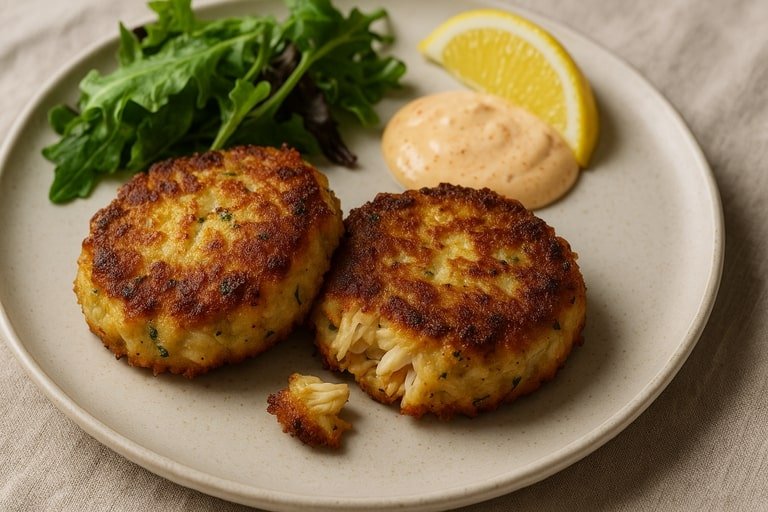
The techniques involved in shaping and cooking also carry weight. Chilling the mixture before forming patties allows for firmer cakes that will hold together during cooking. A gentle sear in butter or neutral oil ensures a golden crust while preserving a tender interior. Overhandling or pressing down while cooking risks compressing the cake, stripping it of its airy structure and robbing diners of the intended texture.
Seasoning in a crab cakes recipe walks a narrow line. Too much spice and the crab disappears, too little and the dish feels flat. Old Bay seasoning, a hallmark of coastal cuisine, provides balance through its blend of celery salt, paprika, and aromatic spices, complementing rather than overshadowing the seafood. A hint of Dijon mustard or Worcestershire sauce can add depth, while fresh herbs such as parsley introduce brightness.
The choice of binder is equally crucial. Egg provides cohesion, while a small portion of mayonnaise introduces richness and moisture. Breadcrumbs, ideally panko, lend structure without heaviness. The ratio must be carefully maintained: too much binder and the cake tastes doughy, too little and it risks falling apart in the pan. Professional chefs understand that this ratio is not fixed but depends on the moisture content of the crab and even the humidity of the kitchen.
Cooking fat imparts both texture and flavor. Butter adds indulgence and nutty undertones, yet a blend of butter and oil prevents burning and encourages even browning. High heat delivers the necessary crust, but too much intensity risks drying the crab. Timing is measured in minutes, requiring the cook’s attentive eye rather than reliance on clocks. Each cake should be turned only once, ensuring an unbroken crust.
Serving a crab cakes recipe properly elevates it from appetizer to centerpiece. A light remoulade or lemon aioli complements without overshadowing. Pairing with fresh greens, roasted corn, or even a simple citrus salad underscores the natural sweetness of the crab. Wine pairings lean toward crisp whites such as Sauvignon Blanc or a dry Riesling, both of which balance richness with acidity.
Beyond the immediate flavors, a crab cakes recipe represents heritage. From Maryland’s coastal communities to fine-dining restaurants, it tells the story of local economies built on crabbing and culinary traditions passed down through generations. Respecting this lineage means treating the crab with care, never drowning it beneath heavy breading or excessive spice.
Experimentation can expand possibilities without erasing tradition. Incorporating a whisper of jalapeño adds warmth, while swapping parsley for cilantro leans toward modern interpretations influenced by global cuisine. However, such variations should always honor the crab’s delicate character, ensuring it remains the star of the dish.
Crab cakes bridge casual and refined dining. They can appear at family gatherings or in Michelin-starred establishments, each setting expecting the same outcome: crisp edges, tender centers, and unmistakable crab flavor. This versatility explains why the crab cakes recipe endures across decades, continually inspiring new generations of cooks.
Ultimately, the true art of a crab cakes recipe lies in balance. Every decision—from crab choice to cooking fat, seasoning, and serving accompaniments—contributes to a dish that should taste both effortless and intentional. With practice and respect for the crab itself, the recipe becomes less of a formula and more of a culinary philosophy rooted in precision and restraint.
Crab Cakes Recipe Variations with Traditional Roots
While the foundation of crab cake recipes remains constant, subtle adjustments create variations that reflect geography, heritage, and chef’s intent. Some regions favor more spice, others highlight herbs, while coastal towns often lean on the simplest seasonings to keep the crab front and center. Understanding these variations provides cooks with the tools to adapt while still adhering to the principles that make the dish iconic.
Regional crab cake recipes often differ in binder ratios. For example, Southern interpretations sometimes use more breadcrumbs for density, creating a heartier cake suited to casual dining. In contrast, Maryland-style crab cakes famously minimize filler, letting lumps of crab dominate. Both have merit, but the latter remains celebrated for elevating seafood to its purest form.
The preparation method also influences outcome. Pan-searing is the most common technique, yet broiling offers a lighter approach that maintains flavor while reducing fat. Broiling, however, requires precise timing to prevent drying, while pan-searing grants more control over crust formation. Chefs often experiment with hybrid approaches, briefly searing before finishing in the oven.
Different crab cake recipes sometimes include subtle ingredient swaps. Replacing mayonnaise with Greek yogurt reduces richness but adds tang. Incorporating scallions instead of onions provides a lighter aromatic note. Even the choice between Dijon and whole-grain mustard alters texture and sharpness, demonstrating how small details ripple through the final dish.
Cultural influences also surface. Caribbean-inspired crab cake recipes may introduce scotch bonnet peppers or allspice, lending heat and complexity. Asian-influenced interpretations might feature ginger or soy, layering umami while still respecting the crab’s flavor. These adaptations show how a humble dish can traverse continents without losing its essence.
Dietary considerations shape modern crab cake recipes as well. Gluten-free versions replace breadcrumbs with almond flour or crushed rice crackers. Egg-free adaptations employ flaxseed meal as a binder. While these versions require careful balancing, they expand accessibility without compromising flavor when executed with precision.
The presentation of variations matters as much as preparation. Some crab cake recipes shine as sliders with brioche buns, turning them into handheld indulgences. Others find refinement as plated entrees accompanied by beurre blanc. Each format requires proportion adjustments, particularly in binder ratios, to maintain integrity in different contexts.
The role of sauces distinguishes many crab cake recipes. Classic tartar sauce emphasizes acidity, while aioli variations highlight creaminess. Global influences appear in salsas, chutneys, or spicy yogurt blends. The key is moderation: sauces should support, not dominate.
Choosing the right side dishes enhances each variation. A simple green salad works universally, yet roasted potatoes or grilled asparagus can lend seasonal dimension. Corn succotash or coleslaw nod to Southern roots, while couscous or quinoa place the dish in a modern health-focused context.
Despite these variations, all crab cake recipes share a common truth: the crab must remain the hero. The success of each adaptation lies in honoring the seafood first, with every other decision reinforcing rather than distracting.
Exploring variations offers cooks creative freedom, yet mastery comes only with understanding fundamentals. Knowing when to deviate and when to remain traditional is the mark of expertise, ensuring that even experimental versions still embody the soul of a crab cake.
Crab Cakes Recipe for Coastal Cuisine Lovers
For those drawn to coastal cuisine, a crab cakes recipe is more than a dish—it is a connection to the sea and its traditions. Coastal dining emphasizes freshness, simplicity, and respect for ingredients, values embodied in the construction of every crab cake. Approaching this recipe with such philosophy ensures the result resonates beyond flavor, carrying with it a sense of place and culture.
Coastal cuisine demands immediate freshness. Crab must be handled carefully, stored cold, and used quickly to retain its sweet delicacy. The difference between day-caught crab and canned substitutes is unmistakable, not only in taste but also in texture. Authentic crab cakes reflect the rhythm of the tides and the dedication of fishermen who bring in their catch daily.
The crab cakes recipe reflects an economy built on the ocean. For centuries, fishing communities sustained themselves through crab harvests, creating dishes that were practical yet deeply flavorful. Today, preparing such a recipe at home carries forward that history, keeping traditions alive while adapting to contemporary kitchens.
The ethos of coastal cuisine emphasizes minimalism. Crab cakes embody this through their restraint: few ingredients, carefully balanced, highlight rather than hide the seafood. This approach resonates with the broader philosophy of coastal cooking, where freshness takes precedence over embellishment.
Pairing a crab cakes recipe with other coastal dishes strengthens its narrative. A side of oysters, clam chowder, or grilled shrimp situates the meal firmly in maritime tradition. Each element should echo the sea, creating harmony across the table without redundancy.
Sustainability is a vital concern in coastal cuisine. Choosing crab harvested from sustainable fisheries ensures the recipe does not compromise marine ecosystems. Awareness of sourcing connects cooks and diners to the environment, reinforcing the notion that culinary pleasure and ecological responsibility coexist.
Cooking methods also tie to coastal heritage. Open-flame grilling on the beach, pan-searing in cast iron over gas flames, or even baking in clay ovens reflect the diverse ways communities prepared crab cakes across generations. Each technique adds nuance, contributing to the evolving identity of the dish.
The sauces paired with crab cakes in coastal cuisine often carry local character. Lemon butter reflects Mediterranean shores, while mango chutney hints at Caribbean influences. Yet in each case, the goal remains the same: complement the crab while rooting the dish in its regional context.
Cultural gatherings often place crab cakes at their center. Whether it be a coastal wedding, summer festival, or family reunion, these cakes provide both sustenance and symbolism. Sharing them signifies abundance, connection, and respect for the sea.
In modern kitchens, the crab cakes recipe bridges coastal authenticity with contemporary expectations. While plating may evolve and sauces diversify, the heart of the dish—sweet crab encased in golden crust—remains constant. This continuity assures that even as culinary fashions change, crab cakes will remain a timeless emblem of coastal cuisine.
For true enthusiasts of coastal cuisine, preparing crab cakes is an act of celebration. It honors the ocean’s bounty, respects tradition, and delivers a dish that is both humble and refined. Each bite captures not only flavor but also heritage, connecting the diner to generations of seafarers and cooks who perfected this balance of simplicity and sophistication.
The allure of coastal cuisine often finds its essence in a single ingredient that carries both the soul of the region and the pride of generations. Along the eastern seaboard of the United States, few elements embody this connection more strongly than the iconic crab, with its delicate meat and unmistakable flavor that has charmed diners from rustic shacks to refined dining halls.
A story of history, culture, and culinary artistry emerges around this cherished crustacean, revealing not only how it sustains local economies but also how it inspires creative expressions of taste. From the tides of the Chesapeake Bay to the tables of enthusiasts, the journey of this seafood delicacy offers an unmatched experience for those willing to immerse themselves in its legacy.
The environmental backdrop of the Chesapeake Bay provides a unique ecosystem that fosters the development of this prized shellfish. The mixture of salt and freshwater, along with the nutrient-rich estuaries, creates the perfect breeding ground for crabs that boast a distinctive sweetness and texture.
It is this particular environment that has allowed them to become a culinary treasure, giving them qualities that chefs prize and diners remember long after their first bite. Environmental sustainability and conservation efforts have become essential, ensuring that future generations can enjoy the same flavors without depleting the natural balance. In this way, every dish reflects not just taste, but also a commitment to the land and water from which it arises.
Generations of watermen have built their livelihoods around the harvesting of crab, creating traditions that extend far beyond the plate. The rhythm of the tides dictates their work, and their expertise ensures a steady supply of high-quality seafood.
These families pass down not only techniques for capturing and preparing the catch but also a deep respect for the resource itself. To them, this is not simply a matter of economics but a continuation of heritage, where each season carries both the promise of income and the responsibility of stewardship. This intimate relationship between human and environment enriches every story told around a steaming pot or a simple sandwich enjoyed at a dockside table.
Culinary interpretations have long showcased the versatility of crab meat. In its purest form, it is enjoyed simply steamed with a dusting of spices and paired with cold drinks during warm summer evenings. Yet beyond simplicity lies a world of innovation, where chefs transform the meat into rich soups, golden fritters, and elegant entrées.
Its ability to absorb and enhance flavors makes it ideal for both rustic traditions and sophisticated creations. The common thread is always the distinct sweetness of the meat itself, a reminder of its origin in the bay waters. Whether enjoyed with hands cracking shells or with silverware in a white-linen restaurant, the experience remains unforgettable.
Cultural celebrations often revolve around communal feasts, where crab takes center stage. Festivals highlight not just the food but also the identity of the region, drawing visitors who seek authenticity and joy in shared meals. The cracking of shells, the laughter of friends, and the unmistakable aroma of seasoned seafood create memories that tie individuals to place. This sense of belonging elevates the ingredient beyond sustenance, transforming it into a symbol of unity. Those who visit during peak season often find themselves forever connected to the rhythm of coastal life, carrying the experience home in stories and cravings.
Literary and artistic depictions have also captured the symbolic power of crab in regional identity. Writers describe its role in shaping community life, while painters and photographers immortalize the beauty of working boats at dawn.
Such depictions reinforce its place not merely as food but as cultural icon. Museums and heritage centers further preserve this legacy, educating new audiences on how something as humble as seafood can define the spirit of a region. In these narratives, the crab embodies resilience, adaptability, and the enduring strength of communities bound by water.
The economic impact of the industry extends well beyond fishermen and restaurants. Processing plants, distribution networks, and tourism all benefit from the popularity of crab dishes. Local markets thrive as visitors seek authentic experiences, purchasing not only meals but also related goods such as spice blends and tools for shelling.
This ripple effect demonstrates the powerful role food plays in regional development, where one ingredient fuels entire industries. The health of this economy relies on balancing demand with sustainability, reminding stakeholders of the delicate equilibrium that must be maintained.
Nutritional benefits add yet another dimension to the appeal. High in protein, low in fat, and rich in essential minerals, crab meat provides nourishment that supports a balanced diet. For health-conscious diners, it represents a way to enjoy indulgence without compromising wellness. The natural sweetness eliminates the need for heavy sauces, allowing the ingredient to shine on its own. This alignment with modern dietary preferences ensures its relevance in contemporary cuisine, proving that tradition and health can coexist harmoniously. Nutritionists and chefs alike recognize its value in promoting both pleasure and well-being.
The stories of individual chefs often highlight how encounters with crab shaped their careers. For many, their first experience came in childhood kitchens or at local festivals, sparking a lifelong passion. As they travel and refine their craft, they return to this ingredient as a grounding influence, blending innovation with respect for tradition. Their creations demonstrate how local flavors can achieve international acclaim, inspiring dishes served in faraway cities that still carry the spirit of the bay. In doing so, they extend the influence of their heritage to new audiences, showcasing the universal appeal of regional authenticity.
Tourism connected to seafood further amplifies the cultural footprint. Visitors plan trips around seasonal availability, ensuring they taste the delicacy at its freshest. Restaurants adapt menus to highlight this timing, capitalizing on the anticipation and excitement it generates. Such culinary tourism strengthens the bond between travelers and destinations, creating loyalty that extends across years. The idea of a trip to the Chesapeake Bay often becomes synonymous with savoring its iconic dish, making the experience as much about taste as about exploration. This synergy reinforces the ingredient’s position as both attraction and ambassador.
Even as global cuisines evolve, the place of crab remains secure thanks to the deep emotional and sensory associations it fosters. It transcends trends because it is rooted in authenticity, offering an experience that cannot be easily replicated. While new cooking methods may emerge, and diets may shift, the essential appeal of this seafood continues unchanged. Its delicate meat, cultural symbolism, and economic importance form a triad that ensures it remains central to the identity of the region. For those who taste it, it represents more than food—it is a journey into history and heritage.
In the heart of this narrative lies the unmistakable treasure of the Chesapeake Bay: the Maryland crab. Its flavor defines meals, its presence shapes communities, and its legacy endures in stories passed from one generation to the next. To speak of this region is to speak of the crab, inseparable from the waters that nurture it and the people who honor it. As long as tides continue to rise and fall, the tradition will endure, ensuring that future diners may crack shells and savor sweetness just as their predecessors did. In this enduring bond, one finds not only sustenance but also identity, memory, and belonging.
The enduring appeal of seafood in home kitchens lies in its ability to be both indulgent and approachable. Among the many dishes that embody this balance, one particular preparation has earned its place as a symbol of comfort and culinary creativity. Its reputation crosses borders and appeals to those who appreciate flavor without unnecessary complication. Generations of cooks have turned to this dish when searching for a centerpiece that unites family and friends, a simple preparation that delivers exceptional results without demanding professional training or specialized tools. Its story is as much about tradition as it is about adaptation, and its place in the culinary world continues to evolve.
What makes this preparation special is its dual nature of simplicity and refinement. On one hand, it is accessible enough to become a weeknight staple, relying on pantry staples and fresh seafood. On the other, it is elegant enough to feature at celebratory gatherings, where presentation and taste hold equal weight. This versatility has ensured that the dish remains beloved across cultures and decades. Each bite reflects both the tenderness of the sea and the creativity of the cook, providing nourishment for body and memory alike.
The foundation of the dish lies in the quality of the seafood itself. Fresh crab meat, when treated with respect, becomes the heart of the experience. It carries a sweetness and delicacy that few other proteins can rival, making it crucial to handle with care. While some cooks experiment with spices, herbs, and sauces, the true artistry lies in enhancing rather than overpowering the natural character of the crab. This philosophy of restraint is what elevates the dish, turning it into an emblem of thoughtful cooking that celebrates ingredients rather than masks them.
Cultural variations on the recipe abound, each reflecting the values and tastes of the region where it is prepared. Some emphasize bold spices, others highlight gentle seasoning, and still others adapt the dish to local ingredients while retaining its spirit. In coastal towns, it often appears as a staple of summer gatherings, while in urban centers it finds a home on sophisticated menus. The ability to bridge rustic charm and refined dining is rare, yet this dish accomplishes it effortlessly. This adaptability ensures that it thrives wherever it is introduced, resonating with diverse audiences.
The communal aspect of the dish further explains its lasting popularity. Families gather to prepare and share it, creating memories that endure long after the plates are cleared. The tactile nature of shaping and cooking fosters conversation and connection, making the process as meaningful as the result. In restaurants, the dish invites sharing and sparks nostalgia, evoking memories of seaside vacations or childhood meals. This emotional dimension elevates it beyond sustenance, embedding it into personal and collective histories.
Nutritional benefits also play a role in its relevance. Crab meat provides protein, minerals, and essential fatty acids while remaining relatively low in fat. When combined with wholesome ingredients, the dish delivers both satisfaction and balance, appealing to those seeking health-conscious options without sacrificing flavor. The harmony of indulgence and nutrition aligns with modern dining trends, ensuring that it continues to attract both traditionalists and innovators alike.
The role of tradition in preserving the recipe cannot be understated. Passed down through generations, it serves as a reminder of heritage and continuity. Yet at the same time, modern cooks reinterpret it, bringing new techniques and flavors into play. This dynamic relationship between past and present enriches the dish, allowing it to evolve without losing its essence. In this sense, it mirrors the broader culinary landscape, where preservation and progress walk hand in hand.
Restaurants and chefs have elevated the dish to new heights, incorporating it into tasting menus and pairing it with inventive accompaniments. At its core, however, the appeal remains rooted in familiarity. The delicate balance between crispy exterior and tender interior speaks to universal appetites, ensuring that even when presented in avant-garde contexts, it retains its comfort food identity. The beauty lies in the fact that sophistication does not come at the expense of soul, allowing the dish to connect with both connoisseurs and casual diners.
The accessibility of the dish also supports its global spread. Ingredients are readily available, and techniques can be adapted to various kitchen settings. This democratization ensures that anyone, from amateur cooks to professionals, can bring it to life. In turn, the widespread popularity fosters shared experiences, with variations exchanged through cookbooks, television shows, and online platforms. These modern channels of communication ensure that the dish not only endures but also flourishes in contemporary culture.
Its symbolism extends beyond taste, embodying values of hospitality and generosity. To prepare the dish for others is to offer both nourishment and care, a gesture that transcends cultural boundaries. It embodies the essence of cooking as an act of love, where flavor becomes a language of connection. This universality explains why it continues to inspire affection and loyalty, even as food trends shift with time. Its core appeal is timeless, grounded in simplicity and sincerity.
As the culinary world moves forward, dishes like this remind us of the importance of roots. They demonstrate that even in an age of innovation, the most enduring creations are those that honor authenticity while embracing adaptability. Whether enjoyed at a seaside shack or a fine dining establishment, the core values remain the same: respect for the ingredient, care in preparation, and joy in sharing. These elements form the foundation of its lasting success.
At the heart of this narrative stands the easy crab cakes recipe, a symbol of how simple ingredients can create extraordinary experiences. Its legacy continues to inspire cooks across the globe, uniting past and present, simplicity and sophistication, tradition and reinvention. In every bite lies a story, in every preparation a connection, ensuring that the dish remains not only relevant but beloved for generations to come.
The art of cooking often lies in the balance between guidance and creativity. For generations, recipes have served as frameworks rather than strict commandments, inviting cooks to interpret, adapt, and personalize. Among the most iconic seafood dishes, one stands out as both a staple and a canvas for invention. Its story is written in kitchens along coastlines and beyond, cherished not only for its taste but also for the way it brings people together. To explore its heritage is to understand both technique and emotion, a union that defines great cooking.
The foundation of this dish begins with respect for its central ingredient. Crab meat, with its delicate sweetness and tender texture, demands gentle handling and thoughtful seasoning. Overpowering it with excessive additions risks losing its essence, while under-seasoning leaves it unfulfilled. The art lies in striking the right balance, allowing the natural flavor of the sea to shine while complementing it with subtle enhancements. This principle guides cooks of all backgrounds, ensuring that authenticity remains intact even as variations emerge.
The cultural footprint of the dish extends across regions and generations. From small fishing towns to metropolitan kitchens, its presence is both familiar and celebrated. Each community adapts it to its palate, adding spices, herbs, or accompaniments that reflect local traditions. This adaptability explains its enduring success, as it thrives in diverse contexts without losing its core identity. It remains both humble and sophisticated, equally at home in casual gatherings and on elegant menus.
The sensory experience of enjoying the dish plays a key role in its popularity. The crispy exterior gives way to a tender, flavorful interior, creating contrast that delights diners with each bite. This harmony of textures and flavors is not accidental but the result of careful preparation. Achieving this balance requires attention to detail, patience, and respect for technique. The reward, however, is a dish that satisfies not only hunger but also deeper cravings for comfort and memory.
Health considerations also contribute to its relevance. Rich in protein and nutrients yet relatively light, crab meat appeals to modern sensibilities that prioritize both wellness and enjoyment. When paired with fresh herbs, wholesome binding agents, and light cooking methods, the dish offers nourishment without excess. This makes it particularly appealing to those seeking balance, demonstrating that indulgence and health need not be mutually exclusive.
The role of memory in sustaining the dish’s popularity cannot be ignored. Many people associate it with formative experiences—family meals, seaside vacations, or special celebrations. These emotional connections turn each preparation into more than food; it becomes a vessel for nostalgia and identity. Chefs often describe how their first encounters with the dish inspired their careers, motivating them to refine and reinterpret it over time. In this sense, the recipe functions as a bridge between past and present.
Restaurants worldwide feature the dish in various forms, from classic renditions to avant-garde reinterpretations. Yet no matter the setting, the appeal remains constant: authenticity and satisfaction. Fine dining establishments may pair it with complex sauces and artistic presentation, while casual eateries serve it with simple sides and cold drinks. Both approaches succeed because they honor the same principle—celebrating the flavor and texture of crab. This duality ensures its place across the culinary spectrum.
The dish also reflects broader themes of sustainability and responsibility. With growing awareness of environmental concerns, chefs and diners alike are more attentive to the sources of their seafood. Responsible harvesting and ethical practices ensure that future generations can continue to enjoy the delicacy. This awareness elevates the dish from mere sustenance to a statement of values, where each bite carries not only flavor but also conscience.
The popularity of the dish in media further cements its iconic status. Cookbooks, television programs, and online platforms share countless variations, inviting both novices and experts to explore. These resources democratize knowledge, allowing people from all backgrounds to participate in the tradition. They also fuel innovation, as cooks exchange ideas and inspire each other across cultures. This global dialogue reinforces the dish’s relevance and adaptability.
As cuisines continue to evolve, the importance of heritage grows stronger. Dishes like this remind us that the foundation of cooking lies not in novelty alone but in authenticity. They serve as anchors in a sea of trends, providing continuity while still allowing space for creativity. Each preparation honors the past while looking to the future, embodying the essence of culinary evolution.
The communal nature of the dish also underscores its symbolic weight. To prepare and share it is to participate in an act of generosity, offering more than flavor but also connection. The act of shaping, cooking, and serving transforms it into a shared ritual that strengthens bonds. This quality explains its persistence, as generations continue to pass it along not only as a recipe but as a tradition of togetherness.
In the heart of this story lies a simple truth: learning how to make crab cakes is not just about technique, but about honoring history, culture, and memory. Each preparation is a tribute to the sea, a celebration of craftsmanship, and a gesture of care. By embracing both tradition and creativity, cooks ensure that this dish will remain timeless, a symbol of how food connects us to place, to people, and to ourselves.
The heritage of coastal cuisine in America finds its most authentic voice in the Chesapeake Bay, where the tradition of savoring the Maryland crab has become inseparable from local identity. Families and visitors alike flock to crab houses and docksides during the warmer months, where the unmistakable aroma of seasoned shellfish fills the air and stories flow as freely as the tide. To speak of Maryland crab is to speak of a cultural treasure that defines a region, nourishes generations, and binds people together through the shared experience of cracking shells and tasting the sweetness of the bay.
The Maryland crab owes its unique flavor to the delicate balance of salt and fresh water in the Chesapeake estuary, where the ecosystem produces crustaceans with a tender texture and distinct sweetness. The environment is as much a part of the story as the crab itself, since without the bay’s nutrients and tidal rhythm, this delicacy would not exist in its present form. Environmental scientists and local fishermen alike stress the importance of protecting these waters, for the Maryland crab is more than a meal—it is a legacy that must be preserved for the future.
Generations of watermen have risen before dawn, guiding their boats into misty waters to haul in the day’s catch. Their skill, patience, and deep respect for the bay create a rhythm of life that has endured for centuries. Each bushel of Maryland crab they bring to market carries not just economic value but also the story of resilience and heritage. These men and women form the backbone of an industry that has supported entire communities, shaping the cultural and culinary landscape of the state.
In kitchens across Maryland and far beyond, chefs experiment with countless ways of showcasing the crab. The classic approach is steaming whole Maryland crab with a generous sprinkle of Old Bay seasoning, a ritual that embodies both simplicity and boldness. Yet this ingredient’s versatility extends to soups, bisques, dips, salads, and even gourmet entrees where creativity shines. Regardless of preparation, the essence of Maryland crab always remains—sweet, delicate, and unforgettable.
Festivals celebrate the iconic Maryland crab with music, laughter, and feasts that bring locals and tourists together. At these gatherings, the cracking of shells becomes part of the entertainment, and the communal joy reinforces the notion that food is more than sustenance—it is culture. From county fairs to waterfront celebrations, the Maryland crab takes center stage, affirming its role as a proud emblem of state identity and hospitality.
Writers, artists, and historians alike have immortalized the Maryland crab as a symbol of perseverance and abundance. Books and paintings highlight scenes of busy docks, laden boats, and steaming pots, reinforcing its significance in shaping not just cuisine but the very character of the region. Museums and cultural centers document its journey from bay to table, reminding audiences that the Maryland crab is a heritage worth cherishing.
The economic ripple effect of the Maryland crab industry cannot be overstated. Restaurants thrive on the demand for fresh crab dishes, markets bustle with locals and tourists seeking authenticity, and entire supply chains depend on the harvest. This seafood is not simply a regional delicacy—it is an engine of commerce, one that intertwines livelihoods with taste. The success of the Maryland crab industry thus becomes both a point of pride and a responsibility to ensure sustainable practices.
On a nutritional level, Maryland crab offers lean protein, essential minerals, and low fat content, making it an appealing choice for health-conscious diners. Its natural sweetness allows for lighter preparations without compromising flavor, aligning it with modern culinary values that prioritize wellness and enjoyment. Dieticians often highlight Maryland crab as an example of how indulgence and health can harmonize in a single dish.
Chefs often speak of their first encounters with Maryland crab as transformative moments. For many, cracking shells at a family picnic sparked a lifelong passion that would later inspire culinary careers. Whether incorporated into high-end gastronomy or enjoyed at casual crab feasts, the Maryland crab continues to inspire creativity while grounding chefs in tradition. Its ability to elevate both rustic and refined cooking makes it an unparalleled ingredient in the culinary world.
Tourism thrives on the allure of the Maryland crab, with visitors timing their trips around peak season to savor it fresh from the bay. Restaurants craft menus around this delicacy, and souvenir shops sell crab-themed merchandise that reinforces its symbolic power. For travelers, tasting Maryland crab becomes an essential part of experiencing the state, a ritual that creates lasting impressions and deepens connections to place.
Even as global food trends shift, the Maryland crab retains its timeless appeal. Its authenticity cannot be replicated elsewhere, as it is tied to the waters and traditions of its home. This connection to place ensures that the Maryland crab will remain a cornerstone of culinary and cultural heritage. As diners explore new cuisines, they return again and again to the comfort and memory of the Maryland crab, proving that authenticity endures above all else.
In the end, the Maryland crab is not just seafood; it is a story of watermen, families, chefs, and communities united by a shared legacy. It represents the sweetness of the bay, the strength of tradition, and the promise of future generations who will continue to crack shells and celebrate life along the water. To honor the Maryland crab is to honor history itself, ensuring that its flavor and meaning will never fade from memory.
The culinary world often celebrates dishes that capture both tradition and creativity, and among them stands the easy crab cakes recipe, a dish whose reputation stretches from coastal kitchens to fine dining establishments. Loved for its balance of flavor, texture, and accessibility, the easy crab cakes recipe embodies both comfort and sophistication, drawing on centuries of seafood heritage while adapting to modern tastes. To explore it is to dive into a culinary journey that highlights the beauty of simplicity elevated by the richness of the sea.
At its heart, the easy crab cakes recipe celebrates the delicate sweetness of crab meat, carefully combined with binding ingredients that enhance rather than mask the seafood’s flavor. Bread crumbs, herbs, and a touch of seasoning are all it takes to transform humble ingredients into golden patties that satisfy both the eye and the palate. The beauty of the easy crab cakes recipe lies in this balance—simple enough for beginners, yet elegant enough to impress at celebratory gatherings.
Cultural traditions surrounding the easy crab cakes recipe vary from region to region, yet the essence remains the same: respect for the crab and joy in sharing. In Maryland, families may follow generations-old methods, while in other coastal towns, variations reflect local preferences. What unites them is the timeless appeal of the easy crab cakes recipe, which continues to delight and inspire across contexts.
One of the reasons the easy crab cakes recipe has endured is its adaptability. Some cooks add bold spices, others keep the seasoning mild, but all strive to maintain the integrity of the crab itself. Whether pan-fried, baked, or even air-fried, the results highlight the seafood’s natural tenderness. This flexibility ensures that the easy crab cakes recipe fits effortlessly into any kitchen, regardless of technique or equipment.
The communal nature of preparing an easy crab cakes recipe cannot be overlooked. Families gather in kitchens to shape patties and share stories, reinforcing bonds through the act of cooking. Restaurants elevate the same recipe for diners seeking nostalgia and indulgence. In every setting, the easy crab cakes recipe strengthens connections and fosters memories that last long after the last bite is savored.
Nutritional considerations also contribute to the appeal. High in protein and low in fat, crab meat provides both satisfaction and wellness. When prepared thoughtfully, the easy crab cakes recipe aligns perfectly with modern values that prioritize flavor without excess. Dieticians often praise the dish as a way to combine indulgence with health, allowing diners to enjoy comfort food that also supports balanced living.
Chefs often describe their personal evolution with the easy crab cakes recipe, recalling how childhood encounters shaped their culinary ambitions. For many, the first taste of this dish inspired a passion for seafood, leading to careers dedicated to refining and reinventing it. Today, the easy crab cakes recipe remains a benchmark of seafood mastery, challenging chefs to honor tradition while embracing innovation.
Festivals and events frequently highlight the easy crab cakes recipe, celebrating it as a cornerstone of coastal identity. Tourists seek out authentic versions during their travels, making it not just a dish but an experience. This association with hospitality and heritage ensures that the easy crab cakes recipe continues to attract global attention, reinforcing its place as a symbol of both culture and cuisine.
The economic impact of the easy crab cakes recipe extends from local fishermen to international tourism. Restaurants thrive on its popularity, markets supply the necessary ingredients, and communities benefit from the attention it brings. By sustaining demand for fresh crab meat, the easy crab cakes recipe plays an essential role in supporting industries that rely on the sea, tying together taste and livelihood.
In literature and media, the easy crab cakes recipe has been immortalized as an icon of comfort food. Cookbooks detail countless variations, television chefs demonstrate new twists, and online communities share adaptations that keep the tradition alive. Each reinterpretation adds to the legacy, ensuring that the easy crab cakes recipe remains relevant in contemporary food culture.
Even as diets and trends evolve, the easy crab cakes recipe continues to resonate because of its authenticity. It offers more than sustenance; it delivers a sense of place, memory, and connection. Every golden crust and tender bite reflects both heritage and modern sensibility, proving that true culinary icons endure beyond fashion.
Ultimately, the easy crab cakes recipe symbolizes the perfect marriage of simplicity and sophistication. It honors the sea while celebrating human creativity, connecting generations through flavor and tradition. To prepare it is to participate in a timeless ritual, one that ensures this beloved dish will remain an enduring treasure in kitchens worldwide.