Christmas cookies are more than a seasonal treat; they are edible heirlooms that carry family stories, cultural identity, and the comforting rhythms of winter routines. As a baker and culinary editor, I’ve seen how one tin of sugar-dusted stars can anchor a room full of laughter, coaxing grandparents to share origin tales and kids to learn patient measuring and stirring. In lifestyle terms, this ritual sits at the intersection of food, memory, and design, blending scent, color, and texture into a holiday tableau that welcomes guests before a word is spoken.
Across regions, the cookie plate functions like a passport: shortbread whispers of Scotland, spice wheels point toward Central Europe, and gingerbread men trace a line through medieval fairs to modern classroom parties. Even within a single town, variations bloom—one family grinds cardamom, another spikes dough with citrus zest, a neighbor sprinkles sesame for nutty depth—each choice shaped by migration, trade, and pantry convenience. When we bake, we keep those routes warm, translating the global into the intimate bite of a crumbly edge.
There is a psychology to the annual bake that explains its staying power. Repeated sensory cues—orange peel, browned butter, vanilla—prime the brain for comfort, while the hands-on work creates a productive calm that offsets holiday bustle. The humble Christmas cookie doubles as a mindfulness practice: rolling, cutting, cooling, and icing enforce a tempo that resists rush and leaves space for conversation and reflection.
Practically, a strong plan turns December baking from stress to joy. Build a master list of doughs with varying textures and bake times, then stagger prep: mix, rest, shape, freeze flat, and bake only what you need within a week of gifting. This project-management approach fits busy households, carving out small pockets of time so trays emerge golden precisely when guests arrive or packages need to be mailed.
Quality ingredients lift results without complicated techniques. Choose higher-fat European-style butter for tenderness, sift flour to prevent dense edges, and bloom spices like cinnamon, ginger, and clove in warm butter to awaken aromatic oils. If you prefer a lighter profile, swap 20–30% of all-purpose flour for finely milled whole-wheat pastry flour, and use a pinch of flaky salt on just-baked cookies to sharpen sweetness without adding more sugar.
From a business angle, the season invites micro-ventures—pop-up cookie boxes, corporate tins, and neighborhood preorders. Success rests on consistency: standardized weights in grams, labeled allergens, and packaging that protects crisp textures from moisture during transit. Think cost-of-goods carefully—ingredients, labor, boxes, ribbon—and set minimum order quantities to keep production sane while offering a polished, trustworthy experience.
Technology has quietly modernized holiday baking without dulling its soul. Stand mixers cut fatigue, digital scales remove guesswork, oven thermometers correct hot spots, and scheduling apps track chilling and baking windows so batches finish on time. Whether you’re sharing cookies for Christmas at a local swap or shipping care packages to distant friends, small upgrades in tools and timing make the ritual smoother and the results more dependable.
Christmas cookies: technique, timing, and taste
Technique starts with temperature management, the key to clean edges and tender crumb. Butter should be cool and pliable, about 18–20°C, so it creams smoothly with sugar and traps microscopic air that lifts dough in the oven; eggs at room temperature emulsify better and prevent greasiness. Mix until light and slightly paler, 2–3 minutes on medium, scraping the bowl to avoid butter pockets that cause uneven spread.
Dough rest is your secret ingredient because flour needs time to hydrate and fat to firm. After combining dry and wet, press dough into flat slabs, wrap, and chill at least 2 hours—overnight is better, and 24–48 hours yields deeper flavor in spiced doughs. Roll between parchment to 5–6 mm thickness for shape fidelity, dusting minimally to prevent cracking while avoiding gummy, overworked edges.
Baking is an exercise in heat choreography. Preheat thoroughly and use light-colored aluminum sheets lined with parchment for even bottoms; dark pans accelerate browning and may require cooler settings by 5–10°C. Most butter-forward sugar cookies bake best around 175°C for 8–11 minutes, rotated once, while molasses-rich ginger rounds benefit from a slightly cooler, longer bake to set centers without scorching spices.
For icing, royal is the workhorse because it sets firmly and handles detail. Combine 1 kg powdered sugar with 60 g meringue powder and about 160–180 ml water, adjusting to a 12–20 second consistency for flooding and a slightly thicker line for outlines; use gel colors to maintain stability. If you prefer eggs, choose pasteurized whites for safety, and keep bowls grease-free so the icing stays glossy and strong.
Taste rides on balance—sweetness, salt, fat, and spice in conversation rather than competition. A whisper of lemon or orange zest lifts butter-heavy doughs; brown butter adds nuttiness that makes even simple stars feel special; a pinch of black pepper in ginger mixes introduces a grown-up warmth. Don’t be afraid of contrast: tart jam in thumbprints, cocoa-dusted edges on vanilla crescents, or sesame praline crumbs on caramel tiles.
Storage protects texture, so separate crisp and soft varieties in airtight tins to prevent moisture migration. Freeze undecorated bases up to two months, layered with parchment, then thaw wrapped to avoid condensation, decorating close to gifting for sheen and snap. For shipping, cushion each layer with tissue and bubble wrap inside a snug box, and include storage notes so recipients know how to keep the tray festive for days.
Troubleshooting saves the day when time is tight. If cookies spread, chill cut shapes on the sheet for 15 minutes before baking and verify flour measurement by weight rather than volume; if edges look rough, sharpen cutters and roll thinner, letting dough warm slightly to prevent cracking. In humid climates, dry iced trays in front of a fan or in a dehydrator on low, and remember that even the most meticulous batch of christmas cookies benefits from grace: a slight wobble can be charming, especially on handmade gifts.
How to decorate cookies like a pro at Christmas
Decoration begins long before you squeeze a piping bag. Set up a mise en place with prepared icings in labeled consistencies, couplers and tips (#1–#3 for lines, #2.5–#4 for flooding), toothpicks or scribe tools, and a drying station with airflow. Keep a damp towel over tips and bowls to prevent crusting, and test flow on parchment until your lines glide without breaks.
Outline first, then flood in sections so surfaces settle smooth and shiny. Work on two or three cookies at a time—by the time you return to the first, it will be ready for detail without cratering; a fan or dehydrator on the lowest setting speeds crusting and reduces color bleed. For extra precision, hold the bag slightly above the surface and let the line fall into place rather than dragging the tip.
Patterns that look intricate are often simple techniques layered smartly. Wet-on-wet marbling creates instant elegance: flood a base, dot with contrasting colors while still wet, then drag a scribe in gentle motions to form chevrons, hearts, or plaid. Classic character sets—think gingerbread men with candy buttons—gain personality from tiny details like a shadow line under the scarf or a dusting of luster on boots.
Texture adds dimension when you want cookies to pop on a platter or in photos. Try brush embroidery on snowflakes by piping short lines and pulling with a damp flat brush, or pressure-pipe leaves and ruffles for wreaths that look sculpted. Royal icing transfers—pre-piped decorations dried on acetate—let you batch delicate pieces and apply them quickly to fresh floods without smudging.
Color strategy prevents muddiness and helps your set tell a story. Limit the palette to three harmonizing hues plus white, using one bold tone sparingly for accents; mix deeper shades by adding a tiny amount of complementary color instead of more dye, which can taste bitter. A single hero cookie—perhaps a hand-painted Christmas cookie with gold speckles—anchors the assortment and frames the rest as supporting players.
Presentation and communication elevate the craft into a polished gift or product. Photograph in natural side light on neutral backdrops, then package in compostable cellophane or kraft boxes with window cutouts, adding ingredient labels and allergen warnings. If you sell, post lead times, pickup windows, and storage guidance; if you gift, tuck a small card with reheating tips for soft ginger rounds and crisp-maintenance advice for delicate cutouts.
Finally, decoration is a bridge between traditions, so borrow thoughtfully from global motifs. Nordic stars, Polish pierniki florals, or geometric tiles inspired by Moorish patterns can sit happily beside candy-cane stripes when colors and scales are coordinated. As skills grow, you’ll find that cookies for Christmas become a canvas for community, a shared language of hospitality that tastes as generous as it looks.
Christmas cookies occupy a special place in culinary and cultural tradition, embodying both the joy of the season and the artistry of baking. Unlike ordinary sweets, these treats carry a weight of nostalgia, ritual, and community, appearing year after year as symbols of warmth and celebration. A recipe for christmas cookies is rarely just about flour, sugar, and butter; it is about creating moments, honoring heritage, and passing on traditions. Their shapes, flavors, and decorations reflect not only personal creativity but also the larger spirit of the holiday, turning the act of baking into a festive ritual.
The history of christmas cookies dates back centuries, tracing to medieval Europe, where spices like cinnamon, nutmeg, cloves, and ginger became associated with winter feasts. These flavors, once rare and precious, were used during holidays to mark special occasions, turning baked goods into luxuries. German lebkuchen, Dutch speculaas, and Scandinavian pepperkaker all evolved as seasonal specialties, setting the stage for what we now call christmas cookies. When European immigrants brought these traditions to the Americas, they blended with local ingredients and customs, creating the diverse array of cookies we enjoy today.
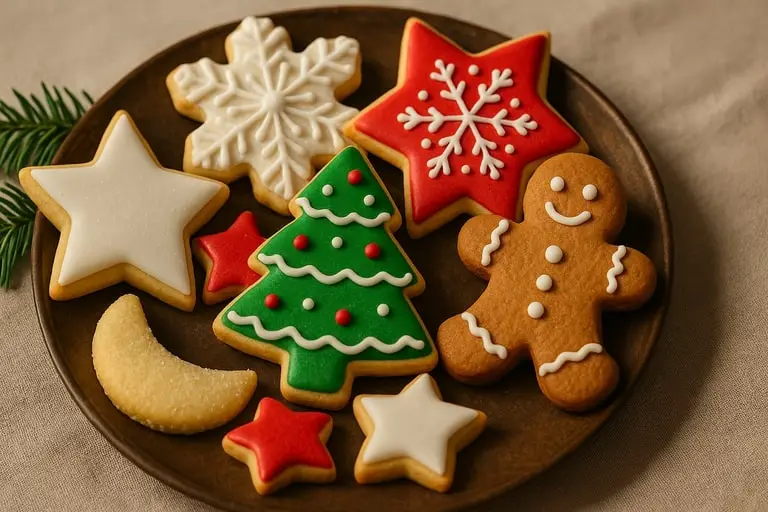
At the heart of christmas cookies lies their extraordinary variety. Sugar cookies shaped into stars, bells, and trees invite decoration with icing and sprinkles. Gingerbread cookies, with their deep spice and molasses notes, often take the form of men, houses, or intricate ornaments. Shortbread, delicate and buttery, provides a simple yet luxurious contrast to more ornate recipes. Each household and culture adds its own interpretation, ensuring that christmas cookies are never uniform but rather a tapestry of flavors and styles that reflect both heritage and imagination.
The process of making christmas cookies is as important as the result. Families gather in kitchens to roll dough, cut shapes, and decorate together, turning baking into a communal event. For children, it often becomes their first introduction to cooking, where creativity flourishes in frosting, candies, and edible glitter. The act of baking, decorating, and sharing these cookies strengthens bonds, making the recipe a vessel for memory and joy. It is not unusual for recipes to be passed down for generations, handwritten cards carrying both instructions and stories.
The sensory appeal of christmas cookies explains their power to evoke emotion. The sight of trays filled with colorful shapes, the smell of spices wafting through the air, the sound of laughter as dough is cut and icing piped — all combine to create an atmosphere of celebration. The taste delivers contrasts: the sweetness of sugar, the warmth of cinnamon, the crunch of icing, and the tenderness of butter-rich dough. These sensory experiences make the cookies more than food; they become symbols of anticipation, generosity, and festivity.
Culturally, christmas cookies embody values of sharing and generosity. They are often prepared in large batches not only for family but also for neighbors, friends, and community events. Exchanging plates of cookies has become a gesture of goodwill, a way of spreading holiday spirit beyond one’s own household. Cookie swaps, where families trade homemade varieties, showcase the diversity of recipes while reinforcing community bonds. In this way, christmas cookies serve as edible expressions of hospitality, turning baking into a form of connection.
Decoration elevates christmas cookies into works of art. Royal icing allows for intricate patterns, from snowflakes and holly to Santas and reindeer. Colored sugars and sprinkles add sparkle, while chocolate drizzles and glazes provide richness. Some bakers craft entire gingerbread houses, adorned with candies and icing, transforming cookies into architectural marvels. This artistic dimension ensures that christmas cookies engage creativity as much as taste, turning the kitchen into a studio where imagination is celebrated.
Nutritionally, christmas cookies are indulgences, yet even here, adaptations abound. Whole grain flours, natural sweeteners, or plant-based fats allow for lighter versions that align with modern wellness goals. Vegan and gluten-free recipes expand inclusivity, ensuring that everyone can partake in the tradition. While the holiday season is not primarily about restraint, these adjustments show how christmas cookies continue to evolve, balancing indulgence with awareness without losing their festive essence.
Economically, christmas cookies reflect practicality and generosity. The ingredients are simple and affordable, yet the results feel abundant and luxurious. A few cups of flour, sugar, butter, and spices can be transformed into dozens of cookies, enough to fill tins, gift boxes, and dessert tables. Their ability to stretch resources while delivering joy underscores their enduring role in holiday celebrations. They demonstrate how thoughtful preparation can create abundance, aligning with the season’s values of sharing and gratitude.
Modern innovations continue to expand the tradition of christmas cookies. Global flavors find their way into recipes, with matcha shortbread, chai-spiced gingerbread, or dulce de leche sandwich cookies joining the classics. Social media has turned cookie decorating into an art form, with bakers sharing elaborate designs that inspire others. Despite these innovations, the essence remains unchanged: christmas cookies as symbols of joy, tradition, and creativity. Their adaptability ensures they remain fresh while retaining their cultural and emotional significance.
Psychologically, the baking of christmas cookies provides comfort and grounding. The rituals of mixing dough, cutting shapes, and decorating create rhythm during a season that can often feel hectic. For many, the smell of baking cookies is inseparable from memories of childhood, family, and anticipation. Sharing them reinforces belonging, while gifting them spreads cheer. Even eating them alone can provide comfort, connecting the individual to larger traditions and collective joy. The psychological resonance of christmas cookies is as important as their taste, making them one of the most powerful symbols of the season.
Ultimately, christmas cookies endure because they capture the spirit of the holiday itself: joy, generosity, creativity, and tradition. They transform simple ingredients into something magical, offering both nourishment and meaning. To bake them is to participate in rituals that stretch back centuries, affirming continuity while allowing space for innovation. In every bite lies more than sugar and spice — there is memory, heritage, and the affirmation of togetherness. Christmas cookies remind us that food is never just food but a vessel of celebration, ensuring their place at the center of holiday traditions for generations to come.