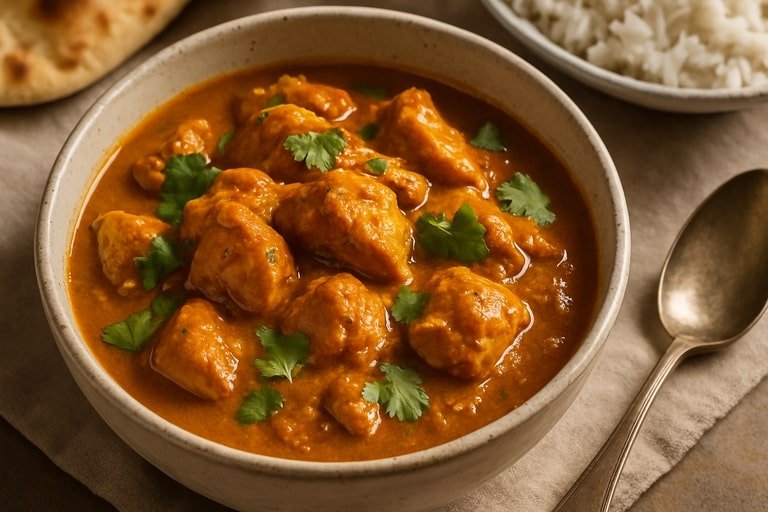
Chicken curry recipe stands as one of the most enduring and versatile dishes across global cuisines, uniting rich flavors, cultural traditions, and nourishing comfort in a single bowl. Rooted in South Asian culinary heritage yet embraced worldwide, chicken curry has evolved into countless variations, each reflecting geography, culture, and personal creativity.
At its essence, the dish is defined by tender chicken simmered in a sauce infused with spices, aromatics, and often tomatoes, cream, or coconut milk. This combination delivers depth and warmth, making chicken curry not only a meal but also an experience that engages all senses.
The origins of chicken curry recipes are inseparable from the history of spice trade and cultural exchange. In India, where the dish is most deeply rooted, regional interpretations abound: creamy and rich in the north with yogurt and garam masala, lighter and coconut-based in the south, tomato-forward in the west, and herbaceous in the east. Each variation reflects local ingredients and traditions, proving that chicken curry is less a fixed formula and more a culinary philosophy of balance and adaptation.
Technique is crucial in the success of a chicken curry recipe. Onions are often caramelized until golden, providing sweetness and depth, while garlic and ginger add sharpness and warmth. Spices—whether cumin, coriander, turmeric, chili, or cardamom—must be bloomed in oil to release their essential oils and aromas, transforming the base into something vibrant. Chicken is seared to lock in juices before simmering in sauce, ensuring tenderness while absorbing layers of flavor. This progression demonstrates how mastery lies in careful sequencing rather than complexity.
Texture defines the dish as much as taste. A well-executed chicken curry strikes balance between tender meat and a sauce that clings yet flows, rich without heaviness. Whether served over rice, alongside bread, or with accompaniments like pickles or yogurt, the dish achieves completeness in every serving. The sauce, fragrant and spiced, envelops grains and bread alike, ensuring harmony with every bite.
Cultural resonance enriches its significance. In South Asia, chicken curry is central to celebrations and everyday meals alike, embodying hospitality and familial connection. Its journey beyond the subcontinent has given rise to beloved versions across the world: British chicken tikka masala, Caribbean curries with Scotch bonnet heat, Southeast Asian versions with coconut and lemongrass. Each adaptation highlights both the universality and flexibility of the dish.
Nutrition adds another layer of appeal. Chicken provides lean protein, while spices contribute antioxidants and potential health benefits. Tomatoes, onions, and herbs add vitamins and minerals, while controlled use of oil ensures balance. Depending on preparation, chicken curry can be hearty or light, indulgent or health-conscious, reflecting its adaptability to diverse dietary goals.
Home cooking of chicken curry recipes often carries emotional weight. Families pass down versions through generations, each with subtle differences in spice ratios or techniques. Preparing curry at home becomes a ritual of memory and continuity, connecting cooks with ancestors and reinforcing cultural identity. This emotional resonance elevates the dish from sustenance to heritage.
Modern chefs and home cooks continue to innovate with chicken curry. Some introduce smoked chilies, others experiment with fusion elements like adding cream cheese or international herbs. Plant-based alternatives also replicate its flavors, proving that the dish inspires creativity beyond its traditional boundaries. These reinterpretations demonstrate that chicken curry thrives as both classic and canvas for experimentation.
The sensory journey of preparing chicken curry is part of its charm. The sound of sizzling onions, the fragrance of toasted spices, and the sight of sauce thickening create anticipation long before the first bite. Cooking transforms into performance, engaging all senses and elevating the act of preparation into something meditative and rewarding.
Presentation further enhances experience. Garnishes of cilantro, slices of chili, or drizzles of cream provide freshness and contrast, while accompaniments of naan, roti, or rice ground the dish in context. This interplay between vibrancy and comfort makes chicken curry equally suited for casual family meals or formal dining occasions.
Ultimately, chicken curry recipe endures because it balances tradition with adaptability, nourishment with indulgence, and complexity with comfort. It thrives across cultures, geographies, and lifestyles, proving that its essence lies not only in flavor but also in the way it brings people together around the table.
Chicken Curry Recipes Spiced Global Legacy
Chicken curry recipes reflect the diversity of cultures and cuisines that have adopted and adapted this dish, proving its universality and timeless appeal. Each recipe is a lens into geography, history, and creativity, yet all share the core elements of chicken, spices, and a flavorful sauce. This common thread ensures recognition even as variations proliferate, demonstrating the dish’s ability to evolve without losing identity.
Regional differences illustrate its adaptability. Indian chicken curry recipes vary dramatically by region, from Kashmiri versions rich with yogurt and saffron to Goan curries infused with coconut and chili. In Thailand, curries lean toward fragrant pastes of lemongrass, galangal, and kaffir lime. In the Caribbean, heat and sweetness dominate, with Scotch bonnet peppers and allspice creating distinct depth. Each version offers a different interpretation of spice, yet all honor the dish’s philosophy of balance.
Technique remains foundational. Caramelizing onions for sweetness, toasting spices for aroma, and simmering chicken until tender are universal steps. Yet subtle changes—such as marinating chicken beforehand, using ghee versus oil, or adjusting chili levels—transform character dramatically. Mastery of technique ensures that even within variation, the dish retains coherence and distinction.
Nutrition underscores the versatility of chicken curry recipes. The protein from chicken aligns with health-conscious diets, while vegetables and spices contribute nutrients and wellness. Curry can be adjusted to suit preferences, with lighter versions using yogurt or tomato bases and richer versions incorporating cream or coconut milk. This flexibility reinforces its appeal across lifestyles.
Cultural context deepens meaning. In South Asia, chicken curry is a household staple, served daily as well as during festive occasions. In diaspora communities, it becomes a link to heritage, preserving identity across generations. In global contexts, it has been reimagined to suit local palates, becoming a symbol of culinary exchange and adaptation.
Home recipes further enrich its role. Families develop signature versions, often guarded and passed down as heirlooms. A grandmother’s spice blend, a father’s marination technique, or a mother’s preference for garnish—all contribute to creating a curry that is both shared and deeply personal. These variations illustrate how tradition thrives through personalization.
Innovation continues in modern kitchens. Chefs experiment with smoked spices, unconventional proteins, or plant-based versions that mimic the complexity of chicken curry. Such creativity ensures relevance in contemporary culinary landscapes, proving that classics can inspire reinvention without losing essence.
Texture plays an equally important role. The sauce must strike balance between richness and fluidity, ensuring it complements rice or bread. Chicken must remain tender, neither dry nor undercooked, while vegetables or legumes, when added, must retain their integrity. This orchestration creates harmony that defines excellence in chicken curry recipes.
The sensory journey of making curry enriches its significance. The fragrance of spices blooming in oil, the sight of sauce turning from raw to golden, the sound of simmering—all contribute to anticipation. Cooking becomes more than task; it becomes ritual, reinforcing connection to culture and tradition.
Presentation reflects artistry. Garnished with herbs, accompanied by rice, or served with flatbreads, chicken curry is both practical and celebratory. Its vibrant colors—reds, yellows, oranges—mirror the boldness of its flavors, making it as visually captivating as it is delicious.
Ultimately, chicken curry recipes endure because they embody adaptability, flavor, and cultural resonance. They travel across borders, accommodate diverse preferences, and maintain essence despite reinvention. Their global legacy proves that true classics thrive not by resisting change but by embracing it with grace.
Chicken Curry Recipe Homemade Comfort and Flavor
Chicken curry recipe homemade versions embody the intimacy and creativity of cooking at home. Unlike restaurant preparations that often prioritize consistency or speed, homemade curries reflect individual taste, family tradition, and personal care. Each pot becomes a reflection of the cook’s hand, memory, and imagination, making it more than food—it becomes a statement of identity.
The process begins with choices. Fresh chicken pieces, selected spices, and accompaniments define direction. Some cooks choose bone-in chicken for richer flavor, others boneless for convenience. Spice blends can be subtle or bold, reflecting preference and heritage. These choices personalize the dish from the outset.
Technique in homemade curries often reflects tradition. Onions caramelized patiently, garlic and ginger ground fresh, spices toasted in oil—all create a foundation that defines depth. Chicken added at the right moment absorbs layers of flavor, while sauce develops through simmering, thickening into harmony. This sequencing transforms raw ingredients into cohesive comfort.
Nostalgia enriches the homemade experience. Recipes may be passed down from parents or grandparents, creating continuity across generations. Preparing curry at home becomes ritual, connecting present meals to past kitchens and reinforcing familial bonds. These emotional layers elevate the dish beyond sustenance.
Adaptability underscores its strength. Homemade chicken curry recipes allow experimentation: adding vegetables for nutrition, adjusting chili for heat, or substituting coconut milk for cream. Each variation reflects both resourcefulness and creativity, ensuring relevance regardless of lifestyle or dietary needs.
Nutrition reinforces its role in daily cooking. Protein from chicken, antioxidants from spices, and vitamins from vegetables make it nourishing, while balance of fat and flavor ensures satisfaction. Homemade control over oil, salt, and cream allows alignment with health-conscious values without losing comfort.
The sensory journey of home cooking is immersive. The aroma of roasting spices fills the kitchen, the sizzle of onions signals transformation, and the sight of sauce reducing creates anticipation. Each step engages senses, making the process itself rewarding.
Practicality strengthens homemade versions. Curry can be prepared in generous portions, stored, and reheated, often tasting better as flavors meld over time. This makes it a dependable choice for busy households, providing both immediate satisfaction and lasting value.
Presentation carries care. Garnishes of cilantro, chili slices, or cream swirls add freshness and beauty, while accompaniments of rice or bread provide grounding. Serving homemade curry underscores hospitality, turning everyday cooking into an act of sharing and connection.
Experimentation thrives in home kitchens. From adjusting spice ratios to introducing unconventional ingredients, cooks personalize curry to taste and context. Each pot becomes both homage to tradition and reflection of individuality, ensuring that no two homemade versions are identical.
Ultimately, chicken curry recipe homemade versions endure because they combine tradition, creativity, and care. They demonstrate that food nourishes not only the body but also memory and identity, proving that comfort thrives when crafted with love and intention.
Few dishes embody the intersection of flavor, history, and adaptability as perfectly as chicken curry. Beloved in kitchens across Asia, Africa, Europe, and the Americas, it has become one of the most widely enjoyed comfort foods in the world. The enduring popularity of the chicken curry recipe comes from its ability to transform basic ingredients into something extraordinary, delivering warmth and depth with every bite. Whether prepared as a family staple, a festive centerpiece, or a quick weeknight meal, chicken curry has earned its place as a global classic.
At the heart of every chicken curry recipe is the marriage of protein and spice. Chicken provides a tender, neutral base that absorbs flavor effortlessly, while the blend of spices creates complexity and distinction. From mild and creamy to fiery and robust, the variations are endless, reflecting regional traditions and personal preferences. This adaptability explains its global reach: no matter where it is cooked, chicken curry can be tailored to local tastes while preserving its essence.
Indian cuisine is often considered the cradle of curry, and with good reason. Here, the chicken curry recipe is elevated with aromatic blends of cumin, coriander, turmeric, ginger, garlic, and chili. Tomatoes or yogurt may form the sauce, and fresh cilantro often completes the dish. Each region of India has its own interpretation — from the buttery richness of North Indian styles to the coconut-infused curries of the South. These diverse traditions showcase the incredible versatility of one foundational idea: simmering chicken in a sauce infused with spices.
Beyond India, the dish has taken countless forms. In Thailand, chicken curry comes alive with coconut milk, lemongrass, galangal, and kaffir lime leaves, producing fragrant broths that balance sweetness and spice. In Japan, curry is milder and often served with rice as comfort food beloved by families. In the Caribbean, it reflects African and Indian influences, with Scotch bonnet peppers and local herbs adding fiery depth. Each culture’s chicken curry recipe tells a story of migration, adaptation, and identity.
The sauce is the soul of the dish. Creamy versions rely on coconut milk, yogurt, or cream to create smoothness, while tomato-based sauces bring tang and acidity. Some curries highlight dry spices, producing an earthy profile, while others incorporate fresh pastes for vibrancy. The balance of heat, sweetness, and richness determines the dish’s character. A well-crafted chicken curry recipe teaches cooks the art of layering flavors, where patience in sautéing aromatics and toasting spices yields depth that cannot be rushed.
Texture is equally important. Chicken pieces must be cooked until tender but not dry, allowing them to soak up sauce without falling apart. Bone-in cuts provide richer flavor, while boneless pieces offer convenience. Vegetables such as potatoes, peas, spinach, or okra are often added, increasing variety and nutrition. Rice, naan, or flatbreads complete the meal, making the dish hearty and satisfying. The chicken curry recipe demonstrates that balance is as much about texture as it is about flavor.
Nutritional benefits contribute to its appeal. Spices like turmeric and ginger provide anti-inflammatory properties, while garlic and onions support heart health. Chicken delivers lean protein, and vegetables add vitamins and fiber. Curries prepared with minimal oil and plenty of fresh ingredients offer both indulgence and wellness. The chicken curry recipe proves that healthy eating need not be bland; it can be bold, aromatic, and deeply enjoyable.
Cultural symbolism further enhances its stature. In many communities, curry is a dish of hospitality, often shared at celebrations, family gatherings, and religious festivals. Its preparation brings people together, whether through grinding spices, stirring pots, or setting the table. For those far from home, the chicken curry recipe often serves as a connection to heritage, evoking memories of family kitchens and traditions passed down through generations.
The digital age has amplified curry’s visibility. Social media platforms and food blogs showcase endless variations, from traditional slow-simmered versions to quick one-pot adaptations for busy households. Video tutorials demystify spice blends, helping beginners build confidence. The vibrant colors of golden turmeric, red chilies, and fresh herbs make the chicken curry recipe visually irresistible, driving its popularity across platforms and ensuring its place in global food culture.
Restaurants worldwide feature curry as a star offering. Fine dining establishments elevate it with artisanal spices, heritage chicken, and elegant plating, while street vendors present it as hearty, affordable comfort food. From upscale curry houses in London to bustling street stalls in Bangkok, the chicken curry recipe transcends borders and dining formats. Its universality lies in its adaptability: the dish can be humble or luxurious, depending on context.
Practicality also drives its enduring role. Curry is economical, stretching small amounts of meat with sauce and vegetables to feed large groups. It stores well, often tasting better the next day as flavors meld. It can be adjusted for dietary needs, from dairy-free to gluten-free to plant-based versions that retain curry’s spirit. The chicken curry recipe remains as practical as it is flavorful, proving that tradition and convenience can coexist.
Ultimately, chicken curry endures because it is more than food; it is history, community, and creativity in a single dish. It teaches us the power of spice, the value of patience, and the beauty of adaptability. Each version reflects a culture, a family, or a cook’s imagination, yet all share a common bond of comfort and flavor. The chicken curry recipe will continue to evolve and thrive because it satisfies not only hunger but also the universal desire for connection through food.