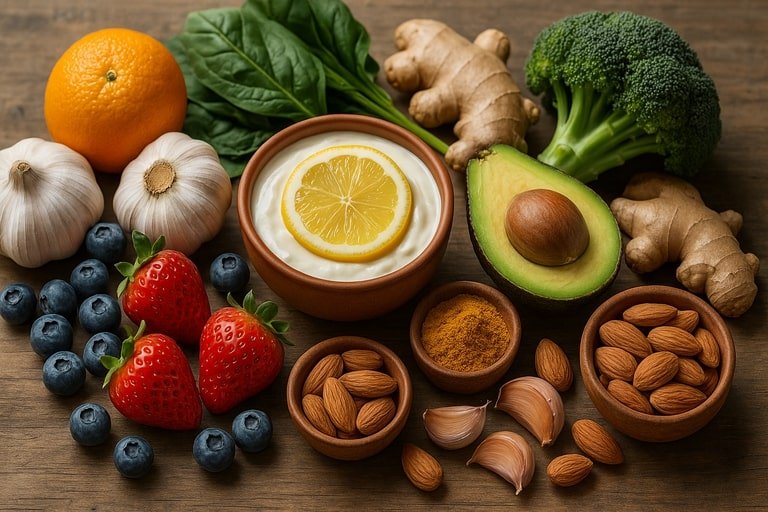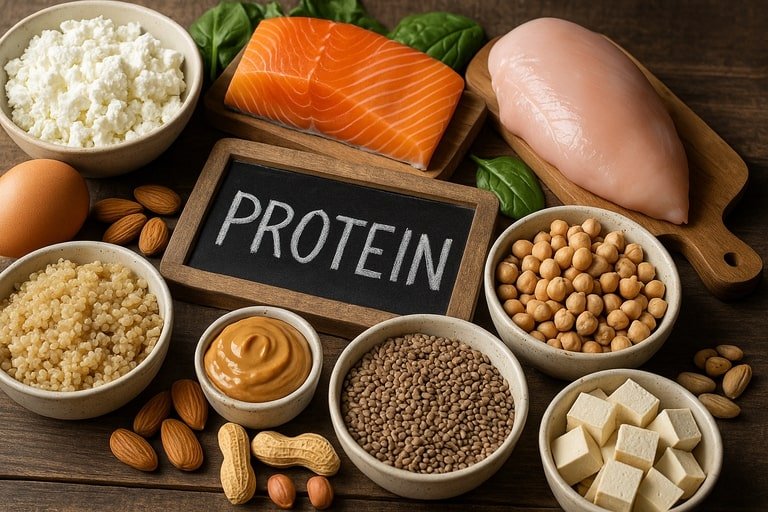
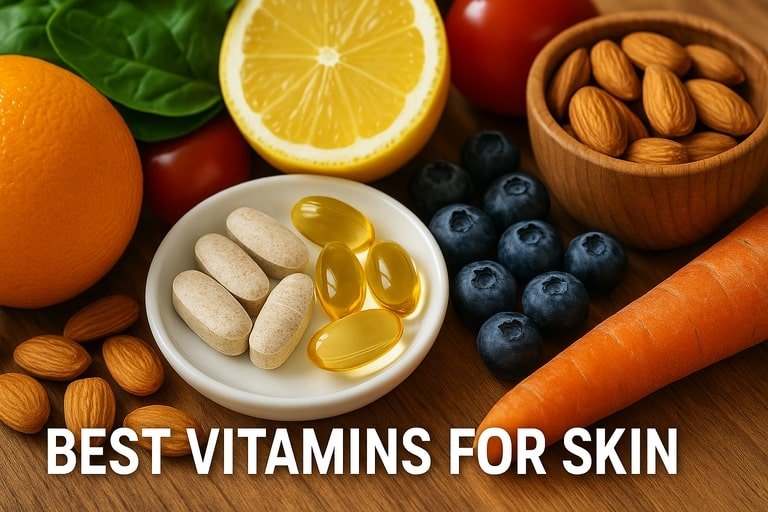
Best vitamins for skin health form the foundation of any comprehensive approach to achieving youthful, resilient, and glowing skin. While topical products like creams and serums offer short-term benefits, true skin vitality begins with nutrition that supports cellular health from within. Vitamins act as catalysts in countless biological processes, enabling the body to repair tissue, fight free radicals, and maintain hydration. When considering vitamins for glowing skin, it is essential to understand both the science and the lifestyle practices that maximize their benefits. The skin, being the largest organ of the body, reflects the overall condition of one’s internal health, and therefore the nutrients consumed directly influence appearance, texture, and resilience.
Vitamin A is among the most important nutrients for skin renewal. It supports cell turnover, reduces dryness, and contributes to an even complexion. Retinoids, a derivative of vitamin A, are widely used in dermatology to address acne and fine lines, demonstrating its potency. From a dietary perspective, carrots, sweet potatoes, and leafy greens provide rich sources of vitamin A, ensuring that the skin’s natural repair mechanisms remain strong. By including such foods consistently, individuals nourish their complexion from the inside out, reinforcing the effects of topical treatments.
Vitamin C stands out as another powerhouse among the best vitamins for skin. Known for its role in collagen synthesis, vitamin C helps maintain firmness and elasticity. It also functions as a potent antioxidant, neutralizing free radicals that contribute to premature aging. Citrus fruits, bell peppers, and berries are abundant sources that integrate easily into everyday meals. Beyond appearance, vitamin C also supports wound healing and strengthens the skin’s barrier against environmental stressors, making it indispensable for both beauty and health.
Vitamin E further amplifies skin protection by guarding against oxidative damage caused by UV exposure and pollution. It stabilizes cell membranes and enhances skin hydration, helping to reduce inflammation and scarring. Nuts, seeds, and plant oils deliver this nutrient in bioavailable forms that the body readily absorbs. Together with vitamin C, vitamin E forms a synergistic duo that fortifies the skin against environmental aggressors while promoting softness and resilience.
Vitamin D, often called the “sunshine vitamin,” plays a unique role in skin health. It supports immune function within the skin and contributes to repair processes. Deficiencies in vitamin D can manifest as dryness, irritation, or increased susceptibility to conditions such as eczema. While sunlight stimulates natural production, dietary sources like fortified foods, fatty fish, and supplements ensure sufficient levels without excessive UV exposure. Maintaining balance is crucial, as both deficiency and overexposure to sunlight can compromise skin integrity.
B vitamins collectively contribute to a healthy complexion by supporting energy metabolism and cellular repair. Biotin (vitamin B7) strengthens hair and nails while enhancing skin hydration, while niacin (vitamin B3) improves tone and reduces redness. Whole grains, eggs, and legumes provide diverse B vitamins, ensuring that skin cells receive the energy and structural support they require for constant renewal. Together, these nutrients foster balance, preventing dullness and supporting radiance.
Zinc, though technically a mineral, is often grouped with vitamins for skin health because of its critical functions. It regulates oil production, reduces inflammation, and accelerates wound healing. Deficiencies frequently manifest as acne or delayed healing, highlighting its importance. Foods like pumpkin seeds, seafood, and lean meats provide ample zinc, reinforcing the nutritional foundation of healthy skin. Its interplay with vitamins A and C further enhances its impact, creating a network of nutrients that collectively sustain skin vitality.
Hydration-enhancing nutrients also deserve recognition when discussing vitamins for glowing skin. For example, vitamin K supports circulation and reduces under-eye darkness, while its clotting functions prevent bruising. Leafy greens and fermented foods serve as rich sources. Together with hydration from water and antioxidant vitamins, these nutrients enhance the skin’s luminosity, reinforcing a youthful and rested appearance.
The best vitamins for skin also interact with lifestyle habits. Stress, poor diet, lack of sleep, and smoking diminish nutrient absorption and accelerate oxidative damage, undermining even the best supplementation strategies. Prioritizing rest, managing stress, and consuming whole foods maximize the benefits of vitamins. In this sense, glowing skin becomes not a result of single nutrients but of a holistic approach that integrates diet, lifestyle, and self-care.
Topical applications of vitamins complement internal nutrition. Vitamin C serums brighten, retinol creams smooth fine lines, and vitamin E oils hydrate deeply. These treatments deliver concentrated nutrients directly to the skin, amplifying dietary efforts. However, topical methods work best when supported by systemic nutrition, as external treatments alone cannot compensate for internal deficiencies. The combination of both ensures optimal outcomes for radiance and resilience.
Ultimately, the best vitamins for skin represent a partnership between science and lifestyle. By consuming foods rich in vitamins A, C, D, E, and B-complex, alongside minerals like zinc, individuals create a foundation for healthy, glowing skin. Complementing this with topical applications and balanced habits ensures results that are both visible and enduring. True skin health lies not in temporary fixes but in sustained nourishment, where vitamins serve as the quiet architects of radiance.
Best Vitamins for Skin and Their Role in Healthy Skin Care
The best vitamins for skin provide a blueprint for effective skin care that goes beyond cosmetic solutions. Skin care routines often emphasize external products, but nutrition remains the cornerstone of lasting health and beauty. Vitamins nourish from within, ensuring that every cell functions optimally, while topical treatments support external defenses. By understanding the interplay of vitamins and skin care, individuals can craft strategies that prevent damage, accelerate repair, and maintain a vibrant appearance.
Vitamin A continues to play a starring role, particularly in regulating sebum production and reducing the likelihood of clogged pores. Dermatologists frequently prescribe retinoids to treat acne, but dietary sources ensure that the skin receives steady support without the harshness of pharmaceutical interventions. In skin care, vitamin A exemplifies the principle that balance is key — enough to encourage renewal but not so much as to cause irritation.
Vitamin C remains indispensable for both internal and external skin care. Beyond collagen synthesis, its antioxidant properties shield skin from oxidative stress caused by pollution and UV exposure. Topical vitamin C serums, when paired with dietary intake, create a dual defense system. By brightening skin tone and reducing hyperpigmentation, vitamin C demonstrates its versatility in both preventive and corrective care.
Vitamin E, often used in moisturizers and oils, strengthens the skin barrier, reducing transepidermal water loss and enhancing hydration. It works synergistically with vitamin C to reduce oxidative stress, proving that nutrients function best in collaboration. Whether applied topically or consumed through nuts and seeds, vitamin E acts as a shield, preserving the skin’s youthful suppleness.
Vitamin D provides more than systemic benefits — it also supports local immunity within the skin. Its role in preventing infections and regulating inflammation makes it essential in skin care. Topical formulations containing vitamin D analogs are used in dermatology to treat psoriasis and other conditions, showing how this nutrient bridges systemic and external approaches. Together with sunlight and nutrition, vitamin D forms a triad of support for resilient skin.
B vitamins, particularly niacinamide (a form of B3), play prominent roles in modern skin care. Niacinamide reduces redness, strengthens the barrier, and minimizes pore appearance, making it a staple ingredient in serums and creams. Biotin, while less prominent topically, strengthens keratin structures when consumed, enhancing skin, hair, and nails simultaneously. These examples highlight the versatility of B vitamins in comprehensive care.
Zinc also holds an important place in skin care strategies. In topical formulations, it reduces inflammation, calms irritation, and provides mild sun protection. Internally, it regulates oil production and accelerates healing, making it vital for those prone to acne. Zinc demonstrates how minerals complement vitamins, reinforcing a complete nutrient-based approach to skin care.
Vitamin K deserves attention for its ability to reduce discoloration. Topical creams containing vitamin K lighten under-eye circles and diminish bruising, while dietary intake supports vascular health. This nutrient underscores the interconnectedness of systemic and topical care, where internal consumption enhances the effectiveness of external treatments.
In skin care routines, combining vitamins with antioxidants, hydration, and sun protection creates a layered defense. No single vitamin functions in isolation; rather, the synergy of multiple nutrients provides resilience. The skin reflects not only individual nutrients but also the balance of an entire lifestyle, including diet, sleep, and stress management. Skin care therefore becomes a holistic endeavor that integrates both internal nourishment and external protection.
Practical integration of vitamins into skin care routines involves dietary planning and consistent product use. Smoothies rich in berries, leafy greens, and seeds supply antioxidants, while serums and moisturizers deliver topical benefits. This dual approach maximizes absorption and ensures that the skin receives nutrients through both internal and external pathways. Over time, this consistency leads to visible improvements, reinforcing the value of vitamins in holistic care.
Ultimately, the best vitamins for skin serve as the bridge between internal health and external beauty. By combining dietary intake, supplementation when needed, and targeted skin care products, individuals achieve results that are radiant and resilient. Vitamins remind us that beauty is not superficial but the reflection of inner well-being, maintained through consistent care and holistic balance.
Best Vitamins for Skin and Natural Skin Care Nutrients
The best vitamins for skin often originate from natural sources that have nourished humanity for centuries. Long before modern dermatology and cosmetics, cultures around the world relied on nutrient-rich foods and oils to maintain healthy, glowing skin. Today, scientific research validates many of these traditional practices, showing how natural vitamins and minerals support cellular repair, hydration, and resilience. Understanding these natural sources empowers individuals to cultivate radiant skin without dependence on synthetic solutions alone.
Vitamin A exemplifies this connection between tradition and science. Historically, liver and fish oils were prized for their skin-healing properties, long before retinoids were isolated. Today, foods like sweet potatoes, kale, and spinach remain abundant natural sources, reinforcing that vibrant skin begins with diet. When consumed regularly, these foods provide consistent support for renewal and repair, ensuring that the skin maintains elasticity and clarity.
Vitamin C’s natural origins are equally compelling. Citrus fruits, guava, kiwi, and papaya deliver high concentrations of this antioxidant powerhouse. These fruits not only refresh the body but also brighten skin from within, supporting collagen synthesis and reducing oxidative stress. Cultural traditions of using fruit masks or consuming fresh juices highlight how natural vitamin C has always been central to skin vitality.
Vitamin E, abundant in almonds, sunflower seeds, and avocado, provides both nutritional and topical benefits. Its oil has been used for centuries to treat dryness and protect against harsh climates. Today, scientific validation shows how vitamin E neutralizes free radicals and supports hydration, confirming the wisdom of ancient practices. Incorporating these foods into daily diets provides a natural foundation for supple, resilient skin.
Vitamin D demonstrates the balance between nature and modern science. Sunlight, the most natural source, stimulates vitamin D production in the skin. Yet, safe practices ensure that benefits are received without overexposure. Supplementing with fatty fish or fortified foods ensures adequate levels while minimizing risk. Nature offers the foundation, but modern knowledge refines how to balance its gifts for safe, effective outcomes.
B vitamins naturally occur in whole grains, legumes, nuts, and animal products, offering a wide spectrum of support. Cultures relying on whole foods have long enjoyed the benefits of these vitamins in maintaining energy, skin hydration, and resilience. Niacin, biotin, and riboflavin each contribute to specific skin functions, from reducing redness to strengthening barriers, demonstrating how natural diets inherently supported skin health.
Zinc, present in shellfish, pumpkin seeds, and beans, represents another nutrient central to natural skin care. Traditional remedies often involved zinc-rich foods to treat wounds and skin conditions, practices now confirmed by modern research. Its anti-inflammatory and healing properties make it essential for those seeking natural solutions to acne or irritation.
Herbal and plant-based sources also complement vitamin intake. Aloe vera, rich in antioxidants and soothing compounds, exemplifies how nature provides topical and internal benefits simultaneously. Similarly, green tea contains catechins that complement vitamin activity, reducing inflammation and protecting against environmental stress. These examples show how vitamins for skin health often work in synergy with other natural compounds, reinforcing holistic care.
The cultural wisdom surrounding natural vitamins for skin care emphasizes harmony with the environment. Indigenous and traditional practices remind modern society that health and beauty were always intertwined with diet, sunlight, and plant-based remedies. Science now validates these insights, showing that nature’s vitamins remain among the most effective tools for supporting skin vitality.
Integrating natural vitamins into modern routines involves more than supplementation. It requires embracing whole foods, safe sun exposure, hydration, and mindful self-care. Smoothies, salads, teas, and oils bring these nutrients directly into daily life, blending tradition with science. Over time, these habits reinforce skin health, offering results that are authentic, sustainable, and resilient.
In conclusion, the best vitamins for skin reflect the timeless connection between nutrition, tradition, and science. By relying on natural sources, individuals harness the wisdom of generations while applying modern understanding for balance and safety. Vitamins A, C, D, E, and B-complex, alongside zinc and plant compounds, remain indispensable for radiant, healthy skin. They represent not just nutrients but a philosophy of care that honors the synergy between body and nature, ensuring beauty that radiates from within.
The condition of our skin reflects not only external care but also what we consume and how our bodies function internally. Skincare routines may rely on cleansers, moisturizers, and sunscreens, but true radiance often begins with nutrition. Exploring the best vitamins for skin reveals how essential nutrients contribute to hydration, elasticity, repair, and overall vitality. By understanding the science behind these vitamins, we can make smarter dietary choices and achieve healthier, more resilient skin.
One of the most renowned nutrients for skin health is vitamin C. Known as a powerful antioxidant, it helps neutralize free radicals that damage skin cells and accelerate aging. Vitamin C also plays a critical role in collagen synthesis, the protein responsible for skin’s firmness and elasticity. Including citrus fruits, bell peppers, and berries in the diet supports brighter, more youthful-looking skin. Any list of the best vitamins for skin must begin with this essential nutrient because of its dual role in protection and repair.
Vitamin A is equally important. Retinoids, derived from vitamin A, are widely used in dermatology to combat acne, wrinkles, and uneven pigmentation. Internally, vitamin A regulates skin cell turnover, ensuring that new, healthy cells replace older ones efficiently. Foods such as sweet potatoes, carrots, and leafy greens provide this nutrient naturally. As one of the best vitamins for skin, vitamin A ensures that the skin barrier remains strong while addressing common concerns like dryness and blemishes.
Vitamin E is another crucial antioxidant that protects against environmental stressors. It reduces damage caused by ultraviolet rays and pollution while supporting moisture retention in the skin. Almonds, sunflower seeds, and avocados are rich dietary sources. When combined with vitamin C, vitamin E provides synergistic protection, making them a powerful duo. Its role in soothing inflammation and preventing premature aging secures its place among the best vitamins for skin, particularly for those exposed to harsh environments.
B vitamins, particularly biotin (B7), niacin (B3), and riboflavin (B2), are often called “beauty vitamins.” Biotin supports keratin production, strengthening skin, hair, and nails. Niacin improves hydration and reduces redness, while riboflavin aids in energy production for cellular repair. Eggs, whole grains, nuts, and legumes supply these nutrients in abundance. Their combined benefits demonstrate why B vitamins are consistently included in discussions of the best vitamins for skin, ensuring balance and vitality at the cellular level.
Vitamin D deserves attention as well. While known primarily for bone health, it also influences skin cell growth and repair. Deficiency in vitamin D is linked to conditions such as eczema and psoriasis. Sunlight exposure stimulates its production in the body, though supplementation may be necessary in colder climates or for those with limited sun exposure. As one of the best vitamins for skin, vitamin D maintains immune balance and contributes to clearer, healthier complexions.
Zinc, while technically a mineral rather than a vitamin, is often grouped into discussions of skin health because of its vital role. It regulates oil production, accelerates wound healing, and reduces inflammation, making it especially beneficial for acne-prone skin. Shellfish, seeds, and legumes provide ample zinc. When combined with the best vitamins for skin, this mineral enhances overall resilience and protection, reinforcing the connection between diet and skin quality.
Omega-3 fatty acids, though not vitamins, are another critical nutrient for skin integrity. They maintain cell membranes, lock in moisture, and reduce inflammation that contributes to redness and irritation. Fatty fish, walnuts, and flaxseeds are excellent sources. When paired with the best vitamins for skin, omega-3s complete a holistic approach to nutrition, addressing both structure and hydration. Their inclusion underscores the fact that radiant skin requires a broad spectrum of nutrients working together.
Antioxidants as a group are vital for preventing oxidative stress, which accelerates signs of aging. Vitamins C and E are primary examples, but polyphenols from green tea, resveratrol from grapes, and carotenoids from colorful vegetables also provide protection. Together, these compounds neutralize harmful molecules and preserve youthful appearance. When considering the best vitamins for skin, it is important to view them in the broader context of antioxidant synergy, where multiple nutrients reinforce one another.
Hydration is another essential factor. Vitamins and minerals support skin health, but without adequate water, cells cannot function properly. Hyaluronic acid, often discussed in topical skincare, relies on internal hydration to perform effectively. Pairing water intake with a diet rich in the best vitamins for skin creates the foundation for a radiant, supple complexion. In this way, vitamins and hydration work hand in hand to keep skin balanced and resilient.
Lifestyle choices influence how well these nutrients function. Smoking, excessive alcohol, stress, and poor sleep all deplete vitamins and accelerate skin aging. By contrast, balanced diets, exercise, and mindfulness practices enhance nutrient absorption and overall well-being. Understanding the best vitamins for skin is not just about adding supplements but about adopting a holistic lifestyle that supports long-term health. A healthy body creates the best environment for healthy skin.
Ultimately, the journey to healthier, more radiant skin begins with understanding what the body needs. Vitamin C brightens, vitamin A renews, vitamin E protects, B vitamins strengthen, and vitamin D repairs. Together with zinc, omega-3s, antioxidants, and hydration, they create a complete picture of nourishment. The best vitamins for skin highlight the truth that beauty begins from within. By fueling the body with the right nutrients, we not only improve appearance but also enhance resilience, vitality, and confidence.
Healthy, glowing skin is often seen as a sign of vitality and balance, but true beauty begins deeper than creams and serums. What we eat, how we live, and the nutrients our bodies absorb all play critical roles in how skin looks and feels. For anyone seeking lasting results, learning about the best vitamins for skin provides a roadmap to nourishing beauty from within. Vitamins influence collagen production, repair damaged cells, protect against environmental stressors, and maintain moisture, making them indispensable for radiant skin.
Vitamin C stands at the top of nearly every list for skin health. This antioxidant powerhouse helps protect against free radicals caused by pollution and UV rays, two of the most damaging forces for skin. Even more importantly, it is essential for collagen synthesis, keeping skin firm, elastic, and youthful. Citrus fruits, berries, bell peppers, and broccoli are excellent dietary sources. Its ability to brighten skin tone and support repair makes it one of the best vitamins for skin, bridging both protection and restoration.
Vitamin A plays a different but equally crucial role. Known for its influence on skin cell turnover, it ensures that old, dead cells are replaced with new, healthy ones. This is why retinoids, derived from vitamin A, are widely used in dermatology to treat acne and reduce fine lines. In diet, foods such as carrots, sweet potatoes, and leafy greens provide abundant vitamin A. As part of the best vitamins for skin, it keeps the complexion smooth, balanced, and resilient against aging.
Vitamin E provides another layer of defense. This fat-soluble antioxidant protects cell membranes from oxidative stress and helps skin maintain its natural moisture barrier. Nuts, seeds, avocados, and vegetable oils offer rich supplies. Together with vitamin C, it forms a powerful duo that fights environmental damage and slows visible signs of aging. Its soothing properties also make it ideal for sensitive skin, confirming its place among the best vitamins for skin across all ages.
B vitamins offer broad support through several mechanisms. Biotin (B7) strengthens hair, nails, and skin by supporting keratin production. Niacin (B3) improves hydration and reduces redness or irritation, while riboflavin (B2) aids in cellular repair and energy metabolism. Eggs, whole grains, legumes, and leafy vegetables are excellent sources. The collection of B vitamins demonstrates why grouping them together as some of the best vitamins for skin makes sense — each contributes differently but all enhance vitality.
Vitamin D is often overlooked when discussing skin health, yet its impact is significant. It regulates cell growth, reduces inflammation, and plays a role in immune function. People with deficiencies often experience issues like dryness, eczema, or acne flare-ups. Sunlight exposure stimulates natural vitamin D production, though supplementation may be necessary in certain climates. Considering its influence, vitamin D is undeniably one of the best vitamins for skin and an essential part of whole-body wellness.
Zinc, while technically a mineral, deserves inclusion in the conversation. It supports wound healing, reduces inflammation, and regulates oil production, making it particularly important for acne-prone skin. Shellfish, legumes, and seeds provide ample dietary zinc. When paired with the best vitamins for skin, zinc enhances resilience and balance, reinforcing the link between nutrition and visible health.
Another non-vitamin but critical nutrient is omega-3 fatty acids. Found in fatty fish, walnuts, and flaxseeds, they keep cell membranes flexible, improve hydration, and calm inflammation. These properties help reduce redness, irritation, and dryness. When combined with antioxidants and vitamins, omega-3s form a holistic package for skin vitality. Their synergy with the best vitamins for skin demonstrates that glowing skin is not about one nutrient but about balance across many.
Antioxidant compounds beyond vitamins also contribute significantly. Polyphenols in green tea, resveratrol in grapes, and carotenoids in colorful vegetables all provide protection against oxidative stress, one of the leading causes of premature aging. The key is synergy: when combined with the best vitamins for skin, these compounds enhance the body’s ability to defend against daily damage. A diet rich in antioxidants and vitamins forms the foundation of youthful, healthy skin.
Hydration is the often-forgotten partner of vitamins. Water ensures that nutrients circulate properly and that skin remains supple. Vitamins alone cannot work optimally without hydration to support their activity at the cellular level. Drinking water consistently, alongside eating fruits and vegetables with high water content, ensures that the best vitamins for skin perform at their maximum potential. Together, they keep skin elastic, refreshed, and radiant.
Lifestyle factors also influence the effectiveness of vitamins. Poor sleep, chronic stress, smoking, and excessive alcohol deplete key nutrients and accelerate skin damage. In contrast, balanced diets, consistent exercise, and mindfulness practices maximize absorption and effectiveness. Understanding the best vitamins for skin is only half the equation — creating a lifestyle that supports their use ensures lasting improvements and protection.
Ultimately, skin health is the reflection of harmony between diet, lifestyle, and care. Vitamin C brightens, vitamin A renews, vitamin E protects, B vitamins strengthen, and vitamin D repairs. Alongside minerals like zinc and nutrients like omega-3s, these form a comprehensive strategy for nourishment and resilience. Recognizing the best vitamins for skin helps us move beyond surface treatments, reminding us that true radiance starts from within. By focusing on internal health, we ensure that beauty, strength, and vitality naturally shine through.
The health and appearance of our skin reflect not only external care but also the nutrients we consume. Creams, serums, and treatments can go a long way, but real transformation starts from within. This is where natural skin vitamins become essential, offering the building blocks for repair, protection, and rejuvenation. By focusing on nutrients from whole foods, herbs, and supplements, we can achieve vibrant, resilient skin that radiates health. Understanding how these vitamins function allows us to create a foundation for lasting beauty and wellness.
Vitamin C is one of the most powerful natural skin vitamins, known for its role in collagen production and antioxidant defense. Collagen gives skin firmness and elasticity, helping to reduce wrinkles and sagging. Beyond structural support, vitamin C neutralizes free radicals generated by UV exposure and pollution. Found abundantly in citrus fruits, strawberries, bell peppers, and leafy greens, it brightens skin tone while supporting wound healing. Among all natural skin vitamins, vitamin C stands out for its dual action in prevention and repair, making it indispensable for glowing skin.
Vitamin A is another cornerstone. In its natural form, it regulates cell turnover, ensuring dead cells are replaced by fresh, healthy ones. This process prevents clogged pores, reduces acne, and maintains smooth texture. Carrots, sweet potatoes, spinach, and kale are excellent sources. Retinoids, derived from vitamin A, are widely used in dermatology, but consuming natural skin vitamins through diet provides ongoing, gentle benefits without harsh side effects. With consistent intake, vitamin A supports clear, balanced, and resilient skin over time.
Vitamin E is celebrated for its ability to protect and soothe. As a fat-soluble antioxidant, it guards skin cells from oxidative damage, particularly from sun exposure and environmental stressors. Almonds, sunflower seeds, and avocados are rich dietary sources. Among natural skin vitamins, vitamin E is especially effective when combined with vitamin C, as the two reinforce each other’s protective effects. Its moisturizing properties also make it crucial for maintaining hydration, ensuring that skin remains supple even in harsh conditions.
B vitamins deserve a collective spotlight. Biotin (B7) is often called the “beauty vitamin,” supporting keratin production for strong hair, nails, and skin. Niacin (B3) enhances moisture retention and reduces redness, while riboflavin (B2) aids in energy metabolism at the cellular level. Whole grains, legumes, eggs, and leafy vegetables provide these nutrients in abundance. By consuming a variety of natural skin vitamins in the B family, individuals can improve elasticity, hydration, and overall tone, making them essential for comprehensive skin care.
Vitamin D, though best known for bone health, is also vital for skin. It regulates cell growth, helps repair damaged tissues, and reduces inflammation that can worsen conditions like acne, eczema, and psoriasis. While sunlight stimulates vitamin D production in the body, foods like fatty fish and fortified dairy also contribute. As one of the most important natural skin vitamins, vitamin D underscores the connection between overall wellness and skin clarity. Balanced levels ensure resilience against both environmental and internal stressors.
Zinc, while a mineral rather than a vitamin, is often included in discussions about natural skin vitamins due to its impact on oil regulation, wound healing, and acne prevention. Found in legumes, seeds, and shellfish, zinc reduces inflammation and supports immune defense within the skin. Its inclusion highlights the holistic nature of nutrition, where vitamins and minerals work together to maintain balance. Zinc complements the effects of natural skin vitamins by addressing concerns of breakouts and sensitivity.
Omega-3 fatty acids also contribute significantly. Although technically not vitamins, they work hand in hand with natural skin vitamins to maintain moisture and reduce redness. Fatty fish, flaxseeds, and walnuts are excellent sources. Omega-3s strengthen cell membranes, keeping hydration locked in and irritants out. Their anti-inflammatory effects calm irritation, while vitamins like C and E protect against oxidative stress. Together, these nutrients form a complete picture of skin health, showing that harmony between vitamins and healthy fats is essential.
Antioxidants as a group amplify the benefits of natural skin vitamins. Polyphenols from green tea, resveratrol from grapes, and carotenoids from colorful vegetables all defend against environmental stressors. When combined with vitamins C and E, they create a shield against premature aging. These plant-based compounds prove that natural skin vitamins extend beyond the alphabet, encompassing a wide range of nutrients that work synergistically. Incorporating antioxidant-rich foods daily provides long-term protection and a youthful glow.
Hydration also determines how effectively vitamins function. Even the best natural skin vitamins cannot work properly if cells are dehydrated. Drinking enough water, eating hydrating fruits, and minimizing caffeine and alcohol support vitamin activity. Hyaluronic acid, though often used topically, also depends on adequate hydration to function at the cellular level. Pairing water with vitamins creates a complete system of nourishment, ensuring that skin remains plump, smooth, and resilient.
Lifestyle choices either strengthen or weaken the impact of vitamins. Smoking, chronic stress, and excessive alcohol deplete essential nutrients and accelerate skin damage. Conversely, sleep, exercise, and mindfulness practices improve circulation, nutrient absorption, and cellular repair. By pairing healthy living habits with natural skin vitamins, individuals multiply their benefits. It becomes clear that skin health is never about one factor but about harmony between diet, lifestyle, and care.
Ultimately, the path to radiant skin lies in feeding the body with the nutrients it needs to thrive. Natural skin vitamins such as C, A, E, D, and B-complex, supported by minerals like zinc and healthy fats like omega-3s, form a foundation of protection, repair, and renewal. They work together to fight environmental stressors, regulate cellular processes, and maintain hydration. True radiance cannot come from creams alone; it begins within. By embracing natural skin vitamins as part of daily nutrition, anyone can unlock healthier, more youthful-looking skin that glows from the inside out.