The best diet for weight loss is not defined by rigid restrictions or fleeting trends but by the ability to create sustainable changes that align with individual health needs. Many people associate dieting with deprivation, yet true success in losing weight emerges from balance, variety, and consistency. A diet that works long-term respects the body’s requirements for energy, nutrients, and psychological well-being while fostering fat loss at a steady, healthy pace. By shifting the focus from rapid fixes to sustainable systems, individuals unlock the potential for results that endure rather than fade.
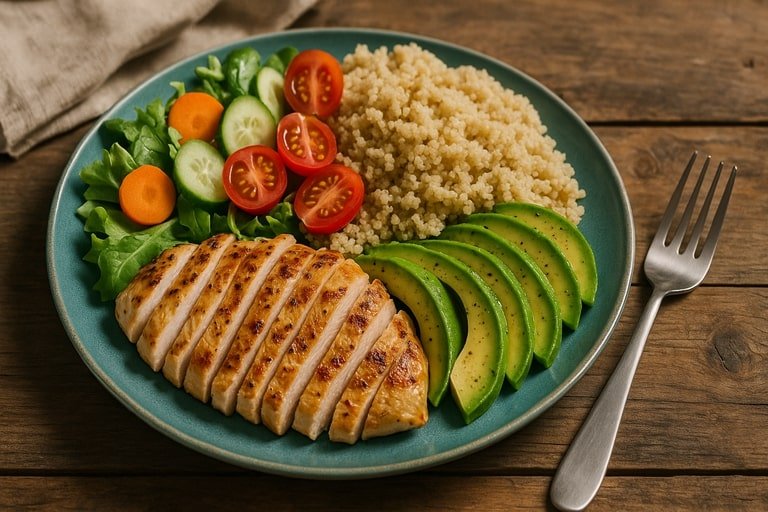
Nutrition forms the cornerstone of effective weight loss. Calories determine the energy balance, but quality of food profoundly influences how the body processes and utilizes energy. Highly processed foods, rich in refined sugars and unhealthy fats, promote cravings and metabolic instability, while whole foods stabilize blood sugar and enhance satiety. The best diet emphasizes vegetables, fruits, lean proteins, whole grains, and healthy fats, ensuring that each meal nourishes as it reduces caloric intake. This approach turns food into a tool for strength and vitality rather than a battleground of restriction.
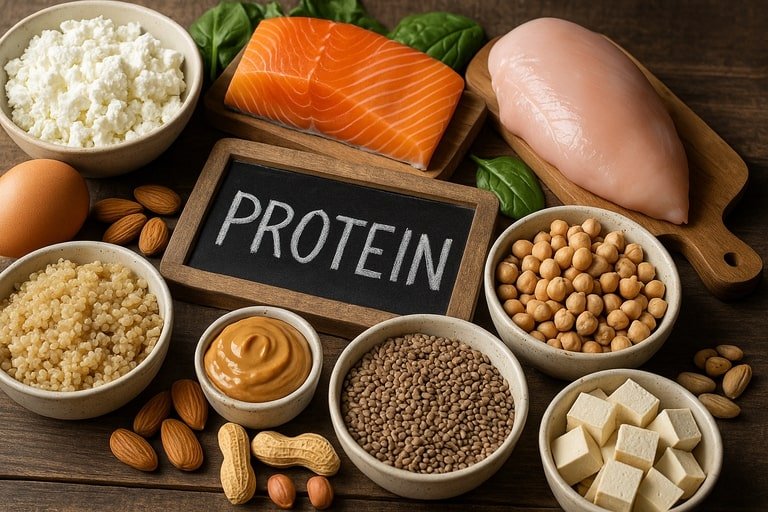
Protein intake is a critical pillar in the best diet for weight loss. Protein not only promotes satiety but also preserves lean muscle mass during caloric deficits, maintaining metabolic rate. Sources such as chicken, fish, legumes, tofu, and eggs provide versatile options across dietary preferences. Incorporating protein into every meal reduces hunger while supporting fat loss, proving that diets emphasizing this macronutrient consistently outperform those that rely heavily on carbohydrates alone.
Fiber plays a complementary role in supporting weight loss. Found in vegetables, whole grains, beans, and fruits, fiber slows digestion, regulates blood sugar, and enhances fullness. This prevents overeating and stabilizes energy levels, reducing the temptation to snack excessively. High-fiber diets also support gut health, which emerging research links to metabolic efficiency and weight control. By nourishing beneficial gut bacteria, fiber contributes to a system where food is processed more effectively, maximizing the benefits of every calorie.
Carbohydrates, often maligned in dieting, remain vital when chosen wisely. Whole carbohydrates like quinoa, brown rice, oats, and sweet potatoes provide essential energy, vitamins, and minerals while avoiding the sharp blood sugar spikes of refined options. Eliminating carbohydrates entirely often leads to fatigue and poor adherence, whereas moderate, thoughtful consumption fuels activity and mental clarity. The best diet incorporates carbohydrates in balance with protein and fat, respecting their role in human physiology.
Healthy fats complete the macronutrient trio, offering satiety and supporting hormonal health. Avocados, olive oil, nuts, and fatty fish deliver omega-3s and monounsaturated fats that reduce inflammation and improve cardiovascular function. Including fats in moderation prevents cravings and ensures that calorie restriction does not undermine overall well-being. Contrary to popular belief, the best diet for weight loss does not exclude fats but integrates them intelligently to enhance balance.
Meal timing also contributes to diet effectiveness. Intermittent fasting, for example, has shown promise in promoting fat burning and metabolic health by condensing eating into shorter daily windows. Others find success with regular meals and snacks that stabilize hunger and energy. The key lies in consistency and individual preference, as adherence over time determines outcomes more than any single timing strategy. By personalizing meal patterns, individuals can create diets that fit seamlessly into their lifestyles.
Hydration serves as an often-overlooked element of effective weight loss diets. Water regulates appetite, supports metabolism, and aids digestion. Replacing sugary drinks with water or unsweetened alternatives reduces unnecessary calories while fostering hydration that supports skin, energy, and focus. Drinking water before meals also enhances satiety, creating an effortless reduction in caloric intake without conscious restriction.
Psychological aspects play a decisive role in diet success. Restrictive mindsets that demonize foods often backfire, leading to binge eating or emotional distress. The best diet for weight loss promotes a positive relationship with food, where indulgences are allowed in moderation and no food is inherently forbidden. This balance reduces guilt, fosters consistency, and supports long-term adherence. Diets rooted in fear or punishment are rarely sustainable, while those centered on empowerment and education foster resilience.
Adaptability ensures that the best diet remains effective despite life’s changes. Travel, work demands, and social events inevitably disrupt routines, but flexible diets that allow substitutions and adjustments thrive under pressure. Instead of rigidly following a plan, individuals succeed by understanding principles — caloric balance, macronutrient quality, and portion control — that can be applied in any context. Adaptability transforms diets from temporary projects into lifelong strategies.
Ultimately, the best diet for weight loss is one that respects individuality, balances nutrition, and prioritizes sustainability. By integrating protein, fiber, whole carbohydrates, and healthy fats into balanced meals, individuals create systems that promote fat loss without sacrificing health. Supported by hydration, psychological resilience, and adaptability, this approach ensures that results endure. Dieting then becomes not a battle but a journey toward vitality, confidence, and long-term well-being.
Best Diet for Weight Loss and Building Effective Weight Management
The best diet for weight loss evolves into a strategy for effective weight management when sustainability becomes the priority. Many diets deliver quick results, but without long-term balance, weight regain often follows. Effective management requires creating habits that extend beyond the initial fat loss phase, allowing individuals to stabilize results and maintain health. Understanding this transition ensures that short-term success translates into enduring transformation.
Central to effective weight management is portion control. Even when consuming healthy foods, overindulgence can stall progress. Learning to recognize hunger and satiety cues prevents overeating, while mindful eating fosters awareness of portion sizes. Eating slowly, savoring flavors, and focusing on meals without distractions reinforce natural signals that guide appropriate intake. These practices transform eating from mechanical consumption into an intentional act that sustains balance.
Meal planning supports consistency, reducing reliance on impulse decisions that often lead to poor choices. Preparing meals in advance ensures that nutritious options are readily available, reducing dependence on fast food or processed snacks. Planning also allows for balanced distribution of macronutrients across the day, supporting stable energy levels and preventing hunger-driven lapses. Over time, meal planning becomes a cornerstone of weight management, embedding structure and predictability into daily routines.
Exercise complements diet as a critical component of weight management. While diet initiates fat loss, physical activity sustains it by increasing energy expenditure and preserving lean muscle. Regular workouts, combining cardio and strength training, create metabolic resilience that counters the natural slowdown often experienced after weight loss. Exercise also provides psychological benefits, reinforcing commitment and improving mood, both of which are essential for adherence.
Metabolic adaptation presents one of the greatest challenges in long-term weight management. As weight decreases, the body naturally requires fewer calories, reducing the margin for error in maintaining balance. To counter this, individuals must remain mindful of caloric intake while ensuring physical activity supports energy needs. Adjusting dietary strategies periodically prevents stagnation, ensuring that progress continues without frustration.
Social environments influence weight management significantly. Dining out, celebrations, or cultural traditions often present challenges, but learning strategies for moderation ensures that these events complement rather than derail progress. Choosing smaller portions, prioritizing protein and vegetables, and limiting high-calorie extras enable individuals to participate socially without sacrificing goals. Effective management thrives when it integrates flexibility into real-life contexts.
Psychological resilience again plays a decisive role. Emotional triggers such as stress, boredom, or sadness often lead to overeating, undermining progress. Developing coping mechanisms such as journaling, meditation, or exercise provides alternatives to food-centered responses. Weight management is not only about physical strategies but also about mastering emotional balance, ensuring that habits remain consistent in the face of challenges.
Technology can support effective management by providing data and accountability. Apps that track nutrition, exercise, and sleep offer insights that guide decision-making. Wearable devices provide feedback on activity and energy expenditure, encouraging daily consistency. While not substitutes for discipline, these tools reinforce awareness and accountability, ensuring that small lapses do not evolve into larger setbacks.
Healthcare and professional guidance remain valuable in long-term management. Dietitians provide strategies tailored to individual needs, while regular checkups monitor health markers such as blood pressure, cholesterol, and glucose. This oversight ensures that weight management aligns with overall health, preventing imbalances or deficiencies. Professional input transforms weight management from a trial-and-error endeavor into a structured, safe process.
Ultimately, the best diet for weight loss extends into effective weight management when combined with portion control, planning, exercise, emotional resilience, and adaptability. By treating weight loss as the beginning rather than the end of the journey, individuals secure results that last a lifetime. This perspective transforms dieting from a temporary solution into a sustainable lifestyle rooted in balance, health, and empowerment.
Best Diet for Weight Loss and Choosing a Healthy Diet Plan
Choosing the best diet for weight loss often requires navigating conflicting information and overwhelming options. From low-carb to plant-based to intermittent fasting, each method claims superiority. Yet the healthiest diet plan is not defined by trends but by compatibility with individual preferences, health conditions, and sustainability. The best choice is one that fosters fat loss while nurturing the body with adequate nutrition, variety, and balance.
Low-carbohydrate diets remain popular for their ability to induce rapid fat loss by lowering insulin levels and encouraging the body to burn fat for energy. For many, reducing refined carbohydrates brings immediate improvements in weight, energy, and appetite control. However, success depends on choosing nutrient-dense proteins, vegetables, and healthy fats rather than simply eliminating carbs indiscriminately. Low-carb plans demonstrate effectiveness, but they work best when integrated thoughtfully and sustainably.
Plant-based diets offer another avenue for safe and effective weight loss. By emphasizing vegetables, legumes, fruits, nuts, and whole grains, these diets naturally reduce calorie density while delivering abundant fiber and micronutrients. Research consistently shows that plant-based approaches reduce disease risk, improve digestion, and support steady fat loss. For those motivated by ethics, environment, or health, plant-based diets provide a comprehensive framework for sustainable results.
Mediterranean diets are widely regarded as one of the healthiest dietary patterns. Centered on vegetables, fish, olive oil, whole grains, and moderate wine consumption, this approach balances enjoyment with nutrition. Studies link the Mediterranean diet to lower risks of heart disease, diabetes, and obesity, making it a model of longevity and health. Its flexibility and cultural richness ensure adherence, proving that weight loss need not sacrifice flavor or enjoyment.
Intermittent fasting represents another effective strategy. By restricting eating to specific windows, individuals reduce caloric intake while promoting hormonal changes that favor fat burning. Beyond weight loss, intermittent fasting supports metabolic health, reduces inflammation, and enhances cellular repair. However, it requires careful planning to ensure nutritional adequacy during eating periods, preventing deficiencies or overeating.
Ketogenic diets, characterized by extremely low carbohydrate intake and high fat consumption, push the body into ketosis, where fat becomes the primary fuel. While highly effective for some, the restrictive nature of keto can make adherence challenging. Its success depends on monitoring nutrient intake and ensuring long-term safety under professional guidance. For those seeking rapid fat loss, keto offers results, but sustainability must be considered carefully.
Balanced diets remain the most universally applicable. By combining moderate portions of protein, carbohydrates, and fats across varied meals, balanced approaches avoid extremes and promote consistency. Such diets encourage portion control, whole foods, and flexibility, aligning with long-term health goals. For many, this balance proves the most realistic and sustainable plan, demonstrating that moderation often surpasses extremes in delivering results.
Personalization is the ultimate factor in choosing the best diet plan. Age, activity level, health conditions, cultural preferences, and psychological factors all influence success. What works for one person may not suit another, and recognizing individuality ensures greater adherence. Diets succeed not because of their name or trend but because they align with lifestyle and values, making consistency natural rather than forced.
Professional guidance again proves invaluable. Dietitians and healthcare providers tailor diet plans to specific needs, ensuring safety and maximizing effectiveness. This oversight prevents deficiencies, identifies hidden risks, and provides accountability. Personalized advice transforms diets from generic frameworks into targeted strategies aligned with health goals.
In conclusion, the best diet for weight loss is not about rigid rules or fleeting trends but about choosing a healthy diet plan that fits seamlessly into life. Whether low-carb, plant-based, Mediterranean, intermittent fasting, or balanced, success arises from consistency, balance, and personalization. By focusing on sustainable nutrition, individuals achieve weight loss while enhancing overall health. Diets then become empowering, offering not only physical transformation but also renewed energy, confidence, and resilience.
The search for the best diet for weight loss has inspired endless debate among nutritionists, doctors, and fitness enthusiasts. With so many options available, from low-carb to plant-based, people often feel overwhelmed by conflicting advice. Yet, the truth is that effective diets share common principles: creating a calorie deficit, nourishing the body with essential nutrients, and promoting habits that can be sustained long-term. Understanding the science behind food choices allows us to select the best diet for weight loss that matches our individual needs, goals, and lifestyles.
One of the most well-studied approaches is the Mediterranean diet. Celebrated for its heart health benefits, it emphasizes fruits, vegetables, whole grains, olive oil, nuts, and lean proteins like fish and poultry. This balance of nutrients supports satiety and energy while keeping calories moderate. Research consistently shows that the Mediterranean style is one of the best diets for weight loss because it reduces cravings, improves insulin sensitivity, and provides long-term sustainability without feeling restrictive.
Low-carbohydrate eating patterns have also proven effective. Plans like ketogenic or Atkins prioritize proteins and fats while reducing carbohydrates, forcing the body into ketosis where fat becomes the primary fuel source. Many find quick results with this method, but adherence can be difficult. Still, for some individuals, a low-carb regimen is the best diet for weight loss because it curbs appetite, lowers blood sugar, and promotes rapid fat burning. Careful planning ensures nutritional balance while following such an approach.
Plant-based diets deserve attention as well. Whether vegetarian or vegan, focusing on whole plant foods reduces calorie density while increasing fiber intake. This naturally encourages weight loss without extreme restriction. Legumes, vegetables, fruits, nuts, and seeds form the foundation of this style, providing vitamins and minerals while reducing processed foods. For those committed to ethical or environmental concerns, plant-based living can be the best diet for weight loss, aligning values with health benefits.
High-protein diets remain popular because protein supports muscle maintenance and increases satiety. Incorporating lean meats, eggs, dairy, legumes, and protein-rich grains keeps hunger under control while preserving lean tissue during fat loss. Studies confirm that diets emphasizing protein often outperform others in short-term weight loss trials. For individuals who struggle with cravings or overeating, a high-protein approach may represent the best diet for weight loss by offering both effectiveness and simplicity.
Balanced approaches often work best for long-term success. Combining elements of various styles — such as moderate carbs, adequate protein, healthy fats, and plenty of vegetables — avoids extremes while still promoting a calorie deficit. This flexibility allows individuals to adapt meals to personal taste and cultural preferences. A balanced eating plan may not seem trendy, but it often proves to be the best diet for weight loss because it is sustainable, enjoyable, and adaptable to real-life circumstances.
Intermittent fasting introduces another effective strategy. By limiting eating to specific windows, such as the 16:8 method, the body spends more time burning stored energy. This structure reduces late-night snacking and helps control portions. While not technically a diet, intermittent fasting can be paired with other approaches to enhance results. For some people, this rhythm becomes the best diet for weight loss, as it fits naturally into their schedules while simplifying calorie control.
Lifestyle factors play a critical role in determining success. Sleep, stress, and physical activity influence how the body responds to food. Even the best diet for weight loss will fail if these elements are ignored. Chronic stress and poor rest increase appetite and cravings, while exercise accelerates fat loss and improves body composition. Pairing a structured diet with lifestyle habits creates synergy, ensuring results are both effective and lasting.
Psychology and mindset are equally important. Extreme restriction often backfires, leading to binge eating or abandonment of the plan. Building positive habits, practicing mindful eating, and allowing occasional flexibility helps maintain progress. For many, the best diet for weight loss is not about perfection but about consistency — making healthier choices most of the time while still enjoying food. This approach turns weight loss into a sustainable journey rather than a short-term struggle.
Scientific research shows that adherence is the single most important predictor of success. Whether low-carb, Mediterranean, or plant-based, the best diet for weight loss is the one that an individual can follow consistently. Diets fail not because they don’t work but because they are too difficult to maintain. Understanding this shifts the focus away from trends and toward building a personal strategy that aligns with lifestyle, preferences, and health needs.
Practicality also determines long-term outcomes. Access to affordable ingredients, cultural traditions, cooking skills, and family support all influence diet success. A plan that looks ideal on paper may not work in real life if it is too complicated or expensive. The best diet for weight loss is always the one that fits seamlessly into daily routines, allowing progress without constant stress. Practicality ensures that new eating habits become permanent rather than temporary fixes.
Ultimately, there is no single universal solution. The best diet for weight loss depends on individual biology, lifestyle, and preferences. What works for one person may not work for another, and that is perfectly normal. The key lies in choosing an approach rooted in whole foods, moderation, and sustainability. By focusing on balanced nutrition, consistency, and long-term habits, anyone can achieve meaningful transformation. The path to a healthier weight is not about following the latest trend but about finding the strategy that works best for you.