Tomato soup recipe has stood the test of time because it delivers nourishment, flavor, and a sense of familiarity that resonates across generations. More than a seasonal dish, it has become a staple of cooking traditions worldwide, with each culture adding its own nuances while maintaining the central character of ripe tomatoes transformed into a warm, satisfying bowl. At its foundation, tomatoes provide the essential balance of sweetness and acidity, and how they are prepared determines the soup’s final depth. Roasting tomatoes caramelizes natural sugars, bringing complexity, while simmering draws out brightness and freshness. Both methods have merit, and the choice reflects the mood of the cook as much as the season in which the dish is made.
Onions, garlic, and carrots often accompany tomatoes in the pot, not merely as background players but as vital elements of harmony. They soften acidity, release subtle sweetness, and create a foundation upon which herbs can shine. Basil adds freshness, thyme contributes earthiness, oregano supplies robustness, and parsley lends brightness. Sautéing these aromatics before adding tomatoes extracts oils that build layers of flavor, ensuring the soup becomes fragrant and compelling rather than flat. A tomato soup recipe without these supporting ingredients risks becoming one-note, proving that complexity emerges from simplicity when balance is respected.
The liquid base determines the body of the soup. Some cooks prefer the neutrality of water, allowing tomatoes to dominate, while others choose vegetable or chicken broth for added richness. Stock imparts umami, while dairy can soften edges and create the creamy tomato soup style that many crave. The key lies in moderation. Cream should enrich rather than overwhelm, preserving the essence of tomato rather than burying it. A splash of milk, cream, or even coconut milk in vegan versions changes the mouthfeel dramatically, turning a lean broth into something velvety. It demonstrates how small adjustments influence perception and comfort.
Cooking time defines character. A long simmer develops sweetness and mellows sharp notes, rewarding patience with complexity. Conversely, a quick boil preserves freshness and brightness, ideal for highlighting peak-season tomatoes. Blending technique also shapes texture: an immersion blender leaves rustic pieces intact, while straining delivers smooth elegance. Each method creates a distinct identity, and the choice reflects whether the soup is meant as a rustic family meal or a refined starter. Technique transforms the same ingredients into vastly different experiences, showcasing the versatility of the tomato soup recipe.
Global traditions enrich the narrative. In Spain, gazpacho embraces raw tomatoes, peppers, and cucumbers, offering a chilled soup for hot summers. In India, tamatar shorba incorporates cumin, coriander, and ginger, infusing heat and spice into tangy broth. Eastern European versions often include grains like rice or barley, converting soup into a filling main course. These cultural variations demonstrate the adaptability of tomato soup while reinforcing its universality. Wherever tomatoes grow, people have found ways to turn them into nourishment that comforts and sustains.
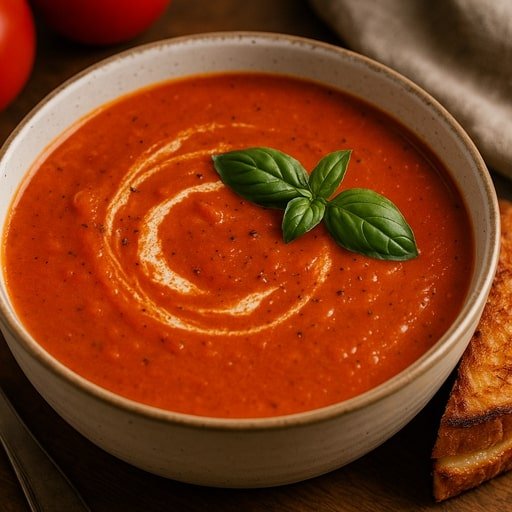
Pairings elevate the experience further. In the United States, grilled cheese sandwiches have become inseparable companions, their crisp exterior and molten interior providing contrast to the smooth, tangy soup. In Italy, focaccia or garlic bread plays a similar role, reinforcing tomato’s Mediterranean heritage. Each culture identifies a starch or dairy element to complement tomato’s acidity, underlining the soup’s role not just as a standalone dish but as part of a complete sensory experience.
Nutrition enhances appeal. Tomatoes contain vitamins A and C, potassium, and lycopene, an antioxidant linked to heart health. Cooking tomatoes increases lycopene’s bioavailability, making soup a convenient vehicle for wellness. Low in calories yet high in satisfaction, it fits easily into balanced diets. Versions enriched with cream or cheese increase fat, but careful balance allows indulgence without excess. Thus, tomato soup offers not only emotional comfort but also tangible health benefits, making it a rare food that satisfies taste, memory, and wellness simultaneously.
The emotional connection to tomato soup cannot be overstated. For many, it recalls childhood meals, recovery during illness, or family gatherings, embedding flavor with memory. Preparing it at home rekindles these associations, and serving it communicates care more powerfully than words. It is this duality—culinary excellence and emotional symbolism—that explains the soup’s enduring place in kitchens worldwide.
Modern kitchens keep tradition alive with innovation. High-speed blenders, pressure cookers, and immersion devices make achieving silky textures or rapid simmering accessible even to novices. Vegan or dairy-free adaptations rely on cashews, coconut milk, or plant-based creams to mimic richness without animal products. Spices from global cuisines allow endless reinvention, ensuring that no two tomato soup recipes need be identical. This adaptability guarantees relevance in contemporary cooking, bridging nostalgia and innovation seamlessly.
Leftovers, far from being an afterthought, often taste even better as flavors meld overnight. Stored properly, tomato soup develops richness and harmony, making it more rewarding on the second day. Gentle reheating avoids separation, and garnishing with fresh herbs revives aroma. Preparing large batches becomes practical, aligning with modern schedules while preserving artisanal quality. In this way, tomato soup fits neatly into the rhythm of busy lives without losing its timeless identity.
Ultimately, the tomato soup recipe embodies the harmony of modest ingredients elevated through care. Its power lies not in extravagance but in respect for simplicity. By balancing acidity with sweetness, texture with smoothness, and tradition with innovation, the cook creates more than nourishment. They create comfort, memory, and a timeless reminder that culinary depth often springs from the simplest of sources.
Tomato Soup and Classic Soup Recipe Traditions
Tomato soup occupies a unique position among global soup recipes, bridging simplicity and sophistication with a versatility few other dishes achieve. While many soups rely on complex stocks or expensive proteins, tomato soup highlights accessibility: a humble fruit transformed through skill into an enduring staple. Its role across cultures reflects adaptability, as tomatoes, once introduced from the New World, became integral to kitchens worldwide. This history influences both flavor and perception, turning tomato soup into a culinary symbol as well as a practical meal.
In Western Europe, the soup found early popularity by pairing tomatoes with herbs and dairy, creating creamy versions that became restaurant staples. In Britain, tomato soup gained industrial fame through canned versions, making it a household product and embedding it into collective memory. The industrialization of tomato soup recipe did not erase its homemade appeal but rather expanded its presence, allowing it to thrive in both domestic and commercial contexts. This dual identity illustrates its broad cultural impact.
Meanwhile, Mediterranean countries approached tomato soup differently. In Italy, minestrone sometimes leans tomato-forward, combining beans and pasta with the tang of ripe fruit. Spanish gazpacho, served cold, became a summer necessity. These versions highlight climate and resource adaptation, showing how tomato soup recipe evolves to match environment. In warmer regions, chilled soups prevail; in colder climates, hot and hearty versions dominate. Geography shapes flavor while preserving the tomato as anchor.
Eastern European traditions integrate tomato soup into heartier frameworks. In Russia and Poland, grains such as barley or rice extend the dish into a full meal, while dill or sour cream shifts the balance toward tangy, herbal flavors. This demonstrates another principle of global soup recipes: local staples merge seamlessly with imported tomatoes, blending novelty and heritage. Over time, these regional differences solidified into cultural norms, each shaping expectations of what tomato soup should taste like.
Beyond geography, technique defines identity. Some versions emphasize long simmering for concentration, while others rely on raw or lightly cooked tomatoes for freshness. Smooth purees highlight refinement, while rustic chunks emphasize substance. Soup recipes as a category thrive on contrast, and tomato soup exemplifies this duality. A cook’s decision—whether to strain, blend, or leave texture intact—alters the dish’s character, proving technique matters as much as ingredients.
Nutrition remains central. As part of the broader world of soup recipes, tomato soup excels because it combines hydration, vitamins, and low calorie density. Adding legumes or grains boosts protein and fiber, turning it into a balanced meal. Creamy variations shift nutrition toward indulgence, but even then, the presence of antioxidants ensures benefits remain. Unlike many comfort foods, tomato soup balances nostalgia with genuine health advantages, explaining its enduring appeal across generations.
Symbolism also reinforces its place. Tomato soup is often served to the sick or weary, reinforcing associations with care. Its warmth, acidity, and smoothness comfort the body while the act of serving communicates empathy. Soup recipes as a whole carry similar associations, but tomato soup’s vivid color, tangy flavor, and global availability make it particularly iconic. Food anthropologists identify it as a ritual dish as much as a meal, a way for families to express solidarity through food.
Modern chefs reinterpret tomato soup recipe within fine dining contexts. They employ reduction, foam, or infusion techniques, elevating it from household staple to gourmet offering. This adaptability demonstrates the dish’s elasticity—it can be rustic or refined, homely or haute cuisine. Few other soup recipes navigate such a spectrum while retaining identity. Even when plated with artistic flair, the essence remains tomato-driven comfort.
At home, convenience adaptations continue to expand reach. Pressure cookers and slow cookers provide efficiency, while pre-blended tomato bases offer shortcuts. Yet the spirit of homemade tomato soup recipe persists, reminding cooks that authenticity lies not in laborious steps but in care applied to simple elements. Whether crafted in thirty minutes or simmered all afternoon, its core appeal does not fade.
Ultimately, tomato soup exemplifies the broader truth about soup recipes: they endure because they balance nourishment, flexibility, and emotional resonance. Each bowl tells a story of adaptation—of tomatoes crossing oceans, of cultures reshaping tradition, of cooks choosing methods to suit need. The tomato soup recipe is therefore not only a dish but a testament to the way simple foods carry complex histories, bridging past and present with every spoonful.
Tomato Soup Recipe with Creamy Comfort Food Appeal
Creamy tomato soup represents one of the most beloved variations of the tomato soup recipe, combining the tang of ripe tomatoes with the richness of dairy to create a dish that feels indulgent while retaining balance. Its reputation as comfort food stems from both flavor and symbolism: smoothness soothes the palate, while warmth calms the spirit. To craft creamy tomato soup effectively, the cook must integrate cream as an enhancer rather than an eraser of tomato character. Too much cream mutes acidity, while too little fails to achieve desired silkiness. Achieving equilibrium requires experience, restraint, and understanding of how tomatoes interact with fat.
Roasting tomatoes before blending intensifies sweetness, providing a counterpoint to cream. Garlic, onions, and herbs sautéed beforehand add depth, ensuring the final bowl is layered rather than monotonous. Once blended, the addition of cream or milk smooths texture, creating the velvety consistency people crave. Dairy alternatives such as cashew cream or coconut milk achieve similar results for vegan adaptations, proving the method transcends dietary restrictions. Each variation underscores that the creamy tomato soup style prioritizes mouthfeel and comfort without sacrificing authenticity.
Texture is central. A perfectly creamy tomato soup glides across the tongue, delivering both brightness and indulgence. Achieving this requires proper blending and straining, as lumps or skins disrupt smoothness. Professional kitchens use fine sieves, but home cooks achieve similar results with patience. The attention invested pays off, as texture often determines whether a dish feels refined or unfinished. Creamy versions highlight the artistry of technique as much as the quality of ingredients.
Cultural associations deepen appreciation. In many Western households, creamy tomato soup served with grilled cheese sandwiches defines childhood comfort. The combination of tang, richness, crunch, and melt embodies culinary balance, embedding memory with flavor. This ritual pairing elevates the soup beyond sustenance into tradition, illustrating how context shapes perception. Comfort food, by definition, combines nourishment with nostalgia, and creamy tomato soup exemplifies this duality.
Nutritional aspects complicate the picture. While cream increases calorie and fat content, tomatoes supply antioxidants, vitamins, and minerals that mitigate indulgence. Moderation transforms the dish into balanced comfort, allowing enjoyment without guilt. Alternative preparations, such as using low-fat milk or plant-based creams, accommodate health goals without diminishing satisfaction. Thus, creamy tomato soup retains versatility, adapting to modern concerns while preserving heritage.
Modern chefs experiment with presentation, serving creamy tomato soup in espresso cups as amuse-bouche or infusing it with spices like smoked paprika or chipotle for contemporary flair. These innovations illustrate how tradition and creativity coexist, ensuring the soup remains relevant. Even with gourmet reinterpretations, the heart of the dish remains unchanged: the union of tomato tang and creamy richness.
Leftovers evolve differently in creamy tomato soup compared to clear versions. Dairy content can separate during storage, requiring careful reheating. Gentle heat and constant stirring restore smoothness, proving that technique matters even after initial preparation. Adding fresh herbs or a drizzle of olive oil before serving refreshes flavor, preventing reheated bowls from feeling tired. Thus, creamy tomato soup offers rewards beyond the first serving when treated with respect.
Emotional comfort remains paramount. Serving creamy tomato soup to loved ones communicates care, signaling both nourishment and indulgence. In times of stress, such dishes provide grounding, connecting individuals to memory and stability. Food psychologists argue that creamy textures specifically trigger associations of safety and warmth, explaining why such soups resonate universally. The tomato soup recipe in creamy form, therefore, functions as culinary therapy as much as sustenance.
Practicality keeps it in rotation. Modern appliances simplify preparation, and canned tomatoes provide year-round consistency. These conveniences mean creamy tomato soup can be made any evening without extensive planning, reinforcing its identity as everyday comfort rather than occasional luxury. Accessibility does not diminish value; rather, it strengthens the bond between soup and household routine.
Ultimately, creamy tomato soup exemplifies the intersection of indulgence and restraint. By balancing acidity with fat, smoothness with brightness, and tradition with adaptation, it achieves universality. Each bowl delivers not only flavor but also meaning, reminding us that comfort food is defined less by extravagance than by resonance. In mastering the creamy tomato soup recipe, the cook provides more than a meal—they provide reassurance, continuity, and warmth, distilled into the simplest yet most profound culinary form.
Few dishes have the ability to soothe, nourish, and delight as effortlessly as a bowl of tomato soup. For generations, families across the world have cherished this comfort food, whether served alongside a grilled cheese sandwich, sipped from a mug on a rainy afternoon, or enjoyed as part of an elegant dinner. Its enduring popularity stems from its remarkable balance of simplicity and depth. The tomato soup recipe has evolved through countless interpretations, from rustic farmhouse kitchens to fine dining restaurants, each one celebrating the fruit’s natural sweetness and acidity while adding layers of flavor.
The foundation of any great tomato soup recipe begins with the tomatoes themselves. Ripe, juicy varieties yield a rich and robust flavor that forms the base of the dish. Some cooks swear by fresh summer tomatoes, slowly roasted to intensify their natural sugars, while others prefer canned San Marzano tomatoes for consistency and depth during the off-season. Whichever approach is chosen, the quality of the tomatoes dictates the character of the final soup, reminding us that great cooking always starts with excellent ingredients.
Onions, garlic, and herbs provide the supporting cast that enhances the tomatoes’ natural brightness. A slow sauté of aromatics in olive oil or butter lays a flavorful foundation, while additions like basil, thyme, or bay leaf bring depth and fragrance. Carrots or a touch of sugar balance acidity without overwhelming, while vegetable or chicken stock provides body. In traditional versions, these elements are simmered gently, allowing the flavors to meld harmoniously. The tomato soup recipe demonstrates the art of patience, where low and slow cooking transforms simple produce into something extraordinary.
Texture is another defining element. For some, the ideal tomato soup is silky and smooth, achieved through careful blending and straining. For others, a chunkier version, studded with bits of tomato and vegetables, feels more rustic and satisfying. Cream adds richness for those seeking indulgence, while coconut milk provides a dairy-free alternative with subtle sweetness. Each choice reflects the cook’s intent, ensuring that no two bowls are ever quite the same. This adaptability has made tomato soup a favorite across cultures, constantly reshaped by individual preferences.
Cultural variations add even more diversity. In Spain, gazpacho — a cold, raw tomato soup — provides refreshing relief during hot summers. In India, versions often feature warming spices such as cumin, coriander, and ginger, turning the soup into a fragrant and invigorating dish. In Italy, pappa al pomodoro thickens tomato soup with bread for a hearty, rustic meal. These global interpretations showcase the flexibility of the tomato soup recipe, proving that it can be as light, hearty, or complex as the occasion requires.
Nutrition also contributes to its reputation as a staple. Tomatoes are packed with vitamins A and C, along with lycopene, an antioxidant linked to numerous health benefits. When simmered and blended, these nutrients remain largely intact, making tomato soup both comforting and nourishing. Paired with whole-grain bread or fresh greens, it can form the basis of a balanced meal. The tomato soup recipe demonstrates that healthy eating need not sacrifice flavor, offering a dish that satisfies cravings while supporting wellness.
Beyond its nutritional value, tomato soup carries emotional weight. For many, it recalls childhood lunches, sick days spent at home, or cozy evenings with loved ones. Its aroma and flavor trigger nostalgia, creating a sense of comfort and belonging. That emotional connection elevates the dish beyond simple sustenance, turning it into a ritual that provides reassurance and warmth. This is why so many families guard their own cherished version of the tomato soup recipe, each one infused with personal history and meaning.
The digital era has amplified tomato soup’s popularity, with food blogs, social media, and cooking shows showcasing countless variations. From minimalist three-ingredient approaches to gourmet interpretations with roasted garlic and fresh cream, there is a version for every palate and skill level. Video tutorials guide beginners through the basics, while advanced cooks explore smoked tomatoes, exotic spices, or fusion twists. This constant reinvention ensures that the tomato soup recipe remains a vibrant part of culinary culture, never stagnant and always evolving.
Restaurants, too, recognize its appeal. Many elevate tomato soup into a gourmet starter, pairing it with artisan breads, infused oils, or cheese crisps. Seasonal menus feature heirloom tomatoes in summer or roasted root vegetables in winter, keeping the dish fresh and relevant. The ability of a humble soup to appear in both casual diners and fine dining establishments speaks volumes about its versatility and universal charm. For chefs and home cooks alike, it remains a canvas for creativity and expression.
Practicality plays a role as well. Tomato soup is one of the most economical dishes to prepare, relying on inexpensive ingredients readily available year-round. Its ease of preparation makes it a reliable choice for busy households, while its forgiving nature allows beginners to experiment without fear of failure. Whether cooked in a large pot for a family gathering or portioned into freezer-friendly containers for future meals, the tomato soup recipe proves its value as a reliable, adaptable staple for everyday life.
Looking to the future, sustainability is shaping how people approach this beloved dish. Chefs and home cooks are increasingly focused on sourcing organic, locally grown tomatoes, reducing food waste, and experimenting with plant-based pairings. These practices not only preserve the environment but also enrich flavor and freshness. The tomato soup recipe, once born out of necessity and thrift, now stands as a symbol of conscious cooking, reminding us that small choices in the kitchen can contribute to broader change.
Ultimately, the enduring magic of tomato soup lies in its ability to be both simple and profound. It is a dish that comforts in its most basic form yet continues to inspire innovation across cultures and generations. The tomato soup recipe connects past and present, tradition and creativity, nourishment and joy. With every steaming bowl, it reinforces the truth that the best foods are those that speak to both the body and the heart, offering sustenance, comfort, and timeless pleasure.