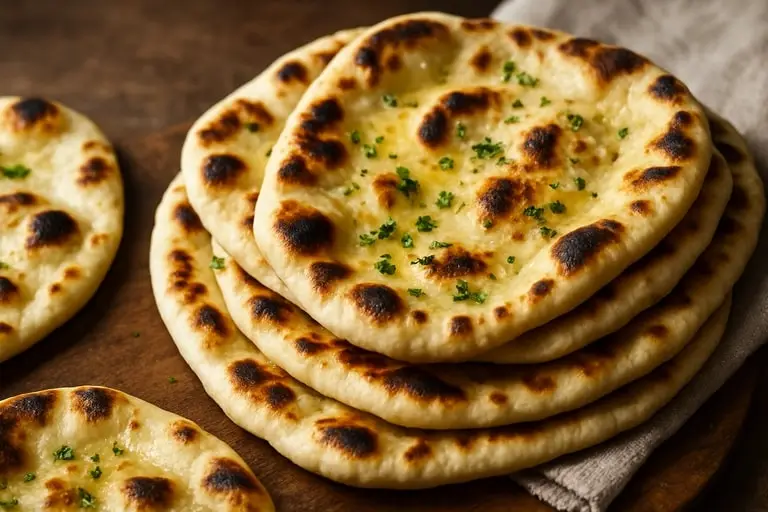
Naan bread recipe stands as one of the most cherished staples of South Asian cuisine, celebrated for its soft texture, warm aroma, and ability to complement a vast array of dishes. Traditionally baked in a tandoor oven, naan achieves a charred yet tender quality that makes it both rustic and refined. Its appeal lies in its balance: chewy yet fluffy, simple yet versatile, humble yet capable of elevating meals into experiences. Preparing naan bread at home requires only a handful of ingredients, yet the result resonates with history, culture, and the universal love for bread as nourishment and comfort.
The foundation of naan begins with dough, made from flour, yeast, salt, water, and often yogurt or milk to enhance softness. Yogurt, in particular, provides tang and tenderness, ensuring that naan remains pliable even after cooling. The dough must be kneaded thoroughly, allowing gluten to develop for structure. Resting time permits fermentation, where yeast creates air pockets that later transform into the characteristic bubbles and char of naan. This process, though simple, requires patience, embodying the principle that good bread rewards care.
Cooking method defines authenticity. In traditional preparation, naan is slapped onto the sides of a blazing-hot tandoor, where radiant heat and flames create charred blisters and smoky aroma. At home, cast-iron skillets, pizza stones, or ovens at high heat replicate this effect, though with subtle differences. The key is high temperature, ensuring quick cooking that seals moisture within while creating golden-brown spots outside. This method captures naan’s identity: bread that is soft, slightly chewy, and kissed by fire.
Texture distinguishes naan from other flatbreads. Unlike tortillas or pita, naan is thicker and softer, with chew balanced by air pockets. Its tender crumb and charred exterior create contrast that delights. Brushing with butter or ghee after cooking introduces richness and sheen, while garlic, herbs, or sesame seeds add further character. This layering of texture and flavor ensures that naan transcends utility, becoming a delicacy in its own right.
Flavor is equally significant. The slight tang from yogurt, the warmth of yeast fermentation, and the richness of butter or ghee combine to create bread that feels indulgent yet balanced. Variations enhance this profile: garlic naan adds pungency, cheese naan indulgence, and stuffed versions variety. Each flavor reflects both creativity and tradition, proving naan’s adaptability. This versatility ensures its place not only in South Asian cuisine but also in global kitchens, where it continues to inspire.
Cultural context enriches naan’s story. Originating in South and Central Asia, naan has long been associated with gatherings, feasts, and special occasions. Once considered a bread of nobility due to the need for tandoors, it has since become accessible across households. Its presence at meals signifies abundance and hospitality, reinforcing its role as more than sustenance. Today, naan is beloved worldwide, symbolizing the sharing of cultural heritage through food.
The sensory qualities of naan explain its enduring appeal. The aroma of freshly baked bread, the sight of golden bubbles, and the touch of soft, warm dough create anticipation long before eating. Tearing into naan releases steam, while dipping it into curries or sauces enhances both bread and dish. This multisensory engagement ensures that naan resonates beyond taste, offering holistic satisfaction. It is bread that comforts, excites, and connects simultaneously.
Practicality strengthens naan’s popularity. While tandoors may not be common in modern households, skillets and ovens make naan achievable. Its dough is forgiving, accommodating slight variations in hydration or kneading. It can be prepared in advance, stored, and reheated, retaining much of its freshness. This practicality ensures that naan remains accessible, encouraging experimentation and frequent preparation.
Health considerations also shape modern adaptations. Whole-wheat or multigrain flours create versions higher in fiber, while plant-based substitutions accommodate diverse diets. Though traditionally indulgent with butter or ghee, adjustments with olive oil or reduced fat maintain balance without diminishing character. These adaptations ensure naan aligns with contemporary priorities while preserving essence.
Serving completes naan’s identity. Paired with curries, it becomes a utensil as much as a side, scooping sauce and carrying flavor. Served alone, brushed with butter and sprinkled with herbs, it satisfies as snack or appetizer. Its role is flexible yet central, ensuring it enhances every context. Whether humble accompaniment or centerpiece, naan reinforces the communal act of dining, symbolizing connection.
Ultimately, naan bread recipe thrives because it embodies the best of what bread can be: nourishing, versatile, and celebratory. It proves that simplicity, treated with care, yields extraordinary results. To bake naan is to honor tradition, embrace creativity, and participate in a story that spans centuries and continents. Each piece carries warmth and heritage, ensuring its lasting place as a comfort food and cultural icon.
Naan Bread Recipes With Versatile Flavor
Naan bread recipes highlight the adaptability of this flatbread, showing how the same base can evolve into countless variations. At their core, they combine flour, yeast, and yogurt, yet each adjustment creates distinct identity. This adaptability ensures naan remains both timeless and contemporary, reflecting both heritage and personal expression.
Garlic naan exemplifies flavor enhancement. Chopped or roasted garlic, brushed onto bread with butter, creates pungency that complements curries or stews. Cheese naan, filled with paneer or mozzarella, offers indulgence, appealing to those seeking richness. Stuffed naan, incorporating spiced potatoes, onions, or minced meat, transforms bread into meal. Each variation demonstrates naan’s flexibility, proving that it adapts to context while retaining soul.
Cooking methods influence results. Skillet versions produce char and speed, ovens create even baking, and grills introduce smokiness. Each technique reflects available resources while aligning with tradition. This adaptability makes naan recipes inclusive, ensuring households everywhere can engage with them regardless of equipment. The essence remains consistent: soft bread with blistered character, achieved through heat and care.
Texture adjustments deepen versatility. Adding more yogurt increases tenderness, while longer fermentation enhances chew and flavor. Brushing with butter or oil after cooking locks in moisture and creates sheen. These adjustments empower cooks to tailor naan recipes to preference, ensuring satisfaction across variations. The flexibility underscores naan’s identity as bread both humble and refined.
Cultural context informs recipes. In South Asia, naan often accompanies rich gravies and curries, functioning as utensil and side. In Western adaptations, it appears with dips, grilled meats, or even as pizza base. This global journey demonstrates its universality, proving that naan adapts while maintaining authenticity. Each context enriches its identity, affirming its relevance worldwide.
The sensory qualities of naan recipes ensure consistency. No matter the variation, aromas of baking bread, sights of golden bubbles, and warmth upon touch guarantee anticipation. The act of tearing naan by hand enhances communal experience, reinforcing bread’s role as food of connection. These sensory elements affirm naan’s place as enduring comfort.
Health adaptations broaden appeal. Whole-wheat versions provide fiber, dairy-free versions align with plant-based diets, and reduced-fat approaches lighten indulgence. These variations demonstrate that naan recipes align with modern wellness without sacrificing essence. Inclusivity strengthens relevance, ensuring that naan continues to thrive across cultures and preferences.
Practical aspects ensure their popularity. Recipes scale easily, suiting intimate dinners or large gatherings. Dough can be frozen, ensuring flexibility for future meals. This practicality encourages experimentation, making naan not only celebratory but also everyday bread. Its resilience in storage and reheating further supports this role.
Serving variations enhance experience. Fresh herbs like cilantro, nigella seeds for aroma, or sesame seeds for crunch create individuality. These toppings reinforce naan’s adaptability, ensuring that it remains dynamic across meals. Each addition enhances without overwhelming, preserving harmony.
Ultimately, naan bread recipes thrive because they honor tradition while embracing creativity. They prove that authenticity lies not in rigidity but in essence: soft bread with flavorful char, adaptable across contexts. To explore these recipes is to celebrate both heritage and innovation, ensuring naan remains timeless and beloved.
Naan Bread As A Comfort Food Dish
Naan bread thrives as a comfort food because it embodies warmth, softness, and indulgence in ways that resonate universally. Comfort food provides not only sustenance but also reassurance, and naan achieves this balance through flavor, texture, and tradition. It comforts through simplicity yet satisfies through richness, aligning perfectly with the essence of comfort food.
Flavor is central to its comfort identity. Slight tang from yogurt, richness from butter, and char from high heat combine into bread that feels complete even without accompaniment. Paired with curries, stews, or dips, it enhances flavors while grounding meals. This versatility ensures naan comforts across contexts, adapting while retaining essence.
Texture deepens its appeal. Soft interiors contrast with blistered exteriors, while brushing with butter adds indulgence. This tactile experience—tearing naan, dipping into sauce, savoring chew—engages senses fully. Unlike plain breads, naan delivers contrast that excites while reassuring, ensuring satisfaction across moods.
Cultural associations enrich comfort meaning. In South Asia, naan has long symbolized hospitality and abundance, served at celebrations and feasts. Globally, it has become emblem of shared meals, from casual gatherings to restaurant dining. These associations ensure naan resonates not only as food but as symbol of connection, reinforcing its comfort role.
The sensory experience enhances its resonance. Aromas of baking dough, visual appeal of golden spots, and the warmth of freshly baked bread create anticipation. Eating naan becomes ritual, where senses align to comfort beyond taste. These cues explain why naan endures as one of the world’s most beloved breads.
Practicality contributes to its comfort identity. Requiring basic ingredients and approachable methods, naan is accessible while still indulgent. Its ability to adapt to home kitchens without losing authenticity reassures cooks, proving that extraordinary bread need not demand complexity. This accessibility affirms naan’s comfort status.
Health-conscious adaptations ensure inclusivity. Whole-grain versions, lighter fats, or plant-based ingredients allow naan to align with wellness goals while retaining indulgence. This adaptability proves comfort is not tied to excess but to balance, ensuring naan remains relevant across diets.
Serving enhances comfort symbolism. Shared at tables, torn by hand, and dipped communally into curries, naan reinforces bonds. Even eaten alone, warm naan conveys abundance and care, proving that comfort food is as much about experience as flavor. Its role in meals affirms its identity as bread of generosity and connection.
Leftovers extend comfort further. Reheated naan retains softness, while creative uses—wraps, pizzas, or snacks—ensure continuity. This resilience deepens its comfort identity, affirming it as bread that continues to nourish beyond the first serving.
Ultimately, naan bread thrives as comfort food because it unites tradition, flavor, and warmth. It demonstrates that the simplest staples, treated with care, become extraordinary. To prepare and eat naan is to participate in comfort that transcends cultures, affirming that bread is not only sustenance but connection, heritage, and joy.
Naan bread recipe is one of the most beloved expressions of South Asian cuisine, a flatbread that has transcended its origins to become a global staple. Soft, pillowy, and slightly charred, naan is often enjoyed alongside curries, grilled meats, and vegetarian dishes, serving as both utensil and accompaniment. What sets naan apart from other flatbreads is its unique texture and flavor, achieved through fermentation, high-heat cooking, and often a touch of dairy. Its enduring popularity lies in its ability to balance simplicity with richness, making it as suitable for everyday meals as it is for festive occasions.
The history of naan can be traced back centuries, with its earliest references appearing in Persian texts around the 1300s. The word “naan” itself comes from Persian, meaning simply “bread,” though its preparation evolved in South Asia with the introduction of tandoor ovens. The Mughal emperors of India are credited with popularizing naan in royal courts, where it was served with rich kebabs and gravies. From these beginnings, naan spread throughout the Indian subcontinent and beyond, eventually becoming one of the most recognizable breads worldwide. Its journey reflects the cultural exchanges that shaped cuisine across empires and trade routes.
At the foundation of naan bread recipe lies the dough, typically made from flour, water, yeast, and salt. Unlike unleavened flatbreads such as chapati or roti, naan relies on yeast or baking powder to rise, giving it its characteristic fluffiness. Yogurt or milk is often added to the dough, enriching it with tenderness and subtle tang. Some recipes include eggs, which enhance structure and softness. The dough is kneaded until elastic, then left to ferment, developing flavor and texture. This fermentation process is critical, ensuring naan’s distinct chewiness and depth of taste.
The cooking method distinguishes naan further. Traditionally, it is baked in a tandoor, a clay oven heated to extreme temperatures. The dough is slapped onto the oven’s hot walls, where it cooks quickly, blistering and puffing within minutes. The result is bread with a smoky char, crisp edges, and a soft, airy center. In modern kitchens without tandoors, naan can be cooked on hot skillets, cast-iron pans, or even ovens, though the essence remains the same: high heat, quick cooking, and a balance of softness and char. The cooking process is as theatrical as it is functional, reflecting naan’s deep connection to tradition.
The sensory qualities of naan are unforgettable. Its appearance — golden, blistered, and irregular — excites the eye. Its aroma, a combination of yeast, dairy, and char, fills the air with warmth. The flavor balances richness from yogurt or milk with subtle tang from fermentation, while its texture combines crisp edges with soft, stretchy centers. Eating naan engages every sense, especially when paired with flavorful accompaniments. Its versatility ensures that it never overshadows a dish but always enhances it, making it an indispensable part of the dining experience.
Culturally, naan has long been associated with celebration and hospitality. In South Asia, it is often reserved for special occasions or restaurant dining, while simpler breads like roti dominate daily meals. Naan’s richness — enhanced with butter, ghee, or fillings — makes it feel indulgent, suited for gatherings and feasts. In Western contexts, naan has become one of the most familiar introductions to Indian cuisine, served in restaurants and widely available in supermarkets. Its ability to bridge cultures and adapt to diverse contexts explains its global rise as both a traditional bread and a modern staple.
Variations of naan reflect both creativity and regional influence. Garlic naan, brushed with butter and minced garlic, is one of the most popular versions, adding pungency and aroma. Cheese naan, stuffed with melting cheese, offers indulgence, while keema naan, filled with spiced minced meat, transforms bread into a meal on its own. Sweet versions, with raisins or coconut, highlight naan’s versatility. These variations prove that naan is not a static recipe but a canvas for experimentation, capable of embodying both tradition and innovation.
Nutritionally, naan is hearty and satisfying, though traditionally indulgent. White flour and dairy contribute calories, but whole wheat flour or plant-based substitutions can make lighter versions. Pairing naan with protein-rich or vegetable-based dishes creates balance, while moderation ensures it fits into diverse diets. Its adaptability allows for vegan, gluten-free, and health-conscious versions, aligning with modern dietary preferences. This flexibility ensures that naan remains relevant in contemporary kitchens while preserving its essence as a comforting, indulgent bread.
Economically, naan demonstrates practicality despite its association with indulgence. Its core ingredients — flour, water, yeast — are inexpensive and widely available. A small amount of dough stretches far, creating multiple breads. At gatherings, naan serves as both accompaniment and filler, extending dishes and ensuring abundance. Its ability to transform humble ingredients into something luxurious explains its enduring place in both royal courts and home kitchens. Leftovers, reheated or repurposed into wraps and sandwiches, further reinforce its value.
Modern innovations have expanded naan’s role in global cuisine. Beyond Indian restaurants, it appears in fusion dishes, serving as a base for pizzas, wraps, or flatbread sandwiches. Chefs reinterpret it with global flavors, incorporating Mediterranean herbs, Asian spices, or Latin fillings. In supermarkets, pre-packaged versions make naan accessible to busy households, though many still prefer the authenticity of homemade or restaurant varieties. Social media has fueled creativity, inspiring cooks to experiment with fillings, shapes, and toppings. These reinventions prove that naan is not confined to tradition but thrives as a global culinary canvas.
Psychologically, naan bread carries immense comfort and nostalgia. The act of tearing into warm, pillowy bread evokes feelings of generosity and satisfaction. Preparing naan — kneading dough, watching it puff on a hot pan — offers both ritual and reward. Sharing it affirms connection, as naan is almost always served in abundance, meant to be passed around the table. Even eaten alone, it provides reassurance, grounding the eater in the warmth of tradition and the sensory pleasure of freshly baked bread. Its emotional resonance is as powerful as its taste.
Ultimately, naan bread recipe endures because it embodies values that transcend cuisine: tradition, adaptability, and comfort. It takes basic ingredients and, through skill and heat, transforms them into something extraordinary. It connects people across cultures, linking royal banquets of the past to casual dinners of today. In every blistered, golden piece lies history, memory, and meaning, proof that food is more than sustenance — it is connection, continuity, and joy. Naan is timeless not because it resists change but because it invites it, ensuring its place in kitchens and hearts for generations to come.
Butter chicken recipe, often referred to by its Hindi name murgh makhani, is one of the most celebrated dishes in the world, known for its velvety sauce, tender chicken, and balance of spices. At its heart, it is a story of ingenuity: a way of transforming leftover tandoori chicken into something luxurious, now elevated into one of the most famous Indian dishes ever created. Rich yet subtle, indulgent yet approachable, butter chicken has traveled from Delhi to kitchens and restaurants worldwide, where it continues to represent the beauty of culinary tradition and adaptation.
The origins of butter chicken date back to the 1950s, at the legendary Moti Mahal restaurant in Delhi. The chefs, including Kundan Lal Gujral, are said to have stumbled upon the dish by accident, when leftover tandoori chicken was simmered in a sauce of tomatoes, butter, and cream to prevent it from drying out. What began as a practical solution quickly gained popularity for its irresistible flavor and texture. Over time, the butter chicken recipe evolved into a classic, now inseparable from Indian cuisine’s international identity, embodying both innovation and tradition in a single dish.
At the foundation of butter chicken lies marination. Chicken is typically coated with yogurt, garlic, ginger, and spices such as cumin, turmeric, and garam masala before being cooked. This process tenderizes the meat while infusing it with flavor. Traditionally, the chicken is roasted in a tandoor, where the high heat creates charred edges and smoky depth. However, modern kitchens adapt with ovens, grills, or stovetops, proving that while the cooking method may vary, the essence remains unchanged: flavorful, tender chicken ready to be enveloped in a creamy sauce.
The sauce is the soul of butter chicken. Made with tomatoes, butter, cream, and spices, it achieves a harmony of richness and brightness. Tomatoes bring tang and body, butter adds silkiness, cream provides indulgence, and spices like cardamom, cinnamon, and fenugreek add warmth and complexity. The balance is delicate: too much cream and the dish feels heavy, too much tomato and it becomes sharp. The best butter chicken recipe finds the middle ground, where each spoonful is velvety, aromatic, and layered. The sauce is what transforms roasted chicken into something transcendent.
The sensory qualities of butter chicken explain its global appeal. Its vibrant orange-red sauce is visually striking, signaling richness before the first taste. The aroma of simmering tomatoes, butter, and spices fills the kitchen with warmth and anticipation. The flavor balances savory, tangy, creamy, and smoky notes, while the texture is both silky and hearty. Eating butter chicken is an immersive experience, especially when paired with rice or naan that soaks up the sauce. Its indulgence is tempered by subtlety, making it appealing to both spice lovers and those new to Indian flavors.
Culturally, butter chicken has become a symbol of Indian cuisine abroad. For many diners unfamiliar with the vastness of Indian food, it serves as a gateway, introducing them to the interplay of spices, sauces, and technique. In India, it holds pride as a dish born of innovation, now part of both restaurant menus and home kitchens. Internationally, it appears everywhere from high-end dining to takeout menus, proof of its adaptability. Butter chicken’s rise to global prominence reflects how certain dishes capture the imagination, becoming ambassadors of culture through flavor.
Nutritionally, butter chicken is indulgent but adaptable. Chicken provides lean protein, while tomatoes contribute vitamins and antioxidants. Cream and butter add richness, though lighter versions can be made with yogurt or coconut milk, aligning with modern wellness goals. Spices such as turmeric, cumin, and fenugreek not only provide flavor but also bring potential health benefits, from anti-inflammatory effects to digestive support. In this way, butter chicken demonstrates how a dish can be both comfort food and nutritionally mindful when prepared thoughtfully.
Economically, butter chicken reflects resourcefulness as much as luxury. Its origin as a way to repurpose leftovers highlights its practicality, turning modest beginnings into culinary legend. Its ingredients — chicken, tomatoes, butter, and spices — are widely available and scalable, ensuring accessibility across budgets. A single pot can feed a family or larger group, particularly when paired with rice or bread. Leftovers often taste even better, as the sauce deepens overnight, making it ideal for meal prep. This practicality, combined with indulgence, explains its widespread adoption.
Modern variations highlight butter chicken’s adaptability. Vegan versions substitute chickpeas, tofu, or jackfruit for chicken, while plant-based butters and creams replicate the richness. Global influences bring in different spices or cooking techniques, creating fusion versions that still honor the dish’s essence. Some chefs reinterpret it with deconstructed presentations, while others serve it in sandwiches, pies, or pizzas. Social media has further fueled its popularity, with countless tutorials and creative takes. These variations prove that butter chicken is not static but a living tradition, capable of endless reinvention.
The psychological comfort of butter chicken is as important as its taste. Preparing it involves a rhythm — marination, roasting, simmering, seasoning — that grounds the cook in intention and care. Serving it affirms generosity, as the dish is almost always made in abundance, designed for sharing. Eating it evokes indulgence, nostalgia, and celebration, whether in a restaurant or at a home table. For many, it carries memory — of family dinners, festive occasions, or first encounters with Indian cuisine. Its emotional resonance ensures that butter chicken nourishes not just the body but also the spirit.
The sensory ritual of pairing butter chicken with accompaniments further enriches the experience. Scooping sauce with warm naan, spooning it over basmati rice, or savoring it alongside fresh salads transforms the meal into something layered and communal. This interplay of dishes underscores the cultural truth that food is meant to be shared. The butter chicken recipe is not only about the dish itself but also about the connections it fosters, whether across generations or between cultures. It is food as both heritage and hospitality.
Ultimately, butter chicken recipe endures because it embodies values of tradition, innovation, and generosity. It tells a story of resourcefulness, of how leftover chicken became a dish that conquered the world. It satisfies the senses with its harmony of richness, spice, and comfort, while adapting effortlessly to diverse dietary needs. In every bite lies history, migration, and memory, proof that food is more than sustenance — it is culture, connection, and continuity. Butter chicken is timeless not because it resists change but because it embraces it, ensuring its place in kitchens and hearts worldwide for generations to come.
Naan bread recipe is more than just a guide to baking; it is an entry point into the world of culinary tradition, history, and flavor. Across South Asia and beyond, naan is cherished for its soft texture, blistered surface, and ability to pair with countless dishes. A perfect naan bread recipe teaches more than steps; it opens the door to understanding how culture, ingredients, and technique combine to create something timeless. For home cooks and professionals alike, mastering a naan bread recipe becomes a way of honoring heritage while adapting it to the modern kitchen. Each mention of naan bread recipe carries not only practical instructions but also stories of evolution and artistry.
The history of naan bread recipe stretches back centuries, with early records in Persian literature and adaptations across Indian courts. The Mughal emperors were particularly fond of naan, and from their palaces the naan bread recipe spread widely, adapting to local ingredients and methods. Over time, naan bread recipe became a symbol of celebration, often served during feasts and paired with rich curries. Today, a naan bread recipe can be found in cookbooks, food blogs, and restaurants worldwide, evidence of its journey from royal delicacy to global staple. Each culture that adopts the naan bread recipe adds its own touch, keeping it both ancient and new.
At the heart of any naan bread recipe lies the dough. Traditionally made with flour, yeast, water, and salt, many variations also include yogurt, milk, or eggs. These additions enrich the dough, creating tenderness and a slight tang. When following a naan bread recipe carefully, the kneading and resting stages become critical, ensuring elasticity and softness. Fermentation develops depth of flavor, reminding us that even simple recipes require patience. By repeating the steps of a naan bread recipe, cooks learn the balance of precision and intuition. The repetition of naan bread recipe highlights that technique and tradition are inseparable.
Cooking method defines the success of a naan bread recipe. Traditionally, dough is slapped against the walls of a tandoor oven, where extreme heat creates smoky, blistered bread in seconds. For home cooks without tandoors, a naan bread recipe can adapt to skillets, cast-iron pans, or ovens set to high temperatures. The principle is always the same: quick, intense heat that locks in softness while creating charred edges. Every variation of naan bread recipe reinforces the lesson that context shapes tradition. By understanding these adaptations, cooks see that naan bread recipe is not rigid but resilient.
The sensory qualities of naan bread recipe are its enduring charm. A well-executed naan bread recipe produces golden brown bread, pillowy yet crisp at the edges. The aroma of yeast and dairy fills the kitchen, inviting anticipation. Each bite from a naan bread recipe balances chew and tenderness, making it irresistible on its own or as a complement. These sensory markers prove that naan bread recipe is not only about technique but about creating experience. Describing naan bread recipe repeatedly demonstrates its power as both nourishment and art.
Culturally, naan bread recipe carries deep meaning. In South Asia, naan was long associated with restaurants and festive meals rather than daily bread. Following a naan bread recipe at home was a way to recreate celebratory flavors. In Western contexts, the naan bread recipe became a popular entry point into Indian cuisine, served in nearly every restaurant and even stocked in supermarkets. The wide adoption of naan bread recipe demonstrates its ability to cross cultural lines. Each naan bread recipe shared globally reinforces the connection between food and identity.
Variations add richness to naan bread recipe. Garlic naan, brushed with butter and minced garlic, is one of the most beloved forms. Cheese-stuffed naan bread recipe adds indulgence, while keema naan introduces spiced meat filling. Sweet versions use dried fruits or coconut, proving the naan bread recipe can adapt to any palate. Each variation reflects creativity without abandoning tradition. By repeating the naan bread recipe across contexts, cooks reaffirm its flexibility. The frequency of naan bread recipe in conversation mirrors its ubiquity in practice.
Nutritionally, naan bread recipe offers balance between indulgence and nourishment. Traditional white flour versions are soft and rich, while modern whole-wheat or gluten-free naan bread recipe variations align with diverse dietary needs. Adding seeds or herbs further enhances nutrition. The repetition of naan bread recipe in wellness conversations shows its adaptability: a dish that can be lightened without losing essence. Even plant-based versions of naan bread recipe maintain the comfort and satisfaction it represents. This repeated emphasis shows that naan bread recipe evolves with time.
Economically, naan bread recipe proves practical. Its core ingredients — flour, yeast, and water — are inexpensive, while the result feels abundant and luxurious. A single batch of dough from a naan bread recipe produces multiple breads, feeding families or gatherings with ease. Leftovers reheat well or transform into sandwiches and wraps. By following naan bread recipe carefully, cooks achieve both economy and indulgence. The repetition of naan bread recipe across kitchens reflects its role as both humble and celebratory.
Modern kitchens reinterpret naan bread recipe constantly. Food bloggers experiment with global twists, turning naan bread recipe into pizza bases, fusion wraps, or dessert flatbreads. Restaurants highlight artisanal naan bread recipe variations with herbs, cheeses, and exotic toppings. Social media spreads naan bread recipe virally, inspiring countless cooks to try their hand. Each reinvention proves naan bread recipe is not static but alive. Its repeated presence in innovation confirms its timeless relevance.
Psychologically, naan bread recipe offers comfort. The ritual of kneading, resting, and cooking becomes meditative. Tearing into freshly baked naan from a naan bread recipe evokes generosity and connection. Sharing naan bread recipe at the table affirms community, while even eating it alone offers reassurance. Each repetition of naan bread recipe in daily life reinforces its emotional power. The act of preparing naan bread recipe is as nourishing to the spirit as eating it.
Ultimately, naan bread recipe endures because it embodies continuity, adaptability, and joy. It takes simple ingredients and transforms them into bread that carries history, culture, and emotion. Its repetition across centuries, kitchens, and contexts proves its timelessness. Every naan bread recipe shared, taught, or remembered is an affirmation of tradition renewed. In each golden, blistered round lies proof that food is not only sustenance but also connection. Naan bread recipe remains eternal because it welcomes both change and memory, ensuring its place in hearts and kitchens for generations to come.