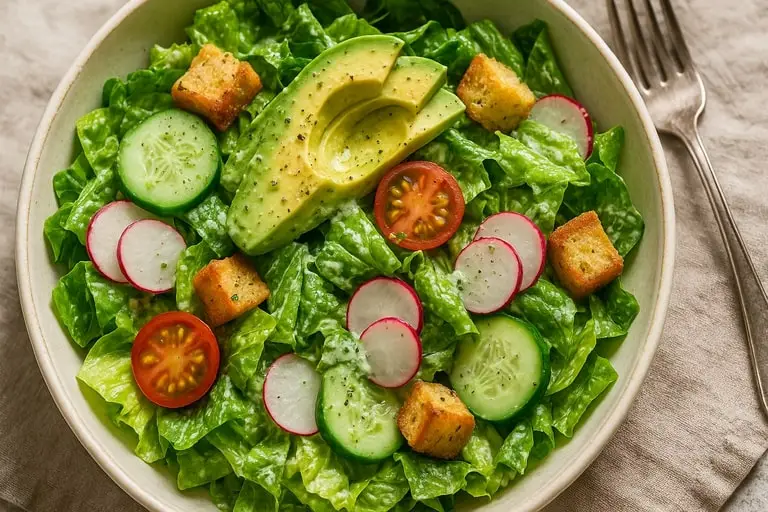
Green goddess salad stands as a timeless combination of crisp vegetables and creamy, herb-packed dressing, offering both indulgence and vibrancy in every bite. Known for its distinctive dressing that blends mayonnaise, sour cream, herbs, anchovies, garlic, and lemon juice, the salad has earned its place as both a culinary classic and a modern wellness favorite. Its name evokes freshness and vitality, reflecting the balance of indulgence and nourishment that defines its character. To prepare green goddess salad is to embrace both heritage and adaptability, creating a dish that feels as appropriate at an elegant dinner as it does at a casual weekday meal.
The hallmark of green goddess salad lies in its dressing. Creamy yet tangy, rich yet refreshing, it unites seemingly contrasting qualities into harmony. Fresh herbs like parsley, tarragon, and chives provide fragrance and complexity, anchovies lend subtle umami depth, and lemon juice brightens the whole. The resulting flavor profile is layered, ensuring that no single note dominates. The dressing embodies the philosophy of balance, proving that richness can coexist with freshness when approached thoughtfully.
Greens form the salad’s canvas. Romaine, butter lettuce, spinach, or even kale can provide the foundation, each offering unique textures and flavors. Crispness ensures structure, while mild flavors allow the dressing to shine. The greens’ freshness contrasts with the dressing’s creaminess, creating a balanced interplay that defines the dish’s appeal. Choosing seasonal greens or combining varieties allows customization, ensuring that each version of green goddess salad feels both familiar and unique.
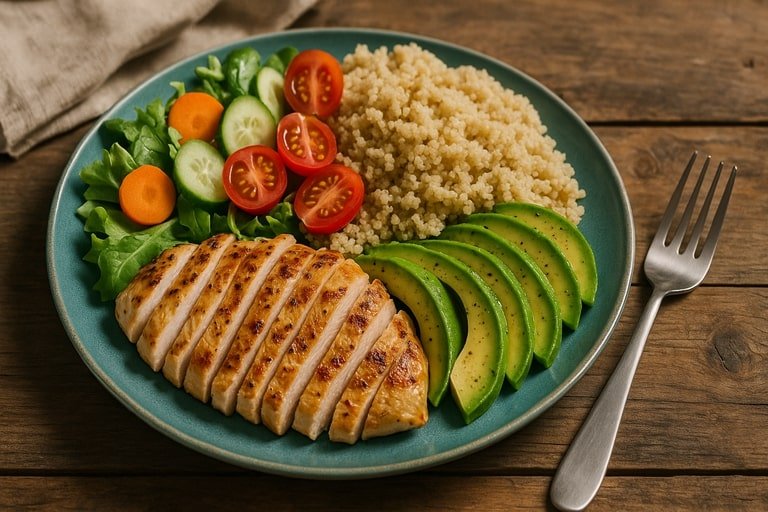
Additional vegetables enhance texture and flavor. Cucumbers contribute coolness and crunch, avocados add creaminess, and radishes introduce peppery brightness. Tomatoes, though less traditional, can lend juiciness and color. These variations showcase the adaptability of green goddess salad, demonstrating how it evolves with personal taste and seasonality. Additions expand complexity while preserving cohesion, reinforcing the salad’s identity as both classic and versatile.
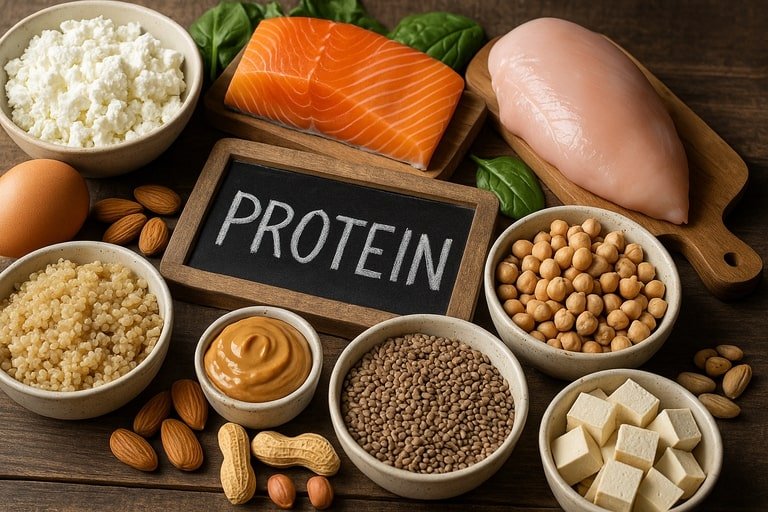
Protein additions can transform green goddess salad into a full meal. Grilled chicken, shrimp, or salmon complement the dressing’s herbaceous richness, while chickpeas or tofu provide plant-based alternatives. These proteins integrate seamlessly, turning a side dish into a substantial entrée without compromising character. This adaptability underscores the salad’s enduring relevance, proving that it can align with diverse dietary preferences while maintaining authenticity.
Texture remains central to its success. Crisp greens, creamy dressing, and optional toppings like nuts or seeds create contrast that engages the senses. Croutons, toasted lightly, add crunch and soak up the dressing, enhancing both texture and flavor. This interplay mirrors the balance inherent in the dish: freshness offset by indulgence, lightness complemented by richness. The salad becomes more than a sum of its parts, achieving satisfaction through thoughtful layering.
Cultural context enriches green goddess salad’s identity. First created in 1920s San Francisco, it reflected the era’s fascination with elegance and innovation in dining. Its longevity attests to its adaptability, as it has been embraced by health-conscious eaters, gourmet chefs, and home cooks alike. The salad’s enduring popularity demonstrates how heritage dishes evolve to meet modern needs, embodying continuity across generations while remaining contemporary.
The sensory appeal of green goddess salad extends beyond flavor. Its vibrant green hues reflect freshness, while aromas of herbs and citrus stimulate anticipation. Each bite delivers layered textures and flavors, from the snap of greens to the creaminess of dressing. The visual and aromatic elements enhance experience, reminding us that food nourishes through multiple senses. This multisensory engagement ensures the dish remains as exciting today as when it was first conceived.
Health benefits support its modern popularity. Herbs provide antioxidants, greens contribute fiber and vitamins, and avocados or other additions deliver healthy fats. Even the dressing, when prepared thoughtfully, can align with wellness goals by moderating portion and using yogurt or lighter ingredients. This blend of indulgence and nutrition makes green goddess salad particularly relevant to contemporary dining, where balance between pleasure and health is prized.
Practicality also sustains its role. The salad can be prepared quickly yet feels sophisticated, making it ideal for both everyday meals and entertaining. Its versatility allows it to serve as appetizer, side, or main course, depending on accompaniments. Leftover dressing doubles as dip or spread, extending its usefulness. This practicality ensures that green goddess salad is not just celebrated but regularly cooked and enjoyed, proving that classics endure because they remain relevant.
Ultimately, green goddess salad thrives because it embodies harmony. It balances creamy indulgence with fresh vibrancy, heritage with modernity, and simplicity with sophistication. To prepare it is to participate in a tradition that values both pleasure and nourishment, creating a dish that satisfies on every level. Each forkful delivers freshness, richness, and care, affirming its place as a salad that is both timeless and timely.
Goddess Salad Recipes With Creamy Dressing
Goddess salad recipes highlight the centrality of dressing, showing how variations on the original formula can adapt the dish to diverse tastes and contexts. The creamy, herb-laden base provides a canvas for exploration, whether by adjusting herbs, altering richness, or incorporating new elements. These recipes showcase the versatility of the green goddess concept, proving that its essence lies not in rigidity but in balance.
The dressing remains the defining element. Traditional versions use mayonnaise and sour cream, but modern adaptations often substitute Greek yogurt for lightness or avocado for plant-based creaminess. Herbs shift with availability: basil adds sweetness, cilantro introduces brightness, dill contributes freshness. Anchovies, while classic, can be replaced with miso or capers for vegetarian versions, ensuring inclusivity. These variations preserve the dressing’s identity while adapting it to evolving tastes.
Greens serve as flexible backdrops. While romaine or butter lettuce remain staples, kale, arugula, or mixed baby greens can create distinctive experiences. Each base influences the salad’s character, with kale providing sturdiness, arugula offering pepperiness, and butter lettuce delivering delicacy. This adaptability proves that goddess salad recipes are not confined but expansive, capable of reflecting individual preference.
Add-ins expand possibilities. Grains like quinoa or farro introduce substance, while roasted vegetables add depth. Nuts and seeds provide texture and nutrition, while cheeses like feta or goat enhance richness. Fruits such as pears or apples can add sweetness, creating contrasts that align with the dressing’s complexity. These additions demonstrate how goddess salad recipes accommodate creativity, encouraging cooks to experiment while maintaining core identity.
Protein integrations ensure heartiness. Chicken, shrimp, or steak elevate the salad into a main course, while beans or tofu support plant-based diets. These additions do not disrupt but enhance the dish, aligning with its philosophy of balance. Goddess salad recipes thrive because they are frameworks rather than fixed rules, empowering adaptation across dietary contexts.
Seasoning fine-tunes results. Salt and pepper remain foundational, but optional chili flakes, citrus zest, or smoked paprika can enhance nuance. Adjusting acidity with lemon, lime, or vinegar alters brightness, proving that small shifts can transform overall character. This attention to detail highlights the artistry of goddess salad recipes, where balance is both science and creativity.
Cultural significance enriches their story. Originally conceived in California, goddess salads have become global, interpreted through local herbs, greens, and traditions. In Mediterranean contexts, parsley and dill dominate, while in Asian adaptations, cilantro and sesame find prominence. These variations underscore the concept’s universality, proving its resonance across cultures.
The sensory qualities of goddess salad recipes remain consistent. Their vibrant colors, herbaceous aromas, and creamy textures ensure that each preparation engages fully. Even as ingredients change, the multisensory appeal remains intact, reinforcing continuity. This resilience affirms why goddess salad recipes endure as both classics and canvases.
Practical benefits strengthen relevance. Quick to prepare yet complex in flavor, goddess salads meet modern needs for meals that are efficient yet satisfying. Leftover dressing ensures versatility, doubling as sandwich spread or dip. This efficiency proves that goddess salad recipes align with contemporary life, where practicality is as valued as pleasure.
Health-conscious adjustments ensure inclusivity. Yogurt-based dressings reduce calories, plant-based versions support vegan diets, and the inclusion of nutrient-dense greens ensures balance. These adaptations highlight how goddess salad recipes reflect not only taste but wellness priorities, ensuring they remain relevant across dietary movements.
Ultimately, goddess salad recipes thrive because they honor tradition while embracing change. They prove that core ideas—creamy dressing, fresh greens, balance—can inspire endless interpretation. To prepare them is to celebrate both continuity and creativity, ensuring that the dish remains timeless, adaptable, and meaningful in kitchens everywhere.
Green Goddess Salad As A Healthy Dish
The green goddess salad exemplifies modern healthy eating, balancing flavor, nutrition, and satisfaction in one cohesive dish. Its combination of fresh greens, vibrant vegetables, and creamy dressing demonstrates that healthful food can be indulgent while remaining balanced. Far from restrictive, it affirms that wellness and pleasure are not mutually exclusive but complementary.
The greens provide the nutritional foundation, offering vitamins, minerals, and fiber essential to energy and digestion. Whether romaine, spinach, or kale, they deliver freshness and variety. Combined with vegetables like cucumber, radish, or avocado, the salad becomes nutrient-dense, supporting vitality while remaining light. These ingredients create a base that feels refreshing yet substantial.
The dressing, while creamy, contributes more than indulgence. Herbs provide antioxidants, lemon juice adds vitamin C, and healthy fats from avocado or yogurt enhance nutrient absorption. Moderation in portion ensures balance, proving that richness can coexist with wellness when used thoughtfully. The dressing demonstrates that healthful food need not abandon indulgence but rather align it with nutrition.
Protein additions strengthen its role as a healthy dish. Grilled chicken or salmon introduce lean protein, while beans or tofu provide plant-based alternatives. These inclusions transform the salad into a complete meal, offering satiety alongside balance. This adaptability ensures inclusivity, allowing green goddess salad to align with diverse dietary goals.
The sensory experience contributes to its healthy identity. Crisp textures, vibrant colors, and herbaceous aromas ensure that the salad satisfies fully, reducing reliance on processed foods. The pleasure derived from eating reinforces the idea that healthful food can be desirable, not just functional. This shift in perception redefines healthy eating as joyful rather than restrictive.
Practicality enhances accessibility. Green goddess salad requires minimal cooking and can be assembled quickly, making it suitable for daily meals. It adapts easily to seasonal produce, ensuring freshness year-round. Its efficiency supports consistency in healthy eating, proving that wellness can align with modern routines.
Cultural context reflects its modern role. Once considered elegant fine dining, green goddess salad now aligns with global movements toward plant-forward meals. It bridges heritage and contemporary wellness, ensuring its place in both traditional and modern contexts. This duality explains its enduring relevance, appealing to both history and present priorities.
Leftovers extend its utility. Dressing doubles as dip, greens can be repurposed into wraps or grain bowls, ensuring minimal waste. This practicality supports sustainable, mindful eating, reinforcing health goals beyond nutrition. Green goddess salad thus becomes not only a dish but part of a holistic approach to wellness.
The emotional resonance of healthy comfort is significant. Eating green goddess salad reassures by providing abundance without excess, aligning satisfaction with nourishment. It affirms that healthful meals can be grounding and indulgent simultaneously, proving that comfort food is not defined by heaviness but by care.
Ultimately, green goddess salad thrives as a healthy dish because it unites flavor, freshness, and nutrition into one cohesive whole. It proves that indulgence can be balanced, that heritage can be modern, and that health can be joyful. Each serving celebrates vitality and flavor, ensuring its place as both a culinary classic and a cornerstone of wellness-focused diets.
Green goddess salad is one of those dishes that feels timeless and modern all at once, a creation that balances freshness, indulgence, and adaptability. At its heart lies a creamy, herb-packed dressing that has defined the dish since its origin in the early twentieth century, coating crisp greens and vegetables in a sauce that tastes as vibrant as it looks. Over the years, the salad has been reimagined countless times, shifting with culinary trends while always retaining its essence: a celebration of herbs, freshness, and abundance. Its enduring popularity proves that certain recipes achieve not just flavor but also a kind of cultural immortality.
The history of the green goddess salad dates back to San Francisco in the 1920s, when the dressing was first created at the Palace Hotel. Inspired by a play of the same name, the recipe combined mayonnaise, sour cream, anchovies, herbs, and vinegar into a vibrant, pale-green sauce that captured attention for its color and flavor. It quickly became associated with luxury dining, symbolizing the culinary creativity of the era. Over time, the dressing was adapted by home cooks, evolving into countless variations, but its signature herbaceous flavor and striking color ensured its place in culinary history.
At the core of the salad is the dressing, without which the dish would lose its identity. Traditional recipes rely on a base of mayonnaise and sour cream, blended with anchovies for depth and umami. Fresh herbs — typically parsley, chives, and tarragon — provide the vivid green hue and aromatic intensity. Garlic, lemon juice, and vinegar add brightness, while salt and pepper balance the flavors. Modern versions often replace mayonnaise with Greek yogurt for lightness, or avocado for creaminess and added nutrition. Regardless of variation, the dressing remains the defining element, turning any assortment of vegetables into a green goddess salad.
The greens themselves provide the canvas. Crisp romaine, butter lettuce, or mixed greens are common choices, offering both crunch and freshness. The dressing clings to the leaves, elevating them beyond simple salad status. Additional vegetables such as cucumbers, bell peppers, or green onions amplify the theme of vibrancy, while shredded cabbage or kale add substance. The result is a dish that feels abundant, layered with textures and shades of green. This interplay of ingredients ensures the salad is never monotonous, each bite revealing new contrasts and harmonies.
Cheese often plays a supporting role, adding richness to complement the dressing’s brightness. Crumbled feta or goat cheese provide tang, while Parmesan contributes saltiness and depth. In some interpretations, cheese is omitted to allow the herbs to shine more prominently, while in others, it is central to balancing the creaminess of the dressing. The inclusion of cheese reflects the adaptability of the green goddess salad, capable of leaning toward indulgence or restraint depending on context and preference.
Proteins expand the salad from side dish to full meal. Grilled chicken, shrimp, or salmon add heartiness, while chickpeas, quinoa, or tofu offer plant-based alternatives. These additions not only increase satiety but also highlight the dressing’s versatility, as its herbaceous notes pair well with a wide variety of flavors. The ability to adapt to dietary needs has ensured that green goddess salad remains relevant across generations, fitting seamlessly into vegetarian, pescatarian, or omnivorous lifestyles.
The sensory qualities of the salad explain much of its charm. The sight of vibrant greens coated in pale, creamy dressing creates visual appeal. The aroma of fresh herbs — parsley, tarragon, chives — signals brightness and freshness. The flavor balances richness with lightness, tang with creaminess, herbal intensity with smooth depth. The texture contrasts crisp vegetables with silky dressing, ensuring that each bite is layered and satisfying. Eating green goddess salad is a multisensory experience that engages sight, smell, taste, and texture in perfect harmony.
Culturally, the salad has evolved into a symbol of health, beauty, and refinement. In the mid-twentieth century, it was associated with sophistication, appearing in hotel dining rooms and dinner parties. In recent decades, it has been embraced by wellness movements, its herb-heavy dressing aligning with values of freshness and nutrition. Social media has amplified its appeal, with striking green colors making it one of the most photogenic dishes in modern cuisine. The green goddess salad has thus shifted effortlessly between eras, embodying whatever values each generation projects onto food.
Nutritionally, the dish offers balance and versatility. Herbs provide antioxidants and micronutrients, leafy greens deliver fiber and vitamins, and proteins round out the meal. The dressing, while rich, can be adapted to suit wellness goals: lighter bases such as yogurt or avocado reduce calories and increase nutrient density. Nuts and seeds can be added for healthy fats, while whole grains provide complex carbohydrates. These options ensure that the salad can align with diverse dietary needs while still maintaining its indulgent character. In this way, it represents the union of pleasure and health.
Economically, green goddess salad demonstrates practicality as well as elegance. Its ingredients are widely available and affordable, yet the result feels luxurious and refined. The herbs can be grown at home, reducing cost and increasing freshness. The dressing is easily prepared in large quantities, allowing it to serve multiple meals. Leftovers adapt well, whether as a dip for vegetables, a sauce for proteins, or a spread for sandwiches. This efficiency ensures that the salad is not just a single meal but a versatile component of an entire culinary repertoire.
Modern innovations have expanded the possibilities of green goddess salad. Vegan versions replace anchovies with capers or miso for umami, while dairy-free dressings use cashew cream or blended avocado. Global influences introduce spices, citrus varieties, or exotic herbs, creating new interpretations that remain faithful to the dish’s essence. Social media has encouraged creative presentations, from mason jar salads for meal prep to elaborate platters for entertaining. These reinterpretations highlight the adaptability of the salad, proving that it is not confined to its 1920s origins but continues to evolve.
Ultimately, green goddess salad endures because it embodies the values of freshness, adaptability, and pleasure. It transforms simple greens into something extraordinary through the alchemy of herbs and creaminess. It adapts effortlessly to modern health trends while preserving its heritage of sophistication. In every bite lies balance: richness softened by brightness, indulgence tempered by freshness, tradition reimagined by innovation. The salad is timeless not because it resists change, but because it embraces it, ensuring that the green goddess remains a symbol of culinary beauty and vitality across generations.