Mac and cheese has become one of the most recognizable comfort foods in the world, a dish that combines simplicity with indulgence and tradition with adaptability. At its core, macaroni and cheese brings together two beloved elements: tender pasta and a velvety cheese sauce that clings to each bite, creating harmony between texture and flavor. While its roots can be traced to European culinary traditions, it found a special place in American kitchens, evolving into an iconic staple at family dinners, celebrations, and casual gatherings. Each serving of mac and cheese embodies warmth, abundance, and the pleasure of homemade food that feels both familiar and deeply satisfying.
The heart of mac and cheese lies in the sauce, a carefully crafted balance of dairy and cheese that creates creaminess without heaviness. Classic preparations begin with a roux of butter and flour, cooked gently before milk is whisked in to create béchamel, the foundational white sauce. Cheese is then incorporated, melting into the base to form a luscious coating for the pasta. Cheddar remains the most traditional choice, valued for its sharpness and meltability, but blends often include Gruyère, Parmesan, or even blue cheese for added complexity. The sauce determines not only taste but texture, making it the centerpiece of macaroni and cheese excellence.
Pasta selection is equally important. Elbow macaroni is the iconic choice, but cavatappi, shells, or penne provide excellent alternatives, each offering unique shapes that catch and hold sauce. The pasta must be cooked al dente, ensuring it retains enough bite to contrast with the creaminess of the cheese. Overcooked pasta risks creating a mushy dish that lacks balance, while undercooked pasta resists integration. This equilibrium is vital, as macaroni and cheese is defined not just by flavor but by the relationship between sauce and starch.
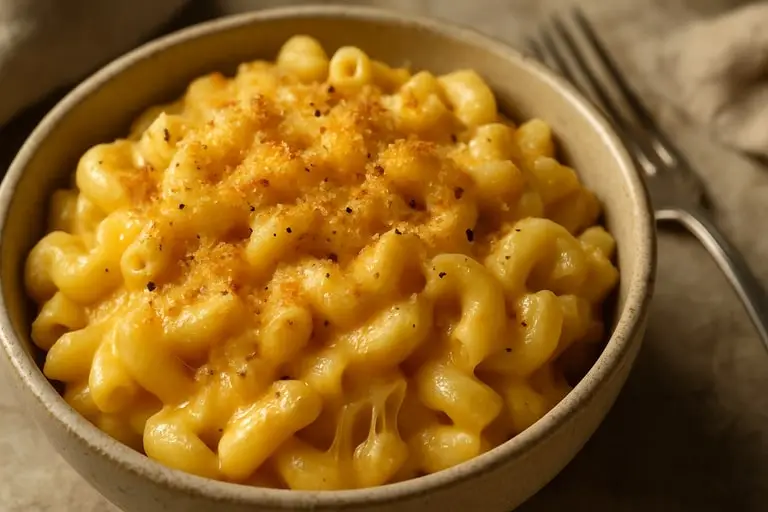
Baking represents another dimension of mac and cheese. While stovetop versions deliver immediate creaminess, oven-baked varieties introduce a crust that contrasts with the soft interior. Breadcrumbs or extra cheese sprinkled on top form a golden layer that adds textural intrigue. Some cooks enhance this crust with herbs, garlic, or even bacon bits, creating a dish that combines comfort with sophistication. The choice between stovetop and baked reflects personal preference, but both honor the essence of mac and cheese: a dish that elevates simplicity through attention to detail.
Seasoning also plays a crucial role. Nutmeg is often used sparingly to enrich the béchamel, while mustard powder or paprika can sharpen and balance the richness of cheese. Pepper adds gentle heat, and salt must be adjusted carefully, as cheeses themselves bring salinity. The best mac and cheese recipes avoid blandness by layering subtle seasonings, ensuring each bite carries both indulgence and nuance. This artistry transforms a dish often considered simple into one of complexity and depth.
Cultural variations highlight the adaptability of mac and cheese. In Southern cooking, it becomes richer with evaporated milk and multiple cheeses, often appearing as a centerpiece at holidays. In gourmet kitchens, truffle oil, lobster, or artisanal cheeses elevate it into fine dining. Around the world, chefs reinterpret the dish using local cheeses and spices, demonstrating its universal appeal. Whether humble or elaborate, mac and cheese adapts to context while maintaining its identity as a comfort food icon.
Practicality contributes to its longevity. Mac and cheese is economical, requiring only pantry staples and common cheeses. It scales easily, feeding both small families and large gatherings with equal success. Leftovers reheat well, often developing even greater cohesion as flavors meld. This combination of affordability, convenience, and satisfaction explains why mac and cheese continues to thrive as a staple across cultures and generations.
The sensory qualities of mac and cheese make it irresistible. The sight of molten cheese stretching with each serving, the aroma of baked crust and warm dairy, and the texture of creamy sauce against chewy pasta create a multi-sensory experience that defines comfort food. These qualities evoke anticipation and indulgence, ensuring that macaroni and cheese consistently satisfies emotional as well as physical hunger.
Health-conscious adaptations have allowed mac and cheese to remain relevant in modern diets. Using whole-grain pasta, reduced-fat cheeses, or incorporating vegetables like spinach, broccoli, or butternut squash introduces nutrition without diminishing comfort. These adjustments show how tradition evolves, ensuring the dish continues to meet contemporary expectations while preserving its essence. Such flexibility underscores mac and cheese’s resilience as a dish that can be indulgent or balanced depending on preparation.
Serving mac and cheese is as versatile as its preparation. It can stand alone as a main dish, paired with simple sides, or serve as a rich accompaniment to roasted meats or fresh salads. Its ability to function in diverse roles—casual dinner, holiday table, or upscale reinterpretation—proves its adaptability. Every context highlights different aspects of its identity, yet all affirm its role as one of the most comforting dishes ever created.
Ultimately, mac and cheese endures because it is more than the sum of pasta and cheese—it is a cultural symbol of care, comfort, and connection. Each spoonful carries echoes of tradition and innovation, family and heritage, indulgence and nourishment. To cook macaroni and cheese is to participate in a lineage that values both simplicity and satisfaction. Its timeless appeal lies in this balance, ensuring it remains a fixture in kitchens and hearts for generations to come.
Macaroni And Cheese Recipes For Comfort
Macaroni and cheese recipes represent the epitome of comfort cooking, blending ease with indulgence in ways few dishes can match. At their simplest, they require only pasta, cheese, and milk, yet from these three ingredients emerges a dish that nourishes body and spirit alike. What makes macaroni and cheese so enduring is its ability to adapt, whether as quick stovetop meals, elaborate baked versions, or gourmet reinterpretations with premium ingredients. This versatility reflects the essence of comfort food: timelessness shaped by context, yet always reassuring.
The foundation of macaroni and cheese recipes rests in sauce technique. The béchamel base ensures creaminess, while cheese selection defines character. Sharp cheddar provides tang, Gruyère adds nuttiness, Monterey Jack delivers smooth meltability. Combining multiple cheeses balances richness with subtlety, ensuring each bite satisfies without overwhelming. The artistry lies in proportions, as too much cheese risks greasiness while too little results in blandness. Achieving harmony is what transforms simple macaroni into an iconic comfort food.
Pasta selection and preparation shape texture. Elbow macaroni remains traditional, but shells or cavatappi provide variety. Cooking pasta just short of al dente ensures that when combined with sauce and baked, it finishes perfectly tender without losing bite. Recipes that balance pasta integrity with sauce richness highlight the technical care underlying comfort food. This precision, though subtle, defines quality macaroni and cheese.
Baked recipes elevate the dish further. A breadcrumb topping or extra cheese layer introduces contrast, creating crispness that complements creamy interiors. Regional recipes often emphasize this baked element, turning macaroni and cheese into a dish of layers—soft beneath, golden above. For holiday tables or family gatherings, baked versions carry symbolism of abundance, their generous pans inviting sharing and celebration. The visual appeal of a bubbling crust reinforces their identity as festive comfort dishes.
Seasoning strategies distinguish memorable macaroni and cheese recipes from mediocre ones. Classic additions like mustard powder sharpen flavors, paprika provides color and depth, and garlic or onion powders add subtle richness. Even a splash of hot sauce or Worcestershire sauce can balance creaminess with brightness. These minor touches, though often unnoticed, make profound differences in outcome, reflecting the detail-oriented care that defines enduring comfort food.
Macaroni and cheese recipes also highlight cultural diversity. In the American South, preparations lean heavy and indulgent, often layered with multiple cheeses. In Europe, particularly Switzerland and Italy, local cheeses create distinct regional variations. Modern fusion approaches integrate international flavors—spices, meats, or vegetables—demonstrating the dish’s universality. Each adaptation confirms that macaroni and cheese, while rooted in tradition, thrives on reinvention.
Practical benefits strengthen their role as comfort staples. Simple to prepare, scalable in quantity, and forgiving of mistakes, macaroni and cheese recipes invite cooks of all skill levels. They also allow for resourcefulness: leftover cheeses, vegetables, or proteins can be incorporated, making the dish both economical and satisfying. This adaptability ensures that macaroni and cheese remains accessible while still rewarding, a combination that defines lasting comfort foods.
The sensory experience remains central. Creamy texture, gooey cheese pulls, and the aroma of baked crust create anticipation that satisfies before the first bite. The flavors—rich, savory, balanced with subtle seasoning—reinforce emotional connections, linking the dish to family meals, holidays, and childhood memories. These sensory cues explain why macaroni and cheese consistently ranks among the most beloved comfort dishes across cultures.
Health-conscious adaptations ensure continued relevance. Using lighter cheeses, incorporating vegetables, or choosing whole-grain pasta allows macaroni and cheese to align with modern wellness goals. This flexibility demonstrates that comfort food need not be at odds with health, but rather can adapt without losing identity. Such balance ensures that macaroni and cheese remains a dish for all occasions, from indulgence to mindful eating.
Serving contexts vary, enhancing versatility. As a side dish, macaroni and cheese complements roasts or fried chicken. As a main dish, it satisfies fully when paired with simple greens or proteins. Its ability to adapt to different roles ensures its relevance at both casual tables and festive feasts. This adaptability underscores its identity as more than a recipe—it is a culinary tradition of nourishment and joy.
Ultimately, macaroni and cheese recipes endure because they combine flavor, practicality, and memory. Each preparation, whether stovetop or baked, simple or elaborate, reaffirms the dish’s role as a comfort essential. To cook macaroni and cheese is to honor tradition while embracing personal expression, ensuring the dish evolves with time while retaining its heart. It is a reminder that the simplest foods often provide the deepest comfort, resonating across kitchens and generations.
Mac And Cheese As Comfort Food Icon
Few dishes embody the concept of comfort food as perfectly as mac and cheese. Creamy, indulgent, and familiar, it represents the idea that food nourishes not only the body but also the spirit. Its universal popularity reflects its ability to provide warmth, connection, and satisfaction in ways that transcend cultural and generational boundaries. Macaroni and cheese has become more than a meal—it is a cultural icon of comfort itself.
The emotional power of mac and cheese begins with familiarity. For many, it recalls childhood meals, family gatherings, or simple moments of indulgence after long days. Its presence at tables signifies care and continuity, reminding diners that comfort is as much about memory as it is about flavor. Few dishes evoke nostalgia as effectively, making macaroni and cheese a cornerstone of comfort traditions worldwide.
Flavor is central to this identity. The combination of pasta and cheese is inherently satisfying, balancing starch and fat in a way that engages palates universally. The richness of the sauce contrasts with the neutral base of pasta, creating harmony that appeals broadly. Additions like herbs, spices, or proteins may enhance, but the foundation remains unchanged: creamy, cheesy satisfaction that delivers reassurance in every bite.
Texture enhances comfort further. The velvety sauce, tender pasta, and, when baked, crisp crust provide layers of experience that keep each bite engaging. This interplay of textures embodies the essence of comfort food: indulgence that is grounding and rewarding without pretense. It is food meant to be eaten generously, shared freely, and enjoyed wholeheartedly.
Cultural symbolism reinforces its role. In the United States, mac and cheese is inseparable from both casual meals and holiday feasts, bridging everyday comfort and celebratory abundance. Globally, adaptations integrate local cheeses and traditions, proving its universal resonance. Its versatility allows it to embody both personal memory and communal celebration, making it more than food—it becomes an emblem of care and togetherness.
Practicality strengthens its comfort identity. Easy to prepare, economical, and endlessly adaptable, mac and cheese is reliable in ways that comfort food must be. It requires no elaborate ingredients, yet delivers satisfaction that rivals more complex dishes. This reliability builds trust, ensuring that macaroni and cheese remains a dish people return to whenever they seek comfort.
Health perspectives also matter. While indulgent, mac and cheese can be adapted with vegetables, lean proteins, or lighter cheeses to align with balanced diets. This flexibility ensures that it remains relevant in modern contexts where wellness is valued alongside indulgence. Comfort food achieves its highest expression when it nurtures both body and soul, and mac and cheese exemplifies this balance.
Serving mac and cheese enhances its symbolism. Whether placed at the center of a holiday table, served casually in a bowl, or presented in upscale variations, it carries an aura of generosity. Sharing it reinforces bonds, creating experiences that extend beyond taste. Even when enjoyed alone, it provides grounding and warmth, embodying the essence of comfort food’s emotional power.
Leftovers extend comfort further. Reheated, mac and cheese retains its appeal, often tasting more cohesive as flavors meld. It adapts into new dishes—fried bites, casseroles, or toppings—demonstrating that its comfort does not diminish but expands over time. This continuity makes it not just a single meal but a source of ongoing nourishment.
Ultimately, mac and cheese stands as a comfort food icon because it unites flavor, texture, memory, and adaptability in one dish. It symbolizes the best of food’s emotional power: its ability to soothe, to connect, and to endure. To prepare macaroni and cheese is to engage in a tradition of care, one that will remain timeless because it resonates so deeply across cultures and generations. It is more than a recipe—it is an emblem of comfort itself.
Mac and cheese holds a place in culinary culture unlike almost any other dish, embodying comfort, nostalgia, and indulgence in equal measure. At its simplest, it is a combination of pasta and cheese sauce, yet its appeal reaches far beyond its humble ingredients.
Across generations, mac and cheese has represented both a quick, everyday meal and a celebratory centerpiece, capable of bridging the gap between childhood simplicity and gourmet sophistication. It is a dish that transcends class and context, appearing in homes, cafeterias, restaurants, and even fine dining establishments, proving that comfort food, when done well, can achieve universal appeal.
The origins of mac and cheese are rooted in Europe, where pasta and cheese have long been companions. Recipes combining macaroni with Parmesan or other cheeses appeared in Italian and English cookbooks as early as the thirteenth century. By the eighteenth century, the dish had reached America, with Thomas Jefferson often credited for popularizing it after encountering pasta in Paris and Italy. He even imported a pasta machine to the United States, helping to introduce what would eventually become a beloved staple. Over the centuries, mac and cheese evolved from an elite novelty into an everyday favorite, embraced across the cultural spectrum.
At the heart of mac and cheese lies the sauce, which transforms plain pasta into something rich and satisfying. The classic preparation uses a béchamel base — butter, flour, and milk cooked into a creamy foundation — enriched with cheese until it becomes velvety and flavorful. Cheddar is the most common choice, prized for its sharpness and melting qualities, but variations include Gruyère, Parmesan, mozzarella, and even blue cheese. The sauce clings to each piece of pasta, ensuring that every bite carries indulgence. The art of mac and cheese lies in balancing richness with texture, creating harmony between pasta and sauce.
Pasta selection also plays a crucial role. While elbow macaroni remains the traditional choice, its ridges and curves ideal for holding sauce, other shapes such as shells, penne, or cavatappi offer different experiences. Each shape affects texture and bite, allowing for personalization. Al dente cooking ensures pasta holds up under sauce, preventing sogginess. The combination of pasta and cheese sauce may seem simple, but when executed with care, it becomes a dish of remarkable depth and satisfaction, proving that classics often rely on precision rather than complexity.
Baked mac and cheese introduces another dimension, adding texture and contrast through a golden crust. Topped with breadcrumbs, extra cheese, or crushed crackers, the dish develops a crispy surface that contrasts with the creamy interior. Baking also concentrates flavors, allowing cheese and pasta to meld further. This variation often feels more celebratory, making it a favorite at holidays, potlucks, and family gatherings. The ritual of pulling a bubbling casserole dish from the oven adds theater and anticipation, reinforcing mac and cheese’s role as both everyday meal and special occasion dish.
Culturally, mac and cheese has become more than food; it is a symbol of comfort and continuity. In the United States, it is often associated with Southern cooking, where baked versions anchor family tables. Boxed varieties, introduced in the twentieth century, made it a pantry staple, especially during times of scarcity or war when affordability mattered most. Its role in childhood is almost universal, remembered as one of the first dishes children enjoy independently. Yet it also adapts easily to adult tastes, elevated with truffle oil, lobster, or artisanal cheeses in upscale restaurants. Few dishes span so many contexts while remaining recognizable at their core.
The sensory qualities of mac and cheese explain its enduring power. The aroma of melting cheese, the sight of bubbling sauce coating pasta, the crunch of a golden topping — all create anticipation. The flavor balances indulgent creaminess with sharp, savory notes, while the texture shifts between soft pasta and rich sauce, sometimes punctuated by a crisp crust. Eating mac and cheese engages every sense, evoking both comfort and excitement. Its immediacy and familiarity explain why it is often considered the quintessential comfort food, capable of soothing stress and elevating mood with every bite.
Nutritionally, mac and cheese is often viewed as indulgent, but it can be adapted to align with diverse lifestyles. Whole grain or legume-based pastas add fiber and protein, while reduced-fat cheeses or plant-based alternatives lighten the dish without sacrificing satisfaction. Vegetables like broccoli, spinach, or squash can be incorporated, adding color and nutrition. Vegan versions use cashew cream or nutritional yeast to replicate cheesiness, ensuring inclusivity. These adaptations prove that mac and cheese is not a static dish but one that evolves with modern awareness while maintaining its comforting essence.
Economically, mac and cheese represents practicality as well as abundance. Its ingredients — pasta, cheese, milk, and butter — are widely available and affordable, yet the result feels indulgent. It stretches easily to feed large groups, making it a staple for family dinners, potlucks, and community events. Leftovers reheat well, often becoming even more flavorful after resting. This combination of affordability and comfort explains why mac and cheese has endured across generations, offering both value and satisfaction.
Modern interpretations of mac and cheese demonstrate its adaptability. Chefs around the world reinterpret it through cultural influences, adding spices, meats, or exotic cheeses. In the South, it is often baked with eggs for added richness; in New England, lobster mac and cheese elevates it into a luxurious dish; in global kitchens, curry spices, kimchi, or chorizo introduce fusion flavors. Even fast-food chains and street vendors reinvent mac and cheese as burgers, bites, or loaded fries. These innovations ensure that the dish remains fresh and exciting while preserving its timeless soul.
Psychologically, mac and cheese provides comfort beyond flavor. Its association with childhood, family, and home makes it emotionally resonant, often evoking nostalgia in adults and security in children. The ritual of stirring cheese into pasta or pulling a casserole from the oven creates anticipation that connects people to memory and tradition. Sharing it reinforces bonds, as the dish is always prepared in abundance. Even eaten alone, mac and cheese feels like companionship, a reminder of simpler times and enduring joys. Its psychological weight is as important as its culinary qualities.
Ultimately, mac and cheese endures because it represents what food is meant to be: simple yet profound, nourishing both body and spirit. It takes basic ingredients and, through care and creativity, transforms them into something timeless. It adapts to cultures, lifestyles, and generations while always remaining true to its essence: pasta enveloped in cheese. In every creamy bite lies memory, comfort, and connection, proof that food is not only about sustenance but also about meaning. Mac and cheese remains timeless because it embodies both continuity and possibility, ensuring its place in kitchens and hearts for generations to come.
Lasagna is one of the most enduring and beloved dishes in global cuisine, a layered creation that combines pasta, sauce, cheese, and often meat into something far greater than the sum of its parts. Its structure is architectural, each layer building upon the last, yet its appeal is deeply emotional. A pan of bubbling lasagna emerging from the oven represents abundance, generosity, and celebration. It is a dish tied to both family dinners and festive gatherings, capable of evoking nostalgia while also inviting innovation. More than just food, lasagna is a symbol of connection, heritage, and the transformative power of cooking.
The origins of lasagna can be traced back to Italy, though its history is more complex than many realize. Early forms of layered pasta dishes appeared in ancient Rome, while the name itself derives from the Greek “laganon,” meaning sheets of dough. By the Middle Ages, Italian regions were crafting versions of lasagna with cheese and spices, though tomatoes would not become part of the dish until after their introduction from the New World. Over time, lasagna took root in different regions of Italy, with variations reflecting local ingredients and traditions. Today, the dish is recognized globally as both authentically Italian and universally adaptable.
At the heart of lasagna lies the pasta itself. Sheets of fresh or dried noodles provide the framework upon which the dish is built. Fresh pasta offers tenderness and a delicate bite, while dried noodles bring structure and convenience. Some versions require parboiling, while others use no-boil varieties that soften as they bake. Regardless of form, the pasta must strike a balance between supporting layers and absorbing flavor. This interplay ensures that lasagna is cohesive, with each bite offering a perfect balance of noodle, filling, and sauce.
The sauce defines much of lasagna’s character. Traditional versions use ragù, a slow-simmered meat sauce with tomatoes, onions, and wine, layered with béchamel for richness. Other recipes emphasize vegetables, such as spinach, zucchini, or eggplant, transforming lasagna into a lighter yet equally satisfying dish. White lasagna, common in northern Italy, relies on béchamel and cheese without tomatoes, while seafood lasagnas highlight coastal traditions. Across these variations, the sauce infuses depth into the dish, ensuring that every layer resonates with flavor and aroma.
Cheese provides indulgence and cohesion, binding lasagna into its iconic form. Mozzarella melts into stretchy layers, Parmesan adds sharpness, and ricotta brings creaminess. The combination creates both contrast and harmony, with each cheese contributing distinct qualities. Some modern versions incorporate provolone, fontina, or goat cheese, offering creative twists. Regardless of blend, cheese ensures that lasagna is not just satisfying but luxurious, transforming it from simple layers into something celebratory. Its golden crust, bubbling and fragrant, is often the most anticipated part of the dish.
Culturally, lasagna has transcended its Italian roots to become a global comfort food. In Italy, it remains tied to regional identities and family gatherings, often reserved for Sundays or holidays. In the United States and beyond, it has become a staple of potlucks, restaurants, and home kitchens. Its abundance makes it ideal for feeding crowds, reinforcing its role as a dish of generosity. For immigrants, lasagna often symbolized both preservation of tradition and adaptation to new environments, bridging heritage with practicality. Its universality ensures it resonates with people of all backgrounds.
The sensory experience of lasagna explains its enduring power. The sight of golden layers, slightly crisp edges, and molten cheese excites the eye. The aroma of herbs, garlic, and tomato fills the air long before the dish is served, creating anticipation. The flavor delivers depth — sweet tomatoes, savory meat or vegetables, creamy cheese, and tender pasta combining seamlessly. Texture is equally satisfying: soft noodles, hearty fillings, and bubbling sauces unite in perfect balance. Eating lasagna engages every sense, turning a meal into a celebration of flavor and abundance.
Nutritionally, lasagna is versatile, offering both indulgence and balance. Traditional versions are rich and hearty, providing protein, carbohydrates, and fats in abundance. Yet lighter variations abound, with whole-grain pasta, reduced-fat cheeses, and vegetable-based sauces offering healthier alternatives. Vegetarian and vegan lasagnas are now widespread, relying on plant-based cheeses, lentils, or cashew creams. Gluten-free pasta ensures inclusivity for all eaters. This adaptability demonstrates lasagna’s resilience, showing that it can evolve with modern health trends while preserving its essence of layered comfort.
Economically, lasagna reflects both practicality and abundance. Its ingredients are widely accessible, yet the result feels luxurious. A single pan can feed a family or crowd, stretching resources without sacrificing satisfaction. Leftovers are famously better the next day, as flavors meld and deepen, making lasagna one of the most rewarding make-ahead dishes. Its ability to serve many while remaining affordable explains why it is such a fixture at gatherings. Lasagna embodies both economy and generosity, offering richness without extravagance.
Modern innovations have expanded lasagna’s identity while preserving tradition. Chefs experiment with global flavors, creating versions with curry spices, Mexican chiles, or Asian seasonings. Deconstructed lasagna, presented in fine dining, reimagines the dish in minimalist layers, while street food versions transform it into rolls, bites, or soups. Social media has furthered its reinvention, inspiring home cooks to explore endless variations. Yet regardless of experimentation, the essence remains the same: layered pasta, sauce, and cheese that create harmony and comfort.
Psychologically, lasagna provides comfort beyond sustenance. The act of assembling layers — noodles, sauce, cheese, repeat — becomes meditative, reflecting care and intention. Its aroma builds anticipation, signaling abundance and warmth. Sharing lasagna reinforces bonds, as the dish is almost always made in quantities meant for many. For families, it evokes memories of holidays, birthdays, and Sunday dinners, embedding itself into cultural memory. Even eaten alone, a slice of lasagna provides companionship, reminding the diner of togetherness and tradition. Its emotional resonance is as significant as its flavor.
Ultimately, lasagna endures because it embodies what food is meant to be: abundant, comforting, adaptable, and meaningful. It takes simple ingredients and elevates them into something greater, transforming effort into celebration. It connects cultures and generations, symbolizing both tradition and creativity. In every bubbling pan lies history, continuity, and care, proof that food nourishes not only the body but also the heart. Lasagna is timeless because it is more than a recipe; it is a reminder of generosity, heritage, and the enduring joy of sharing meals that bring people together.