Pressure cooker recipes reflect the marriage of tradition with modern efficiency, taking dishes that once demanded long hours and condensing them into manageable cooking times without sacrificing depth of flavor. The principle behind pressure cookers is simple yet transformative: sealed steam increases internal pressure and temperature, accelerating cooking processes that normally take hours. Tough cuts of meat become tender in less than an hour, beans soften without overnight soaking, and stews develop layers of complexity in record time. This innovation has turned pressure cookers into essential tools for kitchens worldwide, offering both convenience and richness in every pot.
The foundation of great pressure cooker recipes lies in understanding how heat and steam interact with ingredients. Unlike slow simmering, where flavors develop gradually, the elevated environment of a pressure cooker extracts and intensifies essence quickly. Proteins break down faster, starches hydrate more efficiently, and spices infuse thoroughly, producing results that taste as though they have simmered for hours. For cooks balancing time constraints with culinary aspirations, this technology is transformative, ensuring that a hearty meal is always within reach.
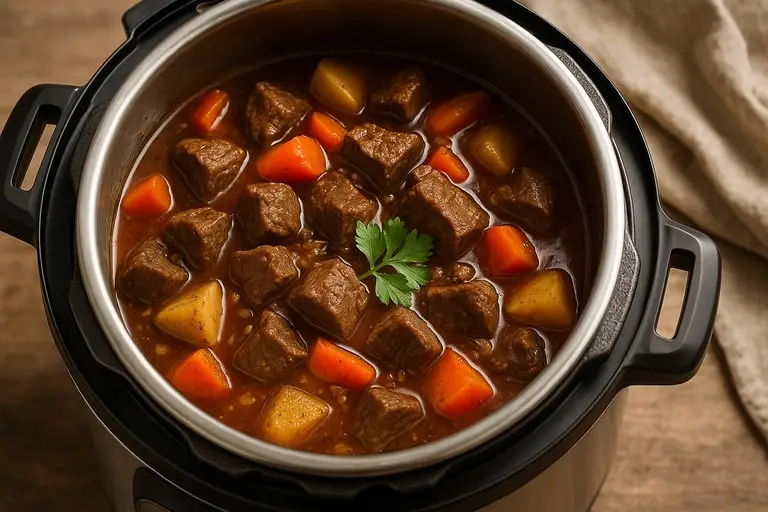
Classic recipes adapt beautifully to pressure cooking. Beef stew, chicken curry, lentil soup, and pot roast—all staples of comfort food—achieve their signature tenderness in a fraction of the traditional time. Beans and grains, notoriously labor-intensive, soften quickly without compromising nutrition or texture. This adaptability is what has propelled pressure cookers from niche appliances to household essentials, as they demonstrate that efficiency does not require compromise. Each recipe becomes an exercise in trust: by sealing the pot and allowing science to work, cooks achieve results once thought possible only through patience.
Preparation is critical in pressure cooker recipes. Browning meat before sealing ensures depth of flavor, while layering aromatics such as onions, garlic, and herbs creates a foundation for the dish. Liquids must be measured carefully, as pressure cooking relies on steam, and too little risks scorching while too much dilutes flavors. Attention to these details ensures consistency and prevents the unpredictability that sometimes discourages new users. Once mastered, these techniques reveal how intuitive and reliable pressure cooking can be.
Timing, too, requires precision. Unlike simmering, where flexibility exists, pressure cooker recipes demand adherence to minutes. Overcooking risks turning vegetables to mush or proteins into shreds, while undercooking defeats the purpose of speed. Guides and charts help beginners, but experience quickly teaches intuition—recognizing how different cuts or grains respond. As comfort with the tool grows, cooks learn to adapt recipes fluidly, transforming the pressure cooker from appliance to trusted companion.
Cultural cuisines have embraced pressure cookers with enthusiasm. In India, dals and curries benefit from reduced cooking times, ensuring that legumes and spices meld seamlessly. In Latin America, beans and braised meats find renewed efficiency, supporting traditions of hearty stews and soups. European kitchens adapt classics like coq au vin or osso buco, while Asian kitchens use pressure cooking for broths and rice dishes. This global adoption underscores how pressure cooker recipes transcend convenience, becoming vehicles for preserving and modernizing culinary heritage.
Beyond efficiency, pressure cookers offer environmental and health advantages. Shorter cooking times reduce energy consumption compared to hours-long simmering, aligning with sustainability goals. Nutritionally, pressure cooking preserves vitamins and minerals more effectively than methods involving prolonged heat. This combination of speed, health, and sustainability adds another layer of appeal, positioning pressure cookers as tools for contemporary lifestyles that balance wellness and environmental awareness with culinary satisfaction.
The sensory qualities of pressure cooker recipes also surprise many. Far from being flat or rushed, dishes emerge with concentrated aromas and textures. The steam-sealed environment prevents evaporation, locking in flavor and moisture. This results in tender meats, robust broths, and vibrant vegetables that retain their character. Each spoonful carries richness equal to or exceeding traditional methods, proving that pressure cooking is not a shortcut but an enhancement.
Practicality further enhances their appeal. Modern electric pressure cookers, often marketed as multi-cookers, simplify the process with preset programs, safety features, and digital timers. These tools remove the intimidation once associated with stovetop models, making pressure cooking accessible even to novices. With minimal oversight, cooks can achieve consistent results, freeing time for other tasks while still preparing meals that feel homemade and substantial. This convenience explains their explosive popularity in households across the globe.
Pressure cooker recipes also lend themselves to creativity. Once comfortable with the basics, cooks experiment—adding unique spices, exploring fusion cuisines, or developing entirely new dishes. The versatility of the pressure cooker supports innovation without fear, as it responds well to both tradition and experimentation. Whether preparing a classic stew or inventing a new grain-and-vegetable medley, the appliance empowers exploration. This adaptability ensures pressure cookers remain relevant not only for efficiency but also for inspiration.
Ultimately, pressure cooker recipes embody the evolution of cooking itself. They preserve the heart of traditional dishes while aligning with modern demands for time, health, and sustainability. Each pot tells a story of transformation—ordinary ingredients becoming extraordinary through controlled heat and steam. To cook with a pressure cooker is to embrace both past and present, honoring heritage while welcoming innovation. It is proof that food can be fast, flavorful, and meaningful, showing that even under pressure, cooking retains its soul.
Pressure Cookers And The Craft Of Cooking Quickly
The allure of pressure cookers lies not only in their efficiency but in their mastery of controlled speed. Pressure cooking is unique among culinary techniques in that it condenses time without discarding depth. It transforms what once seemed contradictory—speed and flavor—into harmonious results. This craft of cooking quickly demonstrates that convenience does not equate to compromise, and that pressure cooker recipes can stand proudly beside their slow-cooked counterparts.
The science behind pressure cookers is fascinating. By sealing steam, they elevate the boiling point of water from 212°F to around 250°F, intensifying heat and accelerating cooking. This simple adjustment achieves profound results: beans soften in minutes, collagen in meat dissolves rapidly into gelatin, and flavors meld with surprising intensity. What would take hours in a stockpot is condensed into a manageable timeframe, opening culinary possibilities for busy households. This efficiency represents not only practicality but also innovation in service of flavor.
Preparation remains crucial. While pressure cookers simplify time, they do not eliminate the need for foundational technique. Searing meat, blooming spices in oil, and balancing liquid ratios remain essential for success. These steps create depth that the pressure cooker then magnifies. Neglecting them risks blandness, but when respected, they ensure dishes emerge with richness that belies the shortened process. In this way, pressure cooker cooking demands both respect for tradition and confidence in innovation.
Recipes adapt effortlessly to this environment. Chickpea curry that once demanded hours on the stove becomes a weekday possibility. Short ribs, typically weekend indulgences, transform into weeknight dinners. Even desserts like cheesecakes and rice puddings benefit, as steam provides gentle, even cooking. This expansion of repertoire highlights the versatility of pressure cookers, proving they are not confined to savory stews but extend across culinary categories. Each recipe reaffirms that cooking quickly need not narrow scope.
Cultural adoption reflects this universality. Latin American frijoles de olla, Indian chana masala, and Mediterranean braises all translate beautifully to pressure cookers, maintaining authenticity while embracing efficiency. Families continue traditions without being bound by time, ensuring heritage remains alive in modern kitchens. The pressure cooker thus becomes not merely a tool but a bridge between past and present, preserving memory while enabling adaptation.
Practical benefits extend beyond time savings. Modern pressure cookers incorporate safety mechanisms that remove the anxiety once associated with stovetop versions. They also feature programmable settings, allowing for precise control of pressure levels and cooking times. This reliability makes them approachable for novice cooks while still valuable for seasoned professionals seeking efficiency. Such advancements ensure that pressure cooking remains relevant and accessible across generations.
The sensory experience of quick cooking surprises many. Aromas intensify under pressure, flavors concentrate, and textures emerge that rival or surpass long-simmered versions. Far from diminishing quality, the sealed environment enhances it, ensuring that every dish delivers satisfaction. For those skeptical of convenience, the results of pressure cooker recipes provide undeniable proof that speed can coexist with excellence.
Health advantages further bolster their role. By requiring minimal fat and preserving nutrients through reduced cooking times, pressure cooker dishes often align with wellness goals. Vegetables retain vibrancy, proteins maintain integrity, and legumes deliver nutrition without additives. This combination of health and flavor reflects modern priorities, ensuring that cooking quickly supports both taste and lifestyle.
Innovation thrives within this environment. Chefs and home cooks experiment with layering flavors, introducing global spices, and reimagining traditional recipes. The pressure cooker provides a reliable foundation upon which creativity flourishes, supporting both classic comfort foods and cutting-edge culinary explorations. This dual role—as preserver and innovator—explains its enduring popularity.
Serving pressure cooker meals reflects their essence: generosity without complication. A pot of tender beef stew, a fragrant curry, or a pot of beans emerges quickly yet feels abundant, nourishing both body and spirit. Leftovers reheat beautifully, extending convenience and reinforcing practicality. These meals prove that even in fast preparation, comfort and connection remain central.
In conclusion, pressure cookers exemplify the craft of cooking quickly while preserving meaning. They transform limitation into opportunity, enabling cooks to prepare hearty meals without forfeiting depth. Each recipe is a testament to how innovation supports tradition, ensuring that food remains central to connection and culture even under the demands of modern life. Pressure cooker cooking is proof that speed can deepen, rather than diminish, the soul of a dish.
Pressure Cooker Recipes As Comfort Food Essentials
Comfort food thrives on warmth, depth, and familiarity—qualities that pressure cooker recipes surprisingly deliver despite their speed. The misconception that comfort requires long hours dissolves the moment one experiences a bowl of stew, chili, or braised meat prepared under pressure. These dishes maintain the soul of tradition while adapting to modern demands, proving that comfort food is not defined by time but by intention and flavor.
The comfort begins with aroma. Though sealed during cooking, the moment a pressure cooker releases its steam, the kitchen fills with scents that rival any slow-simmered pot. This dramatic unveiling enhances anticipation, making the first bite all the more satisfying. The sealed process also ensures that aromas concentrate within the dish itself, intensifying flavor and delivering comfort with every spoonful.
Texture contributes significantly to the comfort experience. Pressure cookers excel at producing tenderness—meat that falls apart with a fork, beans that yield without crumbling, vegetables that soften while retaining body. These textures evoke satisfaction, replicating the qualities of dishes traditionally associated with long cooking. Each bite reaffirms that comfort food depends not on duration but on results that nourish body and memory alike.
Flavor layering is equally essential. Pressure cooking ensures that spices, herbs, and aromatics infuse deeply, creating cohesive profiles that feel robust and well-developed. A curry gains complexity in minutes, a soup develops depth in less than an hour, and a pot roast achieves richness that belies its preparation time. This concentration of flavor aligns perfectly with the qualities expected of comfort food—depth, warmth, and satisfaction.
Cultural associations further strengthen their comfort role. In households worldwide, pressure cookers have long been tied to daily sustenance. In India, families rely on them for dals that sustain communities. In Latin America, beans and braises prepared under pressure embody abundance. In Western kitchens, stews and roasts adapted to pressure cookers maintain ties to tradition while accommodating modern schedules. This universality affirms pressure cookers as vehicles for comfort across cultures.
Practicality enhances their comfort identity. Knowing that a hearty meal can emerge in under an hour provides reassurance in busy lives. The ability to prepare nutritious, flavorful dishes quickly reduces stress while still delivering the emotional satisfaction associated with comfort food. This reliability makes pressure cooker recipes staples not only of kitchens but also of lifestyles, ensuring they meet both physical and emotional needs.
Leftovers extend comfort. Pressure-cooked dishes often taste better the next day, as flavors continue to meld. Reheating is efficient, preserving both texture and depth, ensuring that comfort stretches beyond the initial meal. This continuity reinforces the sense of abundance central to comfort food, proving that meals prepared quickly can still provide lasting satisfaction.
Health considerations deepen their modern appeal. By requiring little oil and preserving nutrients, pressure cooker comfort food supports wellness without compromising indulgence. This harmony aligns with contemporary expectations, where food must satisfy cravings while supporting health. Pressure cookers achieve this balance naturally, showing that comfort can be holistic.
Serving plays a role as well. A bowl of stew, a plate of braised short ribs, or a fragrant curry served quickly yet generously conveys care and abundance. Sharing these meals reinforces the communal essence of comfort food, demonstrating that speed need not diminish intimacy or meaning. Even when enjoyed alone, they provide grounding and reassurance.
Innovation ensures their continued relevance. By adapting global comfort foods to pressure cookers, cooks create new traditions without erasing old ones. A Moroccan tagine, a Mexican chili, or an Italian risotto all find new life under pressure, broadening the definition of comfort while respecting cultural roots. This adaptability proves that comfort food is not static but evolving, shaped by tools as much as by taste.
Ultimately, pressure cooker recipes affirm that comfort food is defined not by time but by care, flavor, and meaning. They demonstrate that modern tools can preserve the soul of tradition while supporting contemporary life. Each dish embodies nourishment, history, and connection, proving that even when prepared quickly, comfort food remains timeless. To cook with a pressure cooker is to honor both efficiency and emotion, creating meals that satisfy deeply in every sense.
Pressure cookers have transformed the way people approach cooking, offering speed without sacrificing depth of flavor. For generations, cooks associated slow simmering with the only path to tenderness and richness, but modern tools have shown that the same magic can be achieved in a fraction of the time.
Pressure cooker recipes are not merely shortcuts; they represent an evolution in technique, using science and engineering to replicate and sometimes even enhance the results of traditional methods. By harnessing steam under pressure, these devices allow meals that once required hours to be ready in minutes, opening new possibilities for both home cooks and professionals.
The history of pressure cookers stretches back to the seventeenth century, when the French physicist Denis Papin created the first “steam digester,” a precursor to modern designs. His invention demonstrated how pressure could dramatically increase the boiling point of water, cooking food faster while preserving its integrity. Over centuries, the concept evolved into household appliances, initially bulky and intimidating but eventually streamlined into safe, reliable kitchen tools. Today, pressure cookers range from stovetop models favored by purists to electric multifunction devices that serve as slow cookers, rice makers, and more. This evolution has made them staples in kitchens worldwide.
At the heart of pressure cooker recipes lies the principle of flavor concentration. Unlike boiling or open simmering, pressure cooking traps steam and aroma inside, preventing the escape of volatile compounds. Vegetables retain their color and nutrients, while meats become tender without drying out. Beans, which once required overnight soaking and long simmering, soften to perfection in under an hour. Stocks and broths develop richness quickly, rivaling those simmered all day. This ability to intensify flavor and efficiency simultaneously explains why pressure cooker recipes have grown in popularity, especially among modern households with limited time.
One of the most beloved applications of the pressure cooker is transforming tough cuts of meat into tender feasts. Beef short ribs, lamb shanks, and pork shoulders, once reserved for weekend cooking, can now appear on weeknight tables. The combination of high pressure and moist heat breaks down collagen into gelatin swiftly, creating the same luxurious texture that slow braising achieves. Chicken dishes, too, benefit from the method, remaining juicy and flavorful without the risk of drying out. These successes prove that pressure cooker recipes are not about compromise but about reimagining tradition for contemporary schedules.
Vegetables also shine in this environment. Root vegetables such as potatoes, carrots, and beets cook to tenderness in minutes, preserving their natural sweetness. Legumes like lentils and chickpeas soften quickly while retaining shape, making them perfect for stews, curries, and salads. Leafy greens such as kale or collards, often requiring long simmering, become tender yet vibrant in short spans. Even risottos, known for labor-intensive stirring, emerge creamy and balanced without constant attention. This versatility makes the pressure cooker a universal tool, capable of handling diverse ingredients with precision.
Culturally, pressure cookers have played vital roles in kitchens across the globe. In India, they are indispensable for preparing dals and rice; in Latin America, they speed the preparation of beans and stews; in Europe, they are used for stocks, soups, and braises. Each culture has adapted pressure cooking to its own traditions, creating a library of recipes that reflect heritage while benefiting from efficiency. The global reach of pressure cooker recipes underscores their universality, demonstrating that innovation enhances rather than diminishes cultural identity.
The sensory experience of meals prepared this way often surprises skeptics. Dishes emerge with depth and richness, their aromas intact from being sealed during cooking. The sight of tender meats falling from the bone, vibrant vegetables maintaining their color, and broths shimmering with flavor reassures cooks that speed has not replaced quality. The taste delivers complexity: layers of seasoning remain present, intensified by the process rather than diluted. The textures feel indulgent — creamy beans, soft grains, silky sauces — proof that pressure cooker recipes succeed because they appeal to every sense, not just the clock.
Nutritionally, pressure cooking offers distinct advantages. By reducing cooking time and sealing in steam, nutrients such as vitamins and minerals are better preserved compared to boiling. Less fat is often required, as moisture retention prevents drying and sticking. Whole foods like grains and legumes become more accessible, as long preparation barriers are removed. This aligns pressure cooker recipes with contemporary health goals, proving that convenience does not mean compromise. Instead, it enhances the potential for balanced, nutrient-rich meals that fit seamlessly into busy lifestyles.
Economically, pressure cookers embody resourcefulness. They make the most of affordable cuts of meat, beans, and seasonal vegetables, transforming them into meals that feel abundant and luxurious. Energy savings also matter, as cooking times are dramatically shorter compared to conventional simmering. Leftovers stretch value further, often tasting richer after resting, and can be easily reheated in the same device. This practicality ensures that pressure cooker recipes align with the values of efficiency, sustainability, and respect for resources, making them not only convenient but also wise.
Modern innovations have expanded the role of pressure cookers even further. Electric models with digital controls allow precise programming, turning them into multifunctional tools that can sauté, slow cook, or even bake. Online communities share endless variations, from global curries to fusion experiments, inspiring creativity among home cooks. Professional chefs, once skeptical, now use pressure cookers for stocks, sauces, and quick preparations, recognizing their value in fast-paced kitchens. This acceptance proves that pressure cooker recipes have transcended novelty, becoming respected techniques in both home and professional contexts.
Psychologically, pressure cooking provides reassurance in a world where time feels scarce. The ritual of loading ingredients, sealing the lid, and waiting as pressure builds carries anticipation. The hissing release at the end signals completion, offering both relief and excitement. Sharing meals prepared this way reinforces connection, proving that speed does not diminish care. Even eating alone, pressure cooker dishes provide comfort, a reminder that nourishing meals are possible without hours of labor. Their emotional resonance lies in their ability to make cooking accessible, joyful, and meaningful despite modern demands.
Ultimately, pressure cooker recipes endure because they combine the best of tradition and innovation. They honor the principles of slow cooking — patience, transformation, and depth — while adapting them to contemporary realities of time and efficiency. They make nourishing meals more accessible, connecting cultures and generations through shared flavors. In every pot lies proof that food can be both practical and profound, efficient yet soulful. The pressure cooker does not replace the kitchen’s heritage; it reimagines it, ensuring that the values of comfort, generosity, and creativity remain timeless in a rapidly changing world.