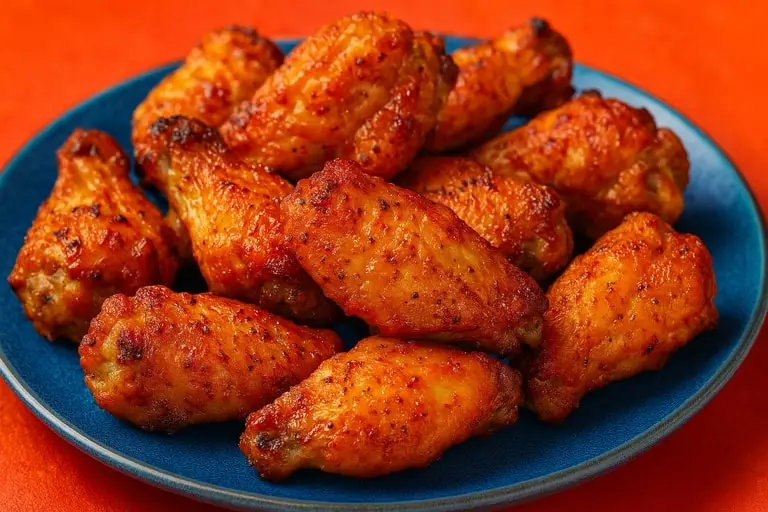
Cooking air fryer chicken wings has redefined how people approach this beloved dish, turning what was once indulgent bar food into an accessible, healthier comfort meal at home. The air fryer, celebrated for its ability to achieve crispness without excessive oil, has become a kitchen staple, and chicken wings are perhaps its most iconic output. The beauty of this technique lies in its simplicity and effectiveness: wings turn out golden, crunchy on the outside, yet tender and juicy within, capturing everything diners love about fried wings without the heaviness that usually follows. This transformation has expanded the audience for chicken wings, appealing to both health-conscious cooks and those seeking authentic flavor.
The process begins with understanding the science of the air fryer. Instead of submerging wings in oil, rapid hot air circulates around them, mimicking the effect of deep frying while dramatically reducing fat content. The outcome is a texture that rivals traditional frying, producing crispy wings with minimal oil, often needing only a light spray. By ensuring even airflow, the air fryer guarantees uniform browning, giving every wing the golden crust people crave. This advancement represents how technology modernizes classic dishes without diminishing their essence.
Preparation plays a crucial role in air fryer chicken wings. Drying the wings thoroughly before cooking prevents excess moisture, which would otherwise inhibit crisping. Seasoning becomes the next step, where salt, pepper, garlic, or spice blends enhance natural flavors. For those who enjoy experimentation, marinades or dry rubs introduce variety, from smoky paprika to citrus zest. The air fryer amplifies these seasonings, locking them into the crust while sealing juices within, ensuring the wings are not only crisp but also deeply flavorful.
Temperature and timing are central to achieving the ideal result. Cooking wings at around 375–400°F encourages the skin to render fat effectively, producing that sought-after crunch. Depending on size and cut, wings generally take between 18 to 25 minutes, flipped midway to ensure even cooking. The ability to monitor and adjust quickly gives home cooks control that rivals professional kitchens, ensuring that every batch is consistent. Mastery lies in finding the sweet spot where the wings are both crispy and moist, never dry or underdone.
Air fryer chicken wings also adapt beautifully to sauces. Once cooked, they provide the perfect canvas for coatings like tangy buffalo, sweet honey garlic, or classic barbecue. The crispy surface holds sauces without becoming soggy, a balance that elevates the eating experience. For purists, lightly salted wings straight from the fryer are equally satisfying, allowing the natural flavors to shine. The versatility of chicken wings means they can satisfy varied palates, from spicy enthusiasts to those who prefer milder profiles.
The health advantages of using an air fryer cannot be overlooked. By requiring minimal oil, this method reduces calories and saturated fat significantly compared to traditional frying. The result is a lighter version of a comfort food that retains its indulgent feel while aligning with balanced eating goals. For many, this redefinition allows them to enjoy wings more frequently, turning a guilty pleasure into a regular part of meal planning without compromise.
Beyond the technical aspects, cooking air fryer chicken wings embodies convenience. Unlike deep frying, which involves managing hot oil, disposal, and lingering odors, the air fryer offers a clean and efficient solution. With quick preheating, easy cleanup, and consistent performance, it has simplified a once labor-intensive process. This accessibility encourages experimentation, allowing even novice cooks to produce wings that rival restaurant quality. It represents how culinary technology democratizes good food, empowering home kitchens.
Cultural associations with chicken wings add to their appeal. Originally tied to sports events, gatherings, and late-night cravings, wings have evolved into a versatile dish for diverse occasions. Air fryer preparation has only strengthened this role, making it easier to serve them for family dinners, casual get-togethers, or even quick solo meals. They embody both tradition and innovation, remaining tied to their social roots while adapting to modern cooking methods.
The sensory experience of eating air fryer chicken wings is unmatched. The audible crunch when biting into the skin, the burst of juices from the meat, and the lingering flavors of spices or sauces create a multi-layered satisfaction. This balance of texture and taste defines why wings endure as a favorite. The air fryer simply refines the process, ensuring that this sensory joy is achievable with greater ease and health benefits than before.
Storage and reheating extend their practicality. Leftover wings can be returned to the air fryer for a few minutes, restoring crispness without drying out. This reheating method surpasses microwaves, which often leave wings rubbery, and ovens, which take longer. The air fryer thus not only excels in initial preparation but also in preserving quality, ensuring no batch goes to waste. This capability makes wings a reliable option for both immediate enjoyment and planned leftovers.
Ultimately, air fryer chicken wings embody the fusion of tradition and modernity. They capture the essence of a classic comfort food while embracing healthier, more efficient cooking methods. Each batch demonstrates how innovation enhances without replacing, preserving the cultural and sensory identity of wings while making them accessible to new audiences. To prepare wings this way is to celebrate both flavor and progress, proving that culinary tradition can evolve gracefully without losing its heart.
Chicken Wings Recipes Adapted For Air Frying
Air fryer chicken wings have inspired countless adaptations of chicken wing recipes, blending creativity with convenience. At their core, wings lend themselves to versatility, absorbing flavors from marinades, dry rubs, or sauces while delivering satisfaction in every bite. The air fryer’s consistency makes it the perfect tool for experimenting, allowing cooks to adapt recipes once reserved for ovens or deep fryers. In this way, air fried chicken has sparked a new era of innovation, where recipes that once required labor now emerge effortlessly.
The appeal of recipe adaptation begins with simplicity. Classic buffalo wings, once tied to deep fryers, now translate seamlessly into the air fryer, with crispness that matches tradition. Honey mustard or teriyaki wings, which often risk sogginess in ovens, emerge evenly coated and still crisp, thanks to circulating air. Even global variations—from spicy Korean gochujang to Caribbean jerk—find new expression in the air fryer, each retaining authenticity while benefiting from improved texture. This adaptability highlights the universal appeal of chicken wings across culinary traditions.
Cooking techniques adapt alongside flavors. For wings coated in sticky sauces, air frying uncoated first ensures crispness, while tossing in sauce afterward maintains integrity. For dry-rubbed wings, seasoning before cooking allows spices to form a crust, intensified by the heat. Some recipes even combine methods, using marinades to tenderize before finishing with a crisping phase. The air fryer’s flexibility supports these layered approaches, making it more than a substitute but a catalyst for recipe evolution.
Marinades and rubs take on new life when paired with air frying. Acidic marinades like lemon-garlic cut through richness while promoting tenderization, while spice blends caramelize beautifully in the circulating heat. Even minimalist preparations—salt, pepper, olive oil—shine, as the air fryer accentuates natural flavors. This environment creates opportunities for cooks to refine old recipes or invent new ones, expanding the repertoire of chicken wings beyond expectation.
Nutritional considerations also benefit from recipe adaptation. Wings traditionally considered indulgent now align with healthier eating goals. Reduced oil content lowers calories, while creative use of herbs and spices enhances flavor without excessive salt or sugar. In adapting recipes, cooks balance indulgence with wellness, ensuring chicken wings maintain their status as comfort food without conflicting with mindful diets. This reframing of recipes ensures wings remain relevant in contemporary culinary culture.
Air fryer chicken wings also influence presentation. Recipes designed for gatherings emphasize bold flavors and vibrant colors, while simpler preparations suit weeknight dinners. The ability to produce consistent batches means wings no longer rely on restaurant kitchens for scale; home cooks can prepare dozens effortlessly. This shift has redefined wings not just as snacks but as versatile meals suitable for diverse occasions, from casual to celebratory.
Cultural reinterpretation of recipes further demonstrates the air fryer’s impact. Chefs and home cooks alike draw inspiration from global cuisines, using the air fryer as a vehicle to explore flavors. Whether coating wings in Indian spices, brushing them with Mediterranean herb oils, or glazing them with Japanese teriyaki, recipes gain new life through this technology. This openness reflects how food evolves, honoring tradition while embracing modern tools.
The reliability of the air fryer reduces barriers to experimentation. Recipes that once intimidated cooks—those requiring precise oil temperatures or careful timing—become accessible. This democratization of chicken wing recipes has broadened culinary horizons, encouraging creativity in kitchens worldwide. With each adaptation, wings reaffirm their position as cultural icons of comfort food while becoming more inclusive.
Storage-friendly recipes add practicality. Wings prepared in advance can be reheated without losing character, while sauces can be made in bulk for quick application. This efficiency transforms chicken wings from occasional indulgences into staples, adaptable for both planned meals and spontaneous cravings. Recipes evolve not just in flavor but in functionality, aligning with modern lifestyles that demand both quality and convenience.
Recipe adaptation also inspires new traditions. Families and groups develop signature styles of wings prepared in air fryers, creating rituals around game nights, parties, or simple weekend meals. These personalized recipes reflect identity and community, ensuring wings remain not just food but symbols of togetherness. The air fryer thus becomes more than an appliance; it becomes a medium for building shared culinary culture.
In the end, chicken wing recipes adapted for air frying demonstrate the fusion of innovation, flavor, and accessibility. Each adaptation proves that classics can evolve without losing character, honoring tradition while meeting modern needs. The air fryer elevates wings from indulgent treat to versatile staple, ensuring their place in kitchens and communities for generations to come.
Air Fryer Chicken Wings For Comfort Food Moments
Air fryer chicken wings embody the essence of comfort food while embracing modern sensibilities of health and convenience. They capture the nostalgia of shared meals, sports events, and casual dining, yet their preparation reflects contemporary priorities of efficiency and balance. This dual identity explains their popularity, as they satisfy emotional cravings while aligning with mindful eating practices. Every batch prepared in an air fryer reaffirms the enduring appeal of wings as comfort food, updated for the present.
The emotional resonance of comfort food lies in familiarity. For many, chicken wings represent gatherings with friends, family celebrations, or moments of relaxation after long days. Air fryer preparation enhances accessibility, ensuring these moments can be recreated without the barriers of complex cooking or heavy indulgence. This ease strengthens their role as comfort food, making wings a go-to option for quick yet meaningful meals.
Texture amplifies the comfort experience. Crispy skin contrasts with juicy meat, delivering satisfaction in every bite. This balance mirrors what people seek in comfort food: indulgence that feels rewarding without being overwhelming. The air fryer ensures consistency, eliminating disappointment and reinforcing reliability. Wings prepared this way provide both physical and emotional nourishment, meeting cravings with dependable quality.
Flavor diversity broadens their comfort appeal. Some find solace in spicy heat, others in sweet glazes or savory herbs. The air fryer accommodates all preferences, delivering a consistent base upon which flavors can be layered. This versatility ensures that chicken wings resonate universally, adaptable to different tastes and moods while always delivering the reassurance of a familiar dish.
Health considerations enhance their role in contemporary comfort food. By reducing oil, air fryer chicken wings align with wellness goals without sacrificing pleasure. This balance allows individuals to enjoy comfort food more freely, eliminating guilt that often accompanies indulgence. In this sense, wings bridge the gap between nostalgia and modern priorities, maintaining emotional satisfaction while respecting physical well-being.
Serving context reinforces the comfort association. A bowl of wings shared during a game, paired with dipping sauces, or eaten alongside simple sides like fries or salad creates experiences that transcend the food itself. They become symbols of relaxation, community, and enjoyment. The air fryer’s efficiency ensures these experiences are attainable at any time, further embedding wings into the rhythm of daily life.
Leftovers also contribute to comfort. Knowing that reheated wings will return to crispness in the air fryer provides reassurance, turning them into reliable options for future cravings. This predictability enhances their comfort identity, as food that consistently satisfies builds trust. In this way, wings extend their impact beyond the initial serving, providing ongoing emotional and culinary fulfillment.
Cultural continuity strengthens their position. Wings remain tied to traditions of socializing and leisure, even as preparation evolves. Air fryer versions honor these associations while making them more sustainable for everyday life. This continuity ensures that wings retain their symbolic status as comfort food while adapting to modern demands.
Practicality supports their role as well. Quick preparation, minimal cleanup, and reliable results make wings an easy choice for busy lifestyles. Comfort food often thrives on accessibility, and the air fryer guarantees that wings deliver satisfaction with minimal effort. This practicality complements their emotional significance, making them not just comforting but also convenient.
Ultimately, air fryer chicken wings prove that comfort food can evolve gracefully. They preserve the essence of what makes wings beloved—crispness, juiciness, flavor variety—while modernizing preparation to reflect current values. Each batch tells a story of continuity and change, honoring tradition while embracing progress. In this way, they embody comfort food at its best: timeless, adaptable, and deeply satisfying in both body and spirit.
The fascination with modern cooking methods has reshaped the way people prepare classic dishes, blending tradition with innovation. Nowhere is this more evident than in the world of chicken wings, a food that has long been tied to gatherings, sports events, and casual dining.
For decades, wings were synonymous with deep fryers, hot oil, and indulgence, yet contemporary approaches have proven that flavor and texture can be achieved without excess heaviness. By applying air circulation and controlled heat, cooks have discovered a new way to honor a beloved favorite while embracing convenience and balance. The transformation is not about erasing tradition but about enhancing it, ensuring that wings remain as enticing as ever in a new culinary era.
Historically, chicken wings were considered a lesser cut, often relegated to stock pots or ignored entirely. It was not until the mid-twentieth century, particularly in Buffalo, New York, that they became iconic, served with spicy sauces that captured the imagination of diners. From that point on, wings became inseparable from American food culture, expanding beyond their origins into countless variations. Today they are coated in everything from sweet Asian glazes to smoky barbecue rubs, proving their adaptability. This journey illustrates how humble ingredients can rise to global prominence when creativity meets opportunity.
The science of preparing wings well lies in balancing texture with flavor. Traditional frying delivers crispness, but it often leaves the cook with vats of used oil, extra calories, and lingering smells. Roasting can produce tenderness, though sometimes without the same crunch. The pursuit of perfection has led to alternative methods that use controlled heat to replicate the crisp skin and juicy interior people crave. The emphasis is not on rejecting the old but on refining the process, maintaining what people love while addressing the drawbacks.
One of the defining qualities of wings is their ability to serve as a blank canvas for flavor. The skin holds rubs and marinades effectively, while the meat itself absorbs sauces during cooking. Dry rubs with paprika, cumin, or chili powder can bring depth, while wet marinades of garlic, soy, or citrus transform the flavor entirely. Once cooked, tossing wings in sauces like honey-mustard, teriyaki, or traditional hot pepper blends ensures that every bite carries vibrancy. Their adaptability is unmatched, which is why wings have remained relevant for decades despite evolving cooking techniques.
From a cultural perspective, wings are more than food; they are social experiences. They are designed to be shared, eaten with the hands, and enjoyed in groups. Restaurants dedicate entire menus to them, bars use them as companions to beer, and households serve them at parties to unite friends and family. Few foods embody togetherness as strongly as a platter of wings. Their presence is almost always tied to leisure and joy, proof that some dishes are valued not only for taste but also for the atmosphere they create.
Texture defines great wings as much as flavor. Crisp skin that shatters slightly under the bite contrasts beautifully with tender, juicy meat underneath. Achieving this requires careful control of temperature, ensuring fat renders out while meat retains moisture. Modern kitchen technology has made this easier than ever, giving home cooks the ability to replicate restaurant-style wings without professional equipment. It is this accessibility that has contributed to the enduring appeal of wings in contemporary kitchens worldwide.
The sensory qualities of wings make them irresistible. The aroma of spices during cooking builds anticipation, the sight of glistening sauces excites the appetite, and the tactile pleasure of eating with the hands makes the experience more engaging. Flavor is layered, combining smokiness, sweetness, heat, or acidity depending on preparation. This multisensory engagement ensures that wings are never just food but events in themselves. Their appeal is immediate and lasting, ensuring they hold a permanent place in casual dining culture.
Nutritionally, wings have often been criticized for indulgence, but careful preparation can transform them into balanced meals. Using lighter cooking methods reduces excess fat, while pairing wings with vegetables or salads creates a more complete plate. Lean proteins from the chicken contribute to satiety, while spices and herbs enhance flavor without heavy additions. This evolution reflects the modern trend of reimagining comfort foods to align with wellness without sacrificing satisfaction. It demonstrates that pleasure and balance can coexist when preparation is thoughtful.
Economically, wings reflect practicality as well as abundance. A single chicken provides multiple wings, and large packs are often affordable compared to other cuts. When cooked in bulk, they easily feed gatherings without extravagant cost. Leftovers retain their charm, reheating well or repurposing into salads, wraps, or even broths. Their ability to stretch value while delivering enjoyment underscores why wings have become staples in households and restaurants alike. They symbolize both indulgence and efficiency, a rare balance in the world of food.
Modern cooks increasingly look to new techniques for preparing wings, with one of the most notable being air fryer chicken wings, which combine crispness with convenience. The method relies on circulating hot air around the food, replicating the crunch of deep frying without excessive oil. This approach aligns with contemporary preferences for lighter meals while retaining indulgence. For many home cooks, it has opened a new chapter in the wing’s long history, proving that tradition and technology can merge seamlessly to create something both classic and modern.
The rise of at-home innovation has given wings renewed cultural significance. With accessible equipment and online communities, cooks share variations, sauces, and methods, inspiring creativity worldwide. In this environment, air fryer chicken wings have become especially prominent, representing not only a cooking style but a trend. They embody convenience, flavor, and adaptability, appealing to both seasoned cooks and beginners. Their popularity highlights how culinary traditions evolve through technology while maintaining the soul of the dish.
Ultimately, wings endure because they embody what food should be: flavorful, communal, and adaptable. They have traveled from overlooked scraps to cultural icons, shaped by creativity and innovation. Today, whether served with fiery sauces, sweet glazes, or savory rubs, they continue to inspire gatherings and celebrations. The method matters less than the spirit, though techniques like air fryer chicken wings remind us that progress and tradition can coexist. In every bite lies not only taste but also memory, proving that wings are not just meals but experiences that connect people across time and place.