Crock pot recipes have become deeply embedded in household cooking traditions, offering a way to prepare meals that are both comforting and convenient. The crock pot, like its cousin the slow cooker, relies on low, steady heat over extended periods to transform ordinary ingredients into extraordinary dishes. What makes crock pot recipes so enduring is their balance between simplicity and depth: while preparation often involves little more than layering ingredients into the vessel, the result is a dish infused with tenderness and layered flavor that feels both rustic and refined.
The origins of crock pot cooking are closely tied to the twentieth century’s search for efficiency. Designed to mimic ancestral methods of simmering food over gentle heat for hours, the crock pot offered households a way to honor tradition while embracing modern technology. Its introduction in the 1970s coincided with a cultural shift toward dual-income households, where convenience without sacrifice became essential. This practicality explains the crock pot’s rapid integration into kitchens, where it remains a trusted companion for families worldwide.
The philosophy behind crock pot recipes rests on patience and transformation. Cuts of meat considered tough when cooked quickly—such as chuck, shank, or brisket—yield tenderness and succulence when simmered gently for hours. Vegetables, beans, and grains soften and release flavor, blending seamlessly into broths and sauces. This transformation reflects a broader culinary truth: time itself is an ingredient, one that enriches dishes in ways speed cannot replicate.
Flavor development defines crock pot recipes. Unlike fast cooking methods, where seasonings must work immediately, crock pot dishes evolve slowly, allowing spices, herbs, and aromatics to permeate deeply. Garlic mellows, chilies soften into warmth, and herbs release their oils gradually, building complexity. This depth explains why crock pot meals carry an unmistakable richness, satisfying in both taste and aroma.
Culturally, crock pot recipes symbolize hospitality and togetherness. Large vessels filled with stew, chili, or curry often serve families or gatherings, ensuring that abundance accompanies comfort. Potlucks and community dinners frequently feature crock pot contributions, highlighting their role as both practical and generous. Their association with gatherings affirms that food is not only about sustenance but about shared experience.
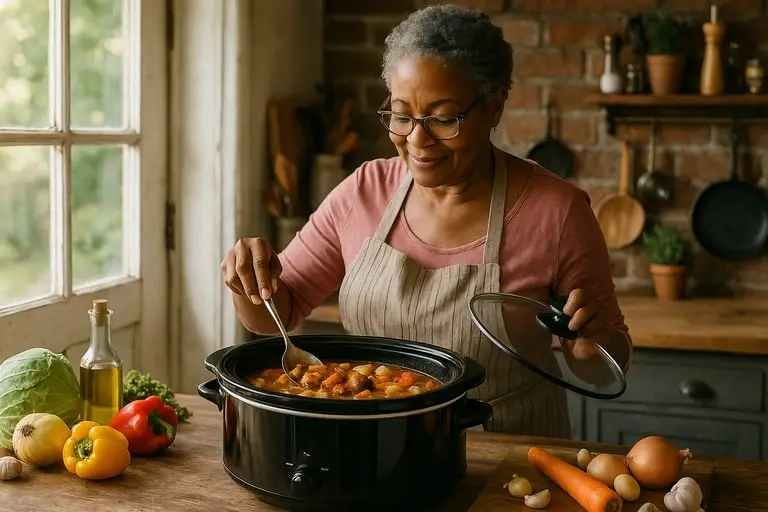
The sensory qualities of crock pot recipes enhance their appeal. The aroma of a dish simmering all day transforms a home, creating anticipation long before dinner is served. The visual satisfaction of lifting the lid to reveal tender meat falling apart or beans transformed into creamy richness underscores the magic of slow cooking. These sensory experiences connect food preparation to memory, reinforcing comfort through ritual.
Nutritionally, crock pot recipes offer balance when prepared thoughtfully. The method requires little added fat, relying on the natural richness of ingredients to build flavor. Legumes, vegetables, and lean proteins integrate seamlessly, creating meals that are wholesome as well as hearty. This balance explains why crock pot cooking remains relevant even as dietary preferences evolve toward wellness-conscious choices.
Professional kitchens draw from the principles behind crock pot recipes, even if they rely on braising pans or ovens instead of appliances. Chefs recognize that slow, gentle cooking yields results impossible to achieve otherwise, using similar techniques to elevate traditional dishes into refined presentations. This continuity confirms that crock pot recipes embody universal culinary truths rather than mere convenience.
Practicality further underscores their cultural value. In busy societies, crock pots allow cooks to prepare meals in the morning and return to complete dishes at night. This alignment with modern rhythms explains their enduring popularity, bridging the gap between tradition and contemporary demands. Their reliability reassures households that nourishment can coexist with demanding schedules.
Ultimately, crock pot recipes represent more than convenience—they symbolize patience, generosity, and tradition. They demonstrate that food need not be rushed to be meaningful, and that comfort arises from both flavor and ritual. In every simmering pot lies evidence of transformation, memory, and care, ensuring crock pot recipes remain timeless in kitchens worldwide.
Crockpot Meals and Recipe Mastery
Mastering crockpot meals requires an understanding of how time, heat, and proportion interact. While often described as “set it and forget it,” true mastery lies in appreciating the subtleties that distinguish good results from great ones. The crock pot is forgiving, but excellence depends on attention to detail before, during, and after cooking.
Ingredient selection defines success. Tougher cuts of meat, often overlooked in quick cooking, excel in crock pots, where slow heat breaks down collagen into gelatin, yielding tenderness. Vegetables such as carrots, potatoes, and celery withstand long cooking, while delicate greens or dairy require later addition. Recognizing these differences ensures balance across the dish.
Preparation techniques enhance outcomes. Searing meat before placing it in the crock pot develops Maillard reaction flavors that simmering alone cannot achieve. Sautéing aromatics like onions and garlic releases depth that infuses the entire dish. While optional, these preparatory steps distinguish ordinary meals from extraordinary ones, underscoring that mastery demands attentiveness even in convenience.
Liquid management remains essential. Because crock pots trap steam, evaporation is minimal, meaning recipes require less liquid than stovetop equivalents. Overfilling results in diluted flavors, while underfilling risks uneven cooking. Mastery involves adjusting liquid levels thoughtfully, ensuring dishes remain concentrated and flavorful without excess wateriness.
Timing influences texture profoundly. While crock pots allow for flexibility, not all ingredients benefit from extended cooking. Adding delicate components late in the process preserves integrity, while adjusting cooking times prevents meats from becoming stringy or vegetables from dissolving. Balancing timing reveals mastery in recognizing when ingredients reach their peak.
Seasoning strategies adapt to the method. Spices mellow over hours, requiring slightly stronger seasoning at the start or final adjustments before serving. Fresh herbs added at the end restore vibrancy, while citrus or vinegar brightens flavor. Mastery lies in anticipating transformations, ensuring balance from first bite to last.
Versatility further defines crock pot recipes. They accommodate stews, soups, roasts, and even desserts, illustrating adaptability across cuisines. From Mexican pozole to Indian curries or American pulled pork, the crock pot supports global traditions with equal ease. This universality affirms its place as a culinary bridge across cultures.
Professional mastery often involves scale and consistency. While restaurants may not use crock pots, they replicate principles of low, slow cooking with precision, ensuring results that resonate with the same richness. For home cooks, mastery arises from practice, refining intuition about timing, flavor balance, and proportion.
Nutritional awareness enhances recipe mastery. Lean proteins, whole grains, and vegetables thrive in crock pots, creating balanced meals without reliance on heavy fats. By embracing wholesome ingredients, cooks ensure crock pot meals deliver comfort alongside health, aligning tradition with modern wellness priorities.
Psychologically, mastering crock pot recipes provides reassurance. The act of preparing ingredients in the morning and returning to a finished meal fosters confidence and satisfaction, reinforcing cooking as ritual of care. This reassurance extends to diners, who associate crock pot meals with consistency and comfort.
Ultimately, recipe mastery with crock pots reflects harmony between tradition and modernity. By respecting time, layering flavors thoughtfully, and adjusting for balance, cooks elevate convenience into artistry. Crockpot meals, when approached with attentiveness, prove that even the simplest methods can yield profound culinary results.
Crock Pot Recipes and Everyday Comfort
Crock pot recipes resonate most deeply as everyday comfort food, blending convenience, tradition, and nourishment. More than appliances, crock pots embody reassurance, promising meals that are ready after long days while filling homes with warmth and anticipation. Their role as comfort food lies as much in ritual as in flavor.
The aroma of a crock pot meal defines comfort. As food simmers slowly throughout the day, its fragrance permeates the home, creating a sense of stability and grounding. This sensory experience transforms ordinary routines into occasions of comfort, where anticipation grows alongside aroma.
Culturally, crock pot recipes symbolize abundance. Large portions encourage sharing at family dinners, potlucks, or community gatherings, reinforcing values of generosity. Their presence at events demonstrates how food fosters connection, proving that comfort extends beyond taste into social bonds.
The adaptability of crock pot meals further reinforces comfort. From chili to roasts, soups to curries, recipes accommodate varied preferences while retaining essence of warmth and heartiness. This versatility ensures that comfort is not rigid but responsive, aligning with diverse cultural and personal contexts.
Psychologically, crock pot meals provide reassurance during stressful times. Their reliability—the knowledge that a meal is simmering gently, requiring little intervention—anchors households in routine and continuity. This stability becomes comfort in itself, proving that food nourishes through presence as much as consumption.
Modern lifestyles amplify relevance. In fast-paced societies, crock pots reconcile tradition with practicality, allowing families to enjoy homemade meals without sacrificing time. They bridge the gap between ancestral patience and modern necessity, sustaining comfort across changing circumstances.
From a nutritional perspective, crock pot recipes align with holistic comfort. Balanced dishes of protein, vegetables, and grains provide nourishment without excess, ensuring comfort does not conflict with health. This balance reinforces their role as daily staples that satisfy both body and spirit.
Professional kitchens embrace slow cooking principles in refined ways, affirming that comfort food can achieve elegance. Whether braises or soups, the underlying philosophy mirrors crock pot traditions: patience, transformation, and generosity. Comfort arises from method as much as outcome.
The communal act of sharing crock pot meals further defines comfort. Families and friends gather around large vessels, serving themselves generously, reinforcing bonds through abundance. In this way, crock pot recipes become rituals of care, sustaining memory and tradition.
Ultimately, crock pot recipes embody everyday comfort by uniting convenience, tradition, and community. They reassure with aroma, nourish with balance, and connect through sharing. In every simmering vessel lies affirmation that comfort food transcends taste, embodying care, stability, and continuity across cultures and generations.
The crock pot, often synonymous with slow cooking, has become a staple in households that value both convenience and comfort. What makes it extraordinary is its ability to transform basic ingredients into meals with depth and richness, all while requiring minimal effort from the cook.
Crock pot recipes are not simply about saving time but about reimagining the relationship between food and patience, reminding us that some of the best flavors emerge when we allow heat and time to work quietly in the background. They bridge tradition and modern living, proving that even in a busy world, home-cooked meals remain possible.
The history of the crock pot begins in the mid-twentieth century, when the invention of an electric countertop cooker revolutionized domestic kitchens. It was marketed to busy families as a tool that could prepare meals while they were away at work, ensuring a warm dinner at the end of the day.
Over the decades, crock pot recipes expanded from simple stews to include an enormous range of dishes, from roasts and soups to desserts and even breads. This adaptability has kept the appliance relevant, and today it continues to inspire cooks across the globe to experiment with both classic and innovative recipes.
One of the defining characteristics of crock pot cooking is its ability to handle tough cuts of meat. Recipes that might otherwise require intensive braising on the stovetop become effortless in this appliance. Beef chuck, pork shoulder, and lamb shanks break down slowly until they are tender and flavorful, infused with spices and herbs added at the beginning of the process. This transformation turns humble ingredients into memorable meals, proving that luxury need not come from expensive cuts but from careful cooking methods. Such recipes highlight the wisdom of resourceful traditions now made convenient by technology.
Vegetarian and plant-based crock pot recipes have also flourished. Lentils, beans, chickpeas, and root vegetables absorb seasonings beautifully during long cooking, creating dishes that are hearty, nourishing, and rich in character. Curries, chili, and vegetable stews emerge from the crock pot with flavors that feel layered and complete, requiring little more than preparation in the morning and minimal attention thereafter. For families seeking balance between nutrition and convenience, these recipes provide reassurance that healthful meals need not be sacrificed to busy schedules.
Soups and broths are perhaps the most iconic of crock pot recipes. The gentle, even heat extracts flavor from bones, vegetables, and aromatics, creating stocks with remarkable depth. Chicken soup, beef broth, or vegetable-based creations benefit from hours of simmering, yet require none of the constant skimming or oversight demanded by stovetop methods.
The result is liquid gold, ready to be sipped on its own or used as the foundation for countless other meals. In colder months, these recipes provide not just sustenance but also comfort, warming both body and spirit.
Crock pot recipes excel not only in traditional categories but also in creativity. Modern cooks have expanded the possibilities to include unexpected dishes such as lasagna, casseroles, and even breakfast porridges. Desserts like bread pudding, cobblers, and chocolate lava cakes demonstrate the versatility of the appliance, proving that it is not limited to savory foods alone.
This innovation reflects the adaptability of the crock pot itself — a simple tool capable of accommodating diverse tastes and occasions. The ever-growing library of recipes online ensures that inspiration is never far away.
From a cultural perspective, crock pot recipes embody communal and familial values. The very act of preparing a dish in the morning, allowing it to cook all day, and then gathering around the table in the evening reinforces rituals of togetherness. The aromas that fill the home throughout the day build anticipation, turning dinner into an event rather than a routine. Sharing these meals with family or friends strengthens connections, proving once again that food is most powerful when it is shared. The crock pot thus becomes more than a device; it becomes part of the fabric of daily life.
Nutritionally, crock pot recipes often emphasize whole, unprocessed ingredients, making them both practical and wholesome. Because the method relies on low, steady heat, nutrients are preserved better than in high-temperature techniques.
Legumes soften without losing their integrity, vegetables release natural sweetness, and lean proteins maintain juiciness without excess fat. This method allows for meals that align with modern health goals while still offering indulgent flavors. The minimal need for added oils or butter further enhances the appeal for those seeking balance between enjoyment and wellness.
Economically, crock pot recipes reflect resourcefulness. By extending the life of affordable ingredients, they allow households to prepare meals that feel abundant without overspending.
A bag of beans, a cut of inexpensive meat, and a handful of spices can stretch into meals that feed families for days. Leftovers often taste even better after resting overnight, making them ideal for meal prep and minimizing waste. In this sense, crock pot cooking embodies both sustainability and economy, aligning with the values of practicality and respect for food.
Modern technology has only expanded the potential of crock pot recipes. Today’s appliances often come with programmable timers, multiple heat settings, and even internet connectivity, allowing cooks to monitor and adjust meals remotely.
These innovations preserve the essence of the crock pot — convenience and transformation — while adapting to contemporary lifestyles. The popularity of recipe blogs, cooking shows, and online communities ensures that the tradition of sharing crock pot recipes remains vibrant, passing inspiration from one household to another across the globe.
The sensory experience of crock pot meals is a vital part of their appeal. The slow release of aromas fills a home with warmth long before the first bite is taken. The sight of tender meat falling apart, vegetables melding into rich sauces, and broths shimmering with flavor creates anticipation. The textures are soft, satisfying, and layered, providing comfort with every spoonful. These meals engage not just hunger but also memory and emotion, offering reassurance that some of the most meaningful foods are also the simplest.
Ultimately, crock pot recipes endure because they represent a union of tradition, convenience, and generosity. They prove that food does not need to be complicated to be extraordinary, that patience and care can elevate even the humblest ingredients. In a world that often prioritizes speed and instant gratification, the crock pot reminds us that time remains an essential ingredient. The meals it produces are not just nourishing but also symbolic of values that never lose relevance: family, connection, and the quiet magic of transformation. In every pot lies proof that simplicity, when respected, can yield remarkable depth.