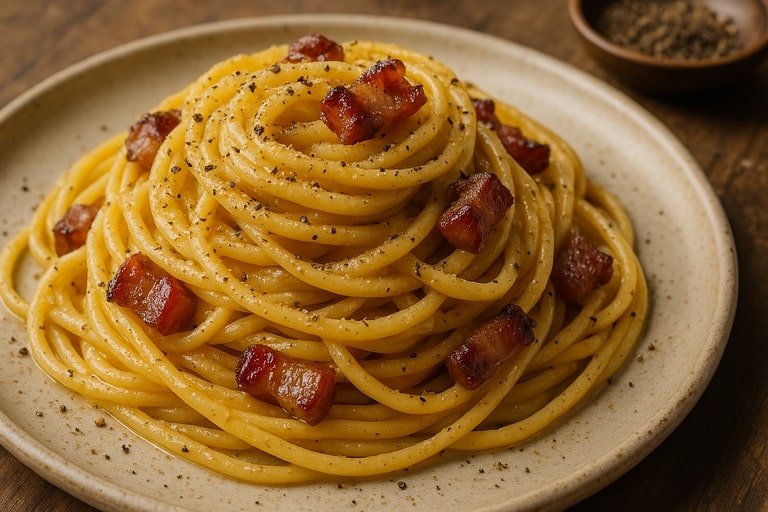
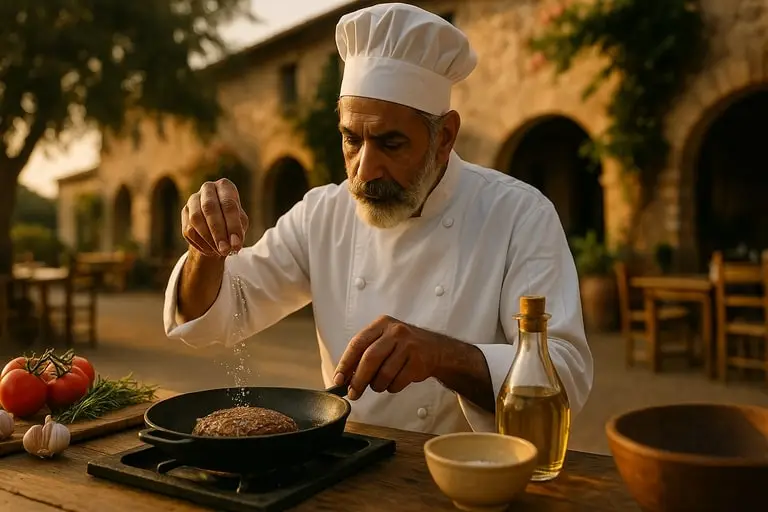
The concept of the master chef embodies centuries of culinary tradition, artistry, and dedication. Far more than a professional title, it represents mastery of flavor, technique, and presentation. A master chef is defined not only by technical ability but also by creativity, leadership, and respect for heritage. The traditions that underpin this identity stretch back to ancient kitchens where cooks prepared meals for nobility, evolving through the guild systems of Europe and continuing into today’s global culinary institutions. Becoming a master chef means upholding these traditions while innovating for the future.
The origins of the title are deeply tied to French gastronomy. In the nineteenth century, Auguste Escoffier revolutionized kitchens by systematizing roles, recipes, and service. His structured approach gave chefs not just responsibility but authority, elevating them from servants to respected professionals. This evolution paved the way for the modern conception of the master chef as figure of leadership and expertise. Today, the title resonates globally, applied across cuisines yet still connected to its classical roots.
Culinary training plays central role in achieving mastery. While passion drives individuals toward kitchens, years of practice, repetition, and refinement transform them into chefs of distinction. A master chef understands fundamentals so thoroughly that innovation becomes second nature. Knife skills, sauce preparation, and heat management are not mere tasks but extensions of discipline. Mastery of basics ensures freedom to create, underscoring how tradition provides foundation for innovation.
The master chef also embodies cultural stewardship. Food reflects heritage, memory, and identity, and chefs who rise to mastery respect these dimensions. They may reinterpret dishes but never dismiss their origins, recognizing that creativity is strongest when rooted in authenticity. In this sense, the master chef becomes both innovator and guardian, bridging past and present through cuisine.
Creativity distinguishes the master chef from the competent cook. Innovation may involve pairing unexpected ingredients, refining presentation, or reimagining traditions. Yet creativity is never arbitrary; it emerges from deep understanding of flavor, texture, and culture. A master chef balances artistry with restraint, ensuring dishes captivate without overwhelming. This balance defines the line between gimmickry and genuine mastery.
Leadership represents another defining quality. Master chefs oversee kitchens not just as culinary artists but as managers of people and processes. They mentor apprentices, coordinate teams, and ensure consistency across services. Their influence extends beyond plates into culture, where they set standards of professionalism and ethics. The ability to inspire and guide proves as essential as technical skill in defining mastery.
The sensory experience crafted by master chefs underscores their role as artists. A dish engages sight, smell, touch, and taste simultaneously, telling a story through form, fragrance, texture, and flavor. Every plate reflects intention, transforming meals into experiences that resonate emotionally as well as physically. This capacity to evoke memory and emotion distinguishes mastery from proficiency.
Culturally, master chefs symbolize excellence. Their presence in culinary competitions, restaurants, and media reinforces standards of quality while inspiring new generations. While television shows dramatize the role, the essence remains consistent: a master chef combines technical mastery with vision, elevating cuisine while sustaining tradition.
From a nutritional standpoint, master chefs increasingly embrace balance and responsibility. Beyond indulgence, they craft dishes that respect wellness, sustainability, and ethical sourcing. Mastery now requires not only culinary brilliance but also awareness of global issues, reflecting how chefs shape not just taste but values.
Ultimately, the master chef embodies tradition, creativity, leadership, and cultural responsibility. Their legacy lies not only in dishes served but in standards set, students mentored, and traditions preserved. The concept of the master chef will continue to evolve, yet its core meaning—culinary mastery expressed through care and artistry—endures.
Master Chef and Recipe Mastery
Recipe mastery defines one of the central roles of the master chef, where precision and creativity intersect. While anyone can follow instructions, a master chef interprets recipes with intuition, adjusting based on context, ingredients, and desired outcomes. This ability reflects years of practice, transforming written formulas into dynamic expressions of flavor and artistry.
Ingredient selection remains the first sign of mastery. A master chef evaluates freshness, seasonality, and provenance, recognizing that quality dictates success before cooking begins. They understand how to balance cost with quality, ensuring dishes achieve excellence while respecting resources. This attentiveness reflects respect for both ingredient and diner.
Preparation techniques highlight mastery further. Knife skills, for example, go beyond efficiency into aesthetics, ensuring consistency of cut that influences cooking time and presentation. Heat management distinguishes chefs who grasp the subtle interplay between caramelization, moisture retention, and timing. These technical abilities underpin every dish, affirming mastery’s reliance on fundamentals.
Adaptability defines the next level of mastery. Ingredients vary in quality, kitchens in equipment, and diners in preference. A master chef adjusts seasoning, cooking methods, or presentation seamlessly, ensuring excellence regardless of circumstance. This adaptability distinguishes professional artistry from rigid formula, proving that mastery arises from knowledge, not memorization.
Recipe mastery also involves balancing innovation with tradition. A master chef may reinterpret classics but does so with respect, understanding their cultural and historical significance. For example, reimagining coq au vin or ramen requires honoring essence while introducing personal vision. This balance between preservation and evolution sustains culinary traditions while propelling them forward.
Taste calibration is perhaps the most intangible yet defining aspect of mastery. Years of practice refine palates to detect subtle imbalances in salt, acid, sweetness, or bitterness. A master chef tastes constantly, adjusting until dish achieves harmony. This discipline transforms cooking from craft into art, where perfection emerges from detail.
Presentation elevates recipes into experiences. A master chef understands that plating shapes perception as much as flavor. Colors, textures, and arrangements tell stories, engaging diners before the first bite. Mastery in presentation reinforces the chef’s role as artist, transforming meals into multi-sensory encounters.
Leadership also manifests in recipe mastery. By teaching apprentices not just how but why recipes succeed, master chefs pass on knowledge that sustains culinary standards. Their influence multiplies, shaping kitchens far beyond their own. This pedagogical role ensures that mastery endures across generations.
Professional contexts amplify expectations. Michelin-starred restaurants, culinary schools, and competitive arenas demand consistency at the highest level. Master chefs deliver, balancing pressure with artistry, proving that recipe mastery involves not only skill but resilience. Their ability to replicate excellence under scrutiny defines reputation.
Modern dimensions of mastery incorporate sustainability. Recipes now account for ethical sourcing, environmental impact, and nutritional balance. A master chef integrates these considerations seamlessly, ensuring dishes remain relevant to contemporary diners while preserving timeless appeal.
Ultimately, recipe mastery for the master chef reflects harmony between skill, creativity, and responsibility. By selecting ingredients thoughtfully, respecting tradition, innovating wisely, and presenting artfully, they elevate recipes into legacies. Master chefs transform food from sustenance into expression, embodying excellence through every plate.
Master Chef and Cultural Influence
The cultural influence of the master chef extends far beyond the kitchen, shaping how societies perceive food, dining, and even identity. More than culinary professionals, master chefs serve as cultural ambassadors, innovators, and storytellers, using cuisine as medium to connect people across traditions, regions, and generations.
In local contexts, master chefs preserve heritage. By safeguarding traditional recipes and techniques, they ensure cultural knowledge survives modernization. Whether maintaining artisanal bread-making, traditional fermentation, or regional stews, master chefs act as custodians, keeping living history vibrant through practice. Their influence affirms that food embodies culture as much as sustenance.
Globally, master chefs represent their nations. Culinary competitions and international collaborations showcase their expertise, transforming individual dishes into cultural statements. Sushi masters, French pâtissiers, or Italian pasta makers become icons of heritage, inviting the world to appreciate culture through food. This role elevates cuisine into diplomacy, where taste fosters understanding.
Media amplifies their influence further. Television programs, cookbooks, and digital platforms bring master chefs into homes worldwide, democratizing knowledge while inspiring future cooks. While dramatized portrayals often emphasize competition, they nonetheless affirm public respect for culinary mastery. This visibility reinforces chefs as cultural figures with influence beyond kitchens.
Master chefs also shape dining culture. By elevating standards of service, sourcing, and presentation, they transform expectations of what meals can represent. Restaurants led by master chefs become destinations, blending hospitality with artistry. In doing so, they influence trends, inspiring both professional and home cooks to pursue higher standards.
Culturally, they embody values of dedication, patience, and artistry. Their careers often span decades of refinement, symbolizing resilience and commitment. These qualities inspire admiration and provide models for excellence in fields beyond cuisine. The image of the master chef, disciplined yet creative, resonates universally.
Their influence extends into sustainability and responsibility. Many advocate for local sourcing, waste reduction, and ethical practices, shaping how societies approach food systems. In this sense, master chefs influence not only palates but policies, demonstrating that culinary leadership carries moral dimensions.
Psychologically, master chefs provide inspiration. Their mastery demonstrates that excellence is attainable through dedication and practice, reinforcing values of discipline and perseverance. For aspiring chefs, they embody goals, while for diners, they symbolize artistry that transforms everyday meals into experiences.
The sensory artistry of master chefs further influences culture. Dishes that combine visual elegance, aromatic complexity, and balanced flavors become benchmarks of beauty, shaping cultural definitions of taste. Their creations inspire trends in photography, writing, and lifestyle, proving that culinary influence permeates multiple domains.
Ultimately, the cultural influence of the master chef reflects the intersection of tradition, innovation, and responsibility. They preserve heritage while embracing modernity, inspire admiration while modeling dedication, and shape societies by elevating food into art. In every plate served, they embody not just culinary mastery but cultural significance, ensuring their legacy extends far beyond the kitchen.
The idea of a master chef is inseparable from the concept of culinary excellence, a figure who embodies not only technical skill but also creativity, leadership, and vision. In kitchens around the world, the presence of such a chef elevates cooking from craft to art, transforming ordinary ingredients into extraordinary experiences.
A master chef is not defined solely by knowledge of recipes but by the ability to innovate while respecting tradition, to guide teams with authority and care, and to communicate culture and passion through food. The very title suggests mastery of both technique and spirit, proof that cooking can transcend function and become a lifelong pursuit of perfection.
Historically, the concept of culinary mastery developed alongside the evolution of professional kitchens. In Europe, particularly France, chefs such as Escoffier formalized systems that shaped modern gastronomy, establishing hierarchies, techniques, and principles that defined what it meant to lead a kitchen. These early pioneers were not only cooks but also organizers, codifying methods that turned chaotic cooking into a disciplined profession.
The legacy of those early figures lives on in today’s master chefs, whose authority stems not just from personal skill but also from their ability to maintain order, inspire innovation, and uphold standards that resonate globally.
The technical foundation of a master chef is rigorous training. Years are spent mastering knife skills, sauces, baking, butchery, and plating. Precision is paramount: knowing how to balance salt and acid, how to control heat, and how to layer flavors until they sing in harmony. Yet true mastery goes beyond repetition of techniques. It is about understanding why processes work, how flavors interact, and when to break rules for the sake of creativity.
This depth of knowledge allows a master chef to improvise confidently, turning mistakes into opportunities and ordinary ingredients into extraordinary dishes.
Creativity is another defining quality. A master chef does not merely replicate recipes but reimagines them, finding new ways to express tradition or invent original concepts. This creative spark distinguishes those who reach the highest levels from those who remain technicians. It is not enough to know how to braise or roast; one must know how to tell a story through flavor, to evoke emotion with aroma and texture. In this sense, the master chef is not just a cook but also an artist, using food as a medium to explore memory, culture, and imagination.
Leadership plays an equally critical role. In a professional kitchen, the master chef is often the guiding force, directing a brigade of cooks, sous chefs, and apprentices. The role requires authority tempered with empathy, the ability to demand excellence while nurturing growth. Kitchens are high-pressure environments, and it falls to the leader to maintain discipline without extinguishing creativity, to balance efficiency with artistry. The best master chefs are remembered not only for their dishes but also for the generations of cooks they mentored, passing on knowledge that ensures the continuation of culinary traditions.
Culturally, the master chef has become a global icon. Television shows, competitions, and media portrayals have transformed chefs into celebrities, inspiring audiences to appreciate food in new ways. While some criticize the dramatization of kitchens, there is no denying the impact: people now view chefs as cultural figures, storytellers whose work carries symbolic weight.
For aspiring cooks, the image of the master chef represents a dream — proof that passion, discipline, and creativity can lead to recognition and influence. This cultural visibility has raised the profile of gastronomy worldwide, expanding appreciation for food beyond taste alone.
The sensory artistry of a master chef’s work cannot be overstated. Each dish is a composition, balancing colors, aromas, textures, and flavors to create harmony on the plate. This artistry demands not only technical precision but also intuition, the ability to sense when a dish feels complete. For diners, eating food prepared by a master chef is often described as transformative, an experience that goes beyond hunger to touch memory and emotion. It is this ability to elevate eating into experience that defines true culinary mastery.
Economically, the role of the master chef also carries weight. Restaurants led by such figures often become destinations, driving tourism and creating jobs. Their influence extends to supply chains, as demand for specific ingredients shapes farming, fishing, and production. Cookbooks, television programs, and product lines further expand their reach, proving that mastery in the kitchen can resonate across industries. The master chef thus becomes not only an artist but also an economic driver, linking culture and commerce through food.
The journey to becoming a master chef is not easy. It requires years of dedication, often beginning with long hours of apprenticeship, where the aspiring chef learns humility, resilience, and endurance. Mistakes are frequent, and criticism is constant, but each challenge is a step toward mastery. This path teaches that greatness is not achieved overnight but through persistence, sacrifice, and an unwavering commitment to improvement. Those who achieve the title of master chef carry the scars of discipline and the pride of having endured.
Psychologically, the identity of a master chef is complex. The pressure of leadership, the demand for perfection, and the constant need for innovation can weigh heavily. Yet for many, the kitchen is also a sanctuary, a place where creativity finds expression and passion becomes tangible. The balance between pressure and reward defines the life of a chef at the highest level. Those who thrive in this environment embody resilience and adaptability, qualities as essential as technical skill.
Globally, the influence of master chefs has created bridges between cultures. By interpreting cuisines, they introduce audiences to flavors and traditions they might never encounter otherwise. A master chef trained in French technique may adapt Japanese ingredients, or a Mexican chef may reinterpret indigenous traditions for modern audiences.
This exchange enriches global gastronomy, creating a dialogue between cultures that deepens appreciation and understanding. Food, through the work of these chefs, becomes diplomacy, art, and storytelling all at once.
Ultimately, the master chef represents the pinnacle of culinary achievement. They embody tradition, innovation, artistry, and leadership, proving that food is not only about feeding the body but also about inspiring the mind and nourishing the soul.
Their legacy is measured not only in dishes served but also in the generations of cooks they influence, the cultures they honor, and the experiences they create. In their hands, cooking becomes something greater than craft — it becomes a philosophy of life, where discipline and creativity meet to create beauty on every plate.
The rise of celebrity chefs represents one of the most fascinating cultural transformations of the modern era, where cooks who once labored anonymously behind kitchen doors have become public figures, entertainers, and influencers on a global stage.
A celebrity chef today is not only a master of cooking but also a communicator, a storyteller, and often a brand in their own right. This evolution reflects how society’s relationship with food has changed, as dining has moved from necessity to art, and from art to entertainment. These chefs embody the intersection of skill and charisma, elevating gastronomy into mainstream culture.
Historically, chefs were rarely known beyond the restaurants they worked in, with recognition limited to elite circles of diners or critics. The emergence of television in the mid-twentieth century changed everything, allowing audiences to see not only the dishes but also the personalities behind them.
Figures like Julia Child introduced cooking as both education and entertainment, making the art of French cuisine accessible to American households. Later, shows like those of Graham Kerr or James Beard built on this foundation, creating the first generation of chefs recognized as celebrities. This marked the beginning of an era where culinary skill became intertwined with media presence.
The explosion of food television in the late twentieth and early twenty-first centuries transformed celebrity chefs into global icons. Channels devoted entirely to food, such as Food Network, created a stage where chefs could showcase not only recipes but also lifestyles.
Programs shifted from simple instructional segments to high-drama competitions, travel adventures, and reality shows that highlighted personalities as much as plates. This new format demanded more than technical ability; it required charisma, relatability, and the ability to tell stories that resonated with viewers. The result was a generation of chefs whose fame rivaled that of film stars.
The role of the celebrity chef extends far beyond the kitchen. They are educators who inspire audiences to cook at home, entrepreneurs who launch restaurants around the world, and authors whose cookbooks top bestseller lists. Many develop product lines, from cookware to sauces, ensuring their influence extends into everyday households. Their image often becomes synonymous with authenticity and quality, persuading consumers to trust their recommendations. In this way, celebrity chefs straddle multiple industries, driving economic growth while shaping cultural trends.
Culturally, the rise of these figures has elevated public interest in food to unprecedented levels. Once seen as mundane, cooking has become aspirational, a hobby and even a lifestyle for millions inspired by televised chefs. They have encouraged audiences to experiment with new cuisines, embrace fresh ingredients, and respect the traditions behind recipes.
At the same time, they have transformed restaurants into destinations, with diners traveling across countries to experience the creations of chefs they admire. In this way, celebrity chefs have democratized gastronomy while simultaneously elevating it.
However, fame comes with its own challenges. The demands of television, media appearances, and global business ventures can pull celebrity chefs away from the very kitchens that made them famous. Critics sometimes argue that their food suffers as a result, or that personality overshadows culinary substance. Yet for many, the celebrity chef model offers a platform to amplify their vision, inspire new generations, and expand the boundaries of what food culture can be. Navigating the balance between artistry and entertainment is one of the defining challenges of this role.
The personalities of celebrity chefs often shape their success as much as their skills. Some are known for fiery tempers and high-pressure kitchens, others for warmth and approachability. This diversity reflects the fact that audiences connect not only with food but also with character. For viewers, the chef becomes a symbol of inspiration — whether through toughness, charm, or humor. These connections demonstrate that celebrity chefs are not simply cooks but also cultural figures who reflect different values and aspirations.
The influence of celebrity chefs extends into global issues as well. Many use their platforms to advocate for sustainability, nutrition, and ethical food systems. Campaigns against food waste, promotions of farm-to-table dining, and calls for healthier eating habits often originate from these prominent voices.
Because they command attention, celebrity chefs wield power not only over trends but also over conversations that shape public policy and consumer behavior. Their ability to merge entertainment with advocacy highlights their unique role in shaping both culture and conscience.
From an economic perspective, celebrity chefs drive entire industries. Their restaurants often attract tourists, boosting local economies, while their endorsements create markets for products ranging from knives to frozen meals.
Television ratings, book sales, and online followings all translate into financial impact, proving that food culture is as commercially viable as any other form of entertainment. The rise of food festivals, branded experiences, and global dining tours further illustrates how celebrity chefs have turned gastronomy into a cornerstone of lifestyle industries.
Psychologically, these chefs serve as role models for both aspiring professionals and home cooks. Their visibility transforms what was once a hidden craft into an aspirational career, inspiring young cooks to pursue culinary education and dream of Michelin stars. At the same time, their approachable demonstrations empower ordinary people to cook confidently at home, demystifying techniques and ingredients. The dual role — both aspirational and relatable — ensures their enduring influence across all levels of society.
Globally, the reach of celebrity chefs bridges cultures. Through travel shows and international restaurants, they introduce audiences to unfamiliar cuisines, fostering appreciation for diversity and dialogue between traditions. They act as ambassadors of food diplomacy, showcasing the richness of human creativity through flavor. Whether exploring street food in Southeast Asia or reinterpreting classic French dishes, celebrity chefs help people understand that food is more than sustenance — it is identity, memory, and connection.
Ultimately, the phenomenon of celebrity chefs illustrates how food has become one of the most powerful forms of cultural expression in the modern age. They embody excellence, creativity, and charisma, transforming kitchens into stages and meals into performances.
Their influence reshapes the way people cook, eat, and think about food, proving that gastronomy belongs not only to restaurants but to everyday life. Whether admired for their artistry, inspiration, or entertainment, celebrity chefs endure as symbols of how passion, skill, and vision can transcend borders and unite people around the shared joy of food.