Slow cooker recipes have become synonymous with convenience, comfort, and flavor, offering a way to transform simple ingredients into hearty meals through the steady application of low heat over time. While modern slow cookers, often known as crockpots, only entered kitchens in the twentieth century, the principles they embody—gentle simmering, patient transformation, and resourceful use of ingredients—reflect traditions as old as cooking itself. In many ways, slow cooker recipes represent both continuity and evolution, bridging ancestral methods with modern lifestyles.
The origins of slow cooking predate electricity, rooted in clay pot stews simmered over low flames for hours. Cultures worldwide perfected versions of this method: tagines in Morocco, stews in Eastern Europe, and braises across Asia all highlight the value of patience. The invention of the electric slow cooker in the 1970s popularized this ancient philosophy for modern households, enabling cooks to prepare meals while balancing busy schedules. This technological adaptation explains why slow cooker recipes remain beloved, offering both practicality and tradition.
The appeal of slow cooker recipes lies in transformation. Tough cuts of meat, fibrous vegetables, and basic legumes, when subjected to hours of gentle heat, soften into tenderness while flavors meld seamlessly. Collagen in meat breaks down into gelatin, thickening broth naturally, while vegetables release sweetness that enriches the dish. This process illustrates the philosophy of “time as ingredient,” where patience is as vital as seasoning.
Flavor integration distinguishes slow cooker recipes from quick methods. Instead of layering flavors hastily, slow cooking encourages gradual blending. Spices permeate deeply, herbs release aromatic oils steadily, and liquids concentrate without harshness. The result is depth of flavor that feels both rustic and refined, proving that convenience does not preclude quality.
Culturally, slow cooker recipes reflect adaptation. In American households, they became staples of weeknight dinners, potlucks, and family gatherings. Globally, the method resonates because it mirrors traditions already familiar in other cuisines. Whether preparing chili, curries, or roasts, the slow cooker accommodates global recipes with ease, proving that its appeal lies not in novelty but in universality.
The sensory experience of slow cooker recipes contributes to their popularity. The aroma of food simmering gently throughout the day fills homes with anticipation, signaling comfort long before serving. Visually, the sight of bubbling broth or tender meat falling apart by evening embodies satisfaction, while the act of lifting the lid reveals transformation that feels almost magical.
From a nutritional perspective, slow cooker recipes offer balance. Because they often rely on whole ingredients—vegetables, legumes, lean proteins—they encourage wholesome eating. Gentle cooking preserves nutrients more effectively than high-heat methods, while the ability to control salt, sugar, and fats aligns with modern wellness priorities. Thus, slow cooker recipes sustain both health and indulgence.
Professional kitchens also embrace slow cooking principles, though often with ovens or sous-vide techniques rather than crockpots. Chefs appreciate the depth of flavor and tenderness that long cooking provides, incorporating such methods into refined dishes. This overlap affirms that slow cooker recipes reflect timeless culinary values rather than shortcuts.
Practicality enhances their cultural role. In fast-paced societies, slow cookers allow meals to prepare themselves while cooks focus on work or family. This alignment with modern rhythms explains their sustained relevance, as they reconcile tradition with contemporary needs. The ability to place ingredients in a pot in the morning and return to a ready meal in the evening illustrates convenience without compromise.
Ultimately, slow cooker recipes symbolize patience, transformation, and comfort. They prove that time, when respected, creates flavors and textures impossible to replicate through haste. In every simmering pot lies the essence of tradition and adaptation, ensuring slow cooker recipes remain timeless companions in kitchens worldwide.
Slow Cooker and Recipe Mastery
Mastering slow cooker recipes requires more than assembling ingredients and pressing a button; it demands awareness of how time, temperature, and proportion interact. While accessible, success depends on understanding the unique dynamics of slow cooking, where precision differs from but equals the demands of faster techniques. Recipe mastery elevates slow cooker meals from convenience to culinary artistry.
Ingredient choice forms the foundation of mastery. Tough cuts of meat such as chuck or brisket excel because collagen transforms into gelatin, enriching broth and tenderizing texture. Lean cuts, by contrast, may dry out, illustrating why selection matters. Root vegetables like carrots and potatoes withstand long cooking, while delicate greens require later addition. Recognizing these differences ensures balance.
Layering flavors remains essential. Searing meat or sautéing aromatics before adding them to the slow cooker develops depth that simple simmering cannot replicate. While slow cookers excel at melding flavors, they do not create caramelization on their own. Taking time for these preparatory steps distinguishes average recipes from exceptional ones.
Liquid ratios define outcomes. Too much liquid results in diluted flavor, as slow cookers lose little through evaporation, while too little risks scorching. Recipes often call for less liquid than stovetop versions, reflecting the cooker’s closed environment. Mastery involves adjusting ratios to suit ingredients and intended texture.
Timing further influences success. While slow cookers offer flexibility, prolonged cooking can still compromise delicate ingredients. Adding vegetables or dairy later in the process preserves texture and prevents curdling. Understanding when to incorporate each element reflects attentiveness, proving that convenience does not excuse negligence.
Seasoning strategies also require adjustment. Spices mellow over hours of cooking, necessitating slightly higher initial seasoning or a final adjustment before serving. Fresh herbs often lose vibrancy if added too early, so garnishing with parsley or cilantro at the end restores brightness. Mastery lies in anticipating these transformations.
Recipe adaptability amplifies relevance. Slow cookers accommodate global dishes—from Indian curries to French coq au vin—by respecting their essential structures while adjusting techniques. This adaptability demonstrates the method’s universality, proving that mastery arises not from rigid adherence but from thoughtful translation across traditions.
Professional mastery involves scale and consistency. Restaurants preparing large batches of braised dishes mirror slow cooker principles, adjusting temperature and timing to ensure uniformity. For home cooks, mastery involves understanding the quirks of individual machines, as settings vary in heat intensity. Through practice, cooks develop intuition for timing and proportion.
Nutritionally, mastery ensures balance. By limiting fats, incorporating legumes, and emphasizing whole ingredients, slow cooker recipes nourish as well as comfort. This approach transforms perception of slow cooking from indulgence alone into holistic sustenance. Mastery therefore aligns tradition with wellness.
Psychologically, slow cooker mastery represents control through patience. In a fast-paced world, committing to long cooking reflects discipline and trust in process. The satisfaction of uncovering a finished meal after hours of waiting reinforces the philosophy that attentiveness, even in absence, yields reward.
Ultimately, recipe mastery in slow cookers reflects respect for time, balance, and process. By selecting ingredients thoughtfully, layering flavors, adjusting ratios, and honoring patience, cooks elevate convenience into art. Mastery proves that even with modern appliances, true excellence arises from knowledge, care, and tradition.
Slow Cooker Recipes and Everyday Comfort
Slow cooker recipes resonate most powerfully as sources of everyday comfort, embodying warmth, stability, and community. More than convenience, they symbolize reassurance, offering sustenance that reflects both heritage and adaptation to modern life. Their role as comfort food lies not only in flavor but in ritual and connection.
The aroma of a slow cooker meal defines comfort. From morning through evening, scents of simmering meat, vegetables, and spices fill homes, providing background warmth and anticipation. This prolonged sensory experience reassures, transforming ordinary days into occasions of comfort and stability.
In households, slow cooker recipes often anchor family routines. Placing ingredients into the pot before leaving for work ensures dinner is ready upon return, reducing stress while affirming care. This ritual of preparation and return reinforces the role of food as foundation of stability.
Culturally, slow cooker recipes represent sharing. Large portions encourage generosity, whether for family dinners, potlucks, or gatherings. The ease of preparation ensures inclusivity, making it possible to feed many without strain. In this way, slow cookers embody values of hospitality and community.
Psychologically, slow cooker meals evoke reassurance through consistency. Knowing that food simmers gently while life unfolds creates sense of security. The reliability of the process, requiring little intervention, reassures cooks and diners alike, affirming that care continues even without constant attention.
The adaptability of slow cooker recipes contributes to comfort. Soups, stews, curries, and roasts all translate into slow cooking, ensuring variety without complexity. This versatility ensures relevance across households, dietary preferences, and cultural contexts, proving that comfort adapts while retaining essence.
From nutritional perspective, slow cooker comfort aligns with balance. Ingredients simmer without heavy fats or excessive oils, relying instead on natural richness of meats, vegetables, and legumes. This approach provides sustenance that satisfies both palate and wellness goals, reinforcing comfort as holistic.
Modern lifestyles amplify slow cooker comfort. In fast-paced societies, they reconcile tradition with practicality, enabling families to enjoy homemade meals without sacrificing time. Even as culinary trends shift, the slow cooker persists because it aligns with human desire for both nourishment and ease.
Professional kitchens recognize slow cooking’s role in comfort by elevating its principles into refined contexts. Whether braises, stews, or soups, chefs apply similar patience and techniques, proving that slow cooking transcends appliances to embody universal culinary truths. Comfort arises from method as much as outcome.
Ultimately, slow cooker recipes embody everyday comfort by uniting tradition, practicality, and sensory pleasure. They reassure through aroma, nourish through balance, and connect through sharing. In every pot that simmers quietly throughout the day lies affirmation of continuity, care, and comfort that sustains households across time and culture.
The slow cooker has become one of the most cherished tools in modern kitchens, transforming the way families prepare meals by offering convenience without compromising flavor. What makes it unique is its ability to replicate traditional methods of low and slow cooking with ease, freeing the cook from constant attention while still delivering dishes that taste as though they have simmered all day on the stovetop. Slow cooker recipes embody patience, warmth, and comfort, yet they also align perfectly with busy lives, proving that technology and tradition can coexist harmoniously. They demonstrate how food culture adapts without losing its roots.
The history of slow cooking predates the appliance itself. For centuries, cultures around the world relied on simmering stews over low fires, clay ovens, or embers, creating meals that developed depth over time. The invention of the electric slow cooker in the twentieth century revolutionized this process, making it accessible to anyone with an outlet and a few ingredients. What once required watchfulness became nearly effortless: add ingredients to the pot, set the heat, and let time do the rest. This convenience gave rise to an explosion of slow cooker recipes, each adapted from traditions yet designed for modern efficiency.
At the heart of these recipes lies the principle of transformation. Tough cuts of meat that might otherwise be unappealing are rendered tender and flavorful after hours in the slow cooker. Root vegetables absorb seasonings and release their sweetness, beans soften into creamy consistency, and spices meld into rich, layered profiles. Unlike quick meals that emphasize immediacy, slow cooker recipes emphasize evolution, where flavors are coaxed gradually and textures are refined through time. The magic lies not in complexity but in patience, proving that the simplest inputs can yield extraordinary results.
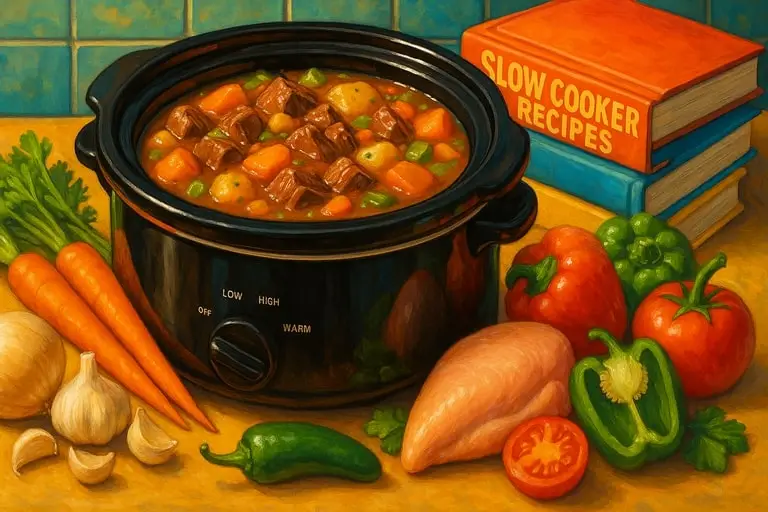
One of the most beloved categories of slow cooker recipes is stews and soups. These dishes epitomize comfort, combining proteins, vegetables, and broth into meals that are hearty and nourishing. The gentle heat prevents ingredients from breaking down too quickly, allowing them to maintain integrity while infusing the liquid with flavor. From classic beef stew to lentil soup enriched with herbs, these recipes deliver warmth on cold days and provide leftovers that often taste even better the next day. They remind us that some of the most satisfying meals are those that feel like they have always been part of home life.
Slow cooker recipes also excel in showcasing global flavors. Curries, tagines, and braised dishes from diverse traditions adapt perfectly to this method, as they rely on long cooking times to achieve depth. Coconut milk blends seamlessly with spices, meats fall apart into tender strands, and vegetables absorb seasonings fully.
By experimenting with different spice blends and regional ingredients, home cooks can travel the world through their slow cooker, preparing meals that connect them with traditions far beyond their own kitchens. This versatility underscores the global resonance of slow cooking as a technique.
Another strength of slow cooker recipes lies in their practicality for everyday life. Families can prepare meals in the morning, set the appliance to cook throughout the day, and return home to find dinner ready and waiting.
This eliminates stress, reduces reliance on takeout, and ensures more consistent family meals. For working parents, students, or anyone with a busy schedule, the slow cooker acts as both assistant and safeguard, ensuring nourishment without constant oversight. Recipes designed for convenience demonstrate how modern lifestyles still crave home-cooked meals, even when time is scarce.
Nutritionally, these recipes often provide balance and wholesomeness. Because the method relies on low heat, nutrients are better preserved than in high-heat cooking methods. Whole grains, beans, lean meats, and vegetables can all be incorporated seamlessly, creating meals that are complete and satisfying.
The minimal need for added fats also makes them healthier, as the long cooking process naturally enhances flavor without relying on heavy oils. When thoughtfully prepared, slow cooker recipes align with wellness goals while still delivering indulgent taste, proving that convenience and health can coexist in the same dish.
The sensory experience of slow cooking is part of its charm. As the hours pass, aromas intensify, filling the home with warmth and anticipation. Lifting the lid at the end reveals tender textures and rich colors, while the steam carries scents that immediately stimulate appetite.
Eating these meals engages not only taste but also memory, as the process often evokes traditions of family kitchens and shared tables. The rhythm of slow cooking offers a kind of reassurance, a reminder that some of life’s greatest pleasures come not from rushing but from allowing time to work its quiet magic.
Culturally, slow cooker recipes continue traditions of sharing and generosity. Large pots of stew or chili are ideal for gatherings, potlucks, and celebrations, where abundance is as important as taste. The very nature of these meals encourages sharing, as they are made in quantities that often exceed individual needs.
Serving them in communal settings strengthens bonds, affirming that food is not only about sustenance but also about connection. In this way, slow cooker recipes carry forward the communal spirit of cooking that has defined human culture for millennia.
Economically, they demonstrate wisdom and resourcefulness. By making use of affordable ingredients like beans, grains, and tougher cuts of meat, slow cooker recipes produce meals that feel luxurious without straining budgets. Leftovers extend their value further, often becoming even more flavorful over time. This practicality, combined with indulgence, explains why slow cooking endures in both humble and affluent households alike. It proves that extraordinary meals can come from ordinary resources, provided they are given the gift of time.
Modern innovations continue to expand the possibilities of slow cooker recipes. Multi-functional appliances combine slow cooking with pressure cooking, sautéing, and steaming, offering flexibility without sacrificing tradition. Online communities share endless variations, from classic roasts to inventive vegan creations, ensuring inspiration is never far away. Despite these changes, the essence remains constant: patience, simplicity, and transformation. Whether the recipes are centuries old or newly invented, they all rest on the same principle — allowing time and heat to elevate ingredients into something remarkable.
Ultimately, slow cooker recipes endure because they embody values that remain timeless: patience, nourishment, and care. They are meals that respect both tradition and modern life, providing depth of flavor without demanding constant attention. They remind us that food is not only about eating but also about the processes that bring families together, create memories, and affirm values of resourcefulness and generosity. In every bowl of soup, every braise, every tender cut of meat that emerges from the slow cooker, there is proof that time itself is the greatest ingredient of all.