Foods to boost immune system function provide one of the most powerful ways to protect health, reduce illness, and support recovery. The immune system is a complex network of cells, tissues, and signaling pathways that defends the body against infections and chronic disease. Like any system, it requires fuel, and that fuel comes directly from the nutrients consumed daily. A diet rich in immune boosting foods ensures that the body receives the vitamins, minerals, and antioxidants necessary to maintain balance and resilience. Unlike supplements that often target one nutrient, whole foods deliver synergistic combinations that amplify effectiveness, offering comprehensive protection. The best foods for immunity reflect nature’s ability to combine flavor with function, transforming meals into tools for wellness.
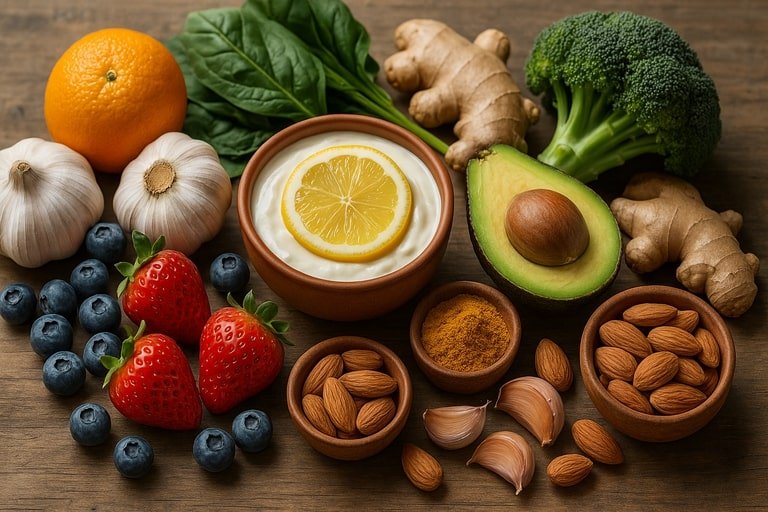
Citrus fruits such as oranges, lemons, and grapefruits remain iconic immune boosting foods because of their high vitamin C content. Vitamin C enhances white blood cell production, strengthens skin barriers, and acts as a potent antioxidant. Regular intake reduces the duration and severity of colds while supporting long-term immune resilience. While supplements provide concentrated doses, natural sources deliver additional phytochemicals that improve absorption and add further benefits, proving that food remains the best foundation for immunity.
Leafy greens such as spinach, kale, and Swiss chard provide vitamins A, C, and K along with minerals like magnesium and iron. These nutrients play essential roles in immune regulation, from antibody production to oxygen transport in red blood cells. The antioxidants in greens neutralize free radicals that weaken defenses, while their fiber supports gut health, which directly influences immunity. Consistent consumption of greens ensures a steady supply of diverse nutrients, reinforcing the body’s protective systems.
Berries, including blueberries, strawberries, and blackberries, contribute anthocyanins and polyphenols, compounds with strong anti-inflammatory properties. Inflammation undermines immunity when chronic, but antioxidants in berries help regulate this response. They also provide vitamin C and manganese, enhancing immune signaling pathways. Their versatility in smoothies, breakfasts, or snacks makes them an easy and enjoyable addition to a diet focused on immune strength.
Garlic and onions serve as functional foods with centuries of recognition for immune benefits. Garlic contains allicin, a compound with antimicrobial properties that fight infections. Onions provide quercetin, a flavonoid that reduces inflammation and enhances antiviral responses. Together, they add flavor to meals while fortifying immunity at the cellular level. Their role in traditional medicine is now validated by scientific studies, highlighting their effectiveness in natural immune support.
Ginger and turmeric also rank highly among foods to boost immune system health. Ginger contains gingerol, which reduces oxidative stress and inflammation, while turmeric’s curcumin enhances immune signaling and protects against chronic conditions. Combined, they provide warmth and healing properties that soothe infections and support recovery. Used in teas, soups, or curries, these spices demonstrate how culinary traditions reinforce immunity naturally.
Nuts and seeds provide zinc, vitamin E, and healthy fats that strengthen immune responses. Zinc accelerates wound healing and supports white blood cell activity, while vitamin E acts as an antioxidant that protects cells from damage. Almonds, sunflower seeds, and pumpkin seeds supply these nutrients in convenient, nutrient-dense forms. Their balance of protein, fiber, and fats also stabilizes energy, indirectly supporting overall resilience.
Fermented foods such as yogurt, kefir, sauerkraut, and kimchi supply probiotics that maintain gut microbiota balance. The gut houses a significant portion of the immune system, and healthy bacteria ensure proper signaling and defense against pathogens. Regular intake of probiotics enhances digestion, nutrient absorption, and immune regulation, demonstrating the deep connection between gut and immune health. These foods showcase how microbial diversity directly translates into stronger immunity.
Seafood, particularly fatty fish like salmon, mackerel, and sardines, delivers omega-3 fatty acids that regulate inflammation and enhance immune cell function. Omega-3s improve communication between cells, reduce chronic inflammation, and support cardiovascular health, which indirectly benefits immunity. The vitamin D found in fatty fish also contributes to immune modulation, ensuring a comprehensive impact. For those avoiding animal products, flaxseeds and chia seeds provide plant-based alternatives for omega-3 intake.
Legumes such as beans, lentils, and chickpeas provide plant-based protein, iron, and B vitamins, all essential for immune cell production and energy metabolism. Their fiber content also supports gut bacteria, reinforcing the immune system’s foundation. Inexpensive, versatile, and nutrient-dense, legumes demonstrate how simple foods create profound health benefits when integrated consistently into diets.
Ultimately, foods to boost immune system strength embody the principle that prevention is more powerful than cure. By prioritizing whole foods rich in vitamins, minerals, antioxidants, and probiotics, individuals create a diet that actively supports defense against infections and chronic conditions. This holistic approach reduces dependence on medication while empowering the body’s natural resilience. Consistency, variety, and balance transform meals into medicine, ensuring that immune health remains strong year-round.
Foods to Boost Immune System and the Best Foods for Immunity
When identifying the best foods for immunity, the focus shifts from individual nutrients to dietary patterns that sustain long-term health. Immunity thrives not from single superfoods but from consistent intake of diverse foods that collectively strengthen defense mechanisms. Best foods for immunity represent a combination of fruits, vegetables, proteins, and healthy fats that provide all essential building blocks for resilience. Recognizing these categories ensures that every meal contributes to protection.
Citrus fruits again stand at the forefront due to their reliable vitamin C content. Oranges, grapefruits, and limes offer consistent support in stimulating white blood cells and enhancing immune barriers. Their hydration benefits also contribute to systemic function, ensuring that defenses remain active and efficient. Regular consumption of citrus provides a steady baseline of protection that can be enhanced with complementary foods.
Bell peppers, particularly red varieties, surpass citrus in vitamin C content while also providing beta-carotene. Beta-carotene converts into vitamin A, which protects mucous membranes in the respiratory tract, a first line of defense against pathogens. Combining bell peppers with citrus creates synergy, ensuring robust antioxidant and immune support. Their versatility in salads, stir-fries, or snacks makes them easy additions to immune-friendly diets.
Broccoli stands as another immune powerhouse. Rich in vitamins A, C, and E, along with fiber and antioxidants, broccoli delivers comprehensive nutrition for immune defense. Lightly steaming preserves its nutrients, ensuring maximum benefit. Broccoli also contains sulforaphane, a compound with anti-cancer and immune-modulating properties, further highlighting its role among the best foods for immunity.
Yogurt and other probiotic-rich foods contribute by strengthening gut microbiota. A balanced gut supports immune tolerance, reducing unnecessary inflammation while enhancing pathogen defense. Yogurt fortified with vitamin D provides dual benefits, as vitamin D deficiencies are strongly linked to impaired immunity. Daily inclusion of probiotics ensures resilience at the foundational level, making them indispensable for sustained immune health.
Green tea delivers catechins, potent antioxidants that enhance immune function and reduce inflammation. Its amino acid L-theanine supports the production of germ-fighting compounds, further reinforcing immunity. Unlike sugary drinks that undermine health, green tea provides hydration while contributing to systemic defense. Its role in both prevention and recovery underscores why it ranks among the best immune-supporting foods.
Papaya provides not only vitamin C but also digestive enzymes like papain, which reduce inflammation and improve nutrient absorption. By enhancing digestion, papaya ensures that other immune boosting foods are utilized effectively. This integration shows how dietary diversity enhances the body’s ability to process and benefit from nutrients, creating comprehensive support for health.
Almonds and other nuts deliver vitamin E, a fat-soluble antioxidant that protects cell membranes from oxidative stress. Vitamin E supports immune cell activity, ensuring that defenses remain responsive. Including a small portion of nuts daily provides sustained support, highlighting the importance of healthy fats alongside antioxidants. Their role in satiety also reduces reliance on less nutritious snacks, indirectly benefiting immunity.
Shellfish, including oysters, crab, and mussels, supply zinc, a mineral critical for immune cell development and function. Zinc deficiencies impair wound healing and increase susceptibility to infection, making shellfish valuable additions to immune diets. Plant-based alternatives such as pumpkin seeds provide zinc for those avoiding seafood, reinforcing the accessibility of this essential nutrient.
Mushrooms contribute vitamin D, selenium, and beta-glucans that enhance immune function. They act as modulators, stimulating immune activity when needed while calming excessive responses that cause inflammation. Their role in both balance and defense makes them among the best foods for immunity, offering versatility in soups, stir-fries, or roasted dishes.
In summary, the best foods for immunity reflect diversity and synergy. Citrus, peppers, broccoli, yogurt, tea, papaya, nuts, shellfish, and mushrooms each provide unique benefits, but together they create a resilient system. Regular inclusion ensures that the immune system remains strong, balanced, and ready to defend against challenges. By combining these foods consistently, individuals build a nutritional shield that supports both daily wellness and long-term resilience.
Foods to Boost Immune System and Natural Immune Support Through Diet
Foods to boost immune system health naturally highlight the principle that prevention begins in the kitchen. Natural immune support through diet emphasizes whole, unprocessed foods that supply essential nutrients in forms the body readily absorbs. Unlike synthetic supplements, whole foods deliver balanced combinations of vitamins, minerals, fiber, and antioxidants that work together harmoniously. This holistic approach strengthens immunity not only against infections but also against chronic diseases that erode resilience over time.
Colorful fruits and vegetables remain central to natural immune support. Brightly pigmented foods contain phytochemicals that reduce inflammation and enhance defense mechanisms. Carrots, sweet potatoes, and squash supply beta-carotene for vitamin A production, while tomatoes and watermelon provide lycopene, another powerful antioxidant. These nutrients strengthen barriers and improve cellular communication, reducing vulnerability to pathogens. Eating across the color spectrum ensures comprehensive coverage of immune-enhancing compounds.
Whole grains contribute fiber, B vitamins, and minerals that sustain energy and gut health. Oats, barley, and brown rice stabilize blood sugar and support beneficial bacteria, creating an environment where immunity thrives. Unlike refined grains, which deplete energy and fuel inflammation, whole grains reinforce balance and resilience, proving that staple foods can play a vital role in natural defense.
Legumes provide protein, iron, zinc, and fiber, supporting both immune cell production and gut health. Their affordability and versatility make them accessible sources of natural immune nutrition worldwide. From lentil soups to bean salads, legumes demonstrate how simple foods sustain powerful protection when consumed consistently.
Healthy fats, particularly those in olive oil, avocados, and fatty fish, reduce inflammation and improve absorption of fat-soluble vitamins like A, D, and E. These vitamins regulate immune function at every level, from cell signaling to tissue repair. Diets rich in healthy fats not only strengthen defenses but also support cardiovascular and brain health, demonstrating the interconnectedness of nutrition and systemic resilience.
Herbs and spices provide concentrated immune support. Turmeric, ginger, cinnamon, and oregano contain compounds with antimicrobial, antioxidant, and anti-inflammatory effects. These natural enhancers elevate immune function while adding flavor, making healthy eating enjoyable as well as effective. Culinary traditions worldwide highlight how these ingredients have always served as medicine as well as food.
Hydration supports natural immune defense by maintaining circulation and lymphatic flow. Water, herbal teas, and broths keep cells nourished and waste products flushed, ensuring that immune cells can travel efficiently throughout the body. Dehydration undermines these processes, while consistent hydration enhances both prevention and recovery.
Fermented foods again play a role, emphasizing the gut-immune connection. Natural probiotics in kimchi, miso, or kefir provide microbial diversity that strengthens immune signaling and prevents harmful bacteria from dominating. This natural approach aligns with the body’s own systems, reinforcing health from within.
Seasonal eating also enhances natural immune support. Consuming local produce in season ensures freshness and higher nutrient content. It also aligns with traditional wisdom that seasonal foods meet seasonal needs, such as citrus in winter flu season or hydrating fruits in summer heat. This practice integrates environmental awareness into dietary resilience.
Community and cultural practices support natural immune health as well. Shared meals, traditional recipes, and mindful eating foster connection, reduce stress, and improve digestion, all of which contribute indirectly to stronger immunity. Nutrition is not only biochemical but also social, and this broader perspective reinforces the value of natural foods in human health.
In conclusion, natural immune support through foods emphasizes variety, balance, and tradition. By choosing colorful fruits, whole grains, legumes, healthy fats, herbs, and fermented foods, individuals create diets that naturally strengthen defense systems. This approach avoids reliance on quick fixes, instead building resilience through consistent habits. Foods to boost immune system health remind us that nature provides everything needed for strength, protection, and vitality when approached with awareness and consistency.
A strong immune system is essential for protecting the body against infections, viruses, and everyday stressors. While genetics and lifestyle play important roles, nutrition is one of the most powerful ways to influence immune health. Choosing the right foods to boost immune system function ensures that the body is equipped with the vitamins, minerals, and antioxidants it needs to defend itself. By incorporating immune-supportive foods daily, individuals can strengthen resilience naturally, reducing the likelihood of illness and improving overall vitality.
Citrus fruits are among the most recognized foods to boost immune system health. Oranges, lemons, grapefruits, and limes are packed with vitamin C, a nutrient essential for the production of white blood cells, which fight infections. Regular consumption helps shorten the duration of colds and improves wound healing. Because vitamin C is water-soluble and not stored in the body, daily intake through citrus fruits or vegetables like bell peppers is necessary to maintain optimal levels.
Leafy green vegetables also play a central role in immune support. Spinach, kale, and Swiss chard provide not only vitamin C but also vitamin A, iron, and folate, which all contribute to immune regulation. They are also rich in antioxidants like beta-carotene and lutein, which protect cells from oxidative stress. These vegetables are nutrient-dense foods to boost immune system efficiency, offering broad-spectrum benefits that extend beyond immunity to cardiovascular and digestive health.
Garlic and onions have been used for centuries as natural remedies. Modern science confirms their immune-enhancing properties, thanks to compounds like allicin and sulfur. These substances stimulate the immune system, reduce inflammation, and may even have antimicrobial effects. Adding garlic to meals not only enhances flavor but also provides one of the most effective foods to boost immune system strength. Regular use in cooking can deliver cumulative benefits for long-term health.
Ginger and turmeric also deserve attention for their anti-inflammatory and antioxidant effects. Ginger reduces oxidative stress and supports digestion, while turmeric contains curcumin, a compound known to regulate immune activity and protect against chronic disease. These spices are not only flavorful additions to meals but also potent foods to boost immune system performance. Incorporating them into teas, curries, or smoothies can provide consistent support for immune balance.
Yogurt and other fermented foods are rich in probiotics, which maintain gut health. Since a large portion of the immune system resides in the digestive tract, healthy gut flora is critical for defense. Probiotics in yogurt, kefir, sauerkraut, and kimchi promote the growth of beneficial bacteria, reducing harmful pathogens. These probiotic-rich options are excellent foods to boost immune system activity because they enhance the gut’s ability to communicate with immune cells effectively.
Nuts and seeds provide vitamin E, zinc, and selenium, all vital for immune response. Almonds, sunflower seeds, and Brazil nuts are easy to incorporate into snacks or meals, delivering antioxidants and healthy fats. These nutrients protect cell membranes and enhance the activity of immune cells. Among all foods to boost immune system health, nuts and seeds stand out for their concentrated nutrient profiles and long shelf life, making them practical choices for daily consumption.
Protein sources like lean meats, poultry, and legumes supply amino acids necessary for antibody production. Without adequate protein, the body cannot repair tissues or produce immune cells effectively. Chicken soup, a traditional comfort food, has been shown to reduce inflammation and improve mucus flow during infections. By including protein-rich options, individuals ensure that their diet contains critical foods to boost immune system resilience, especially during times of illness or recovery.
Berries such as blueberries, strawberries, and blackberries provide antioxidants like anthocyanins, which protect against oxidative stress and support immune signaling. Their high vitamin C and fiber content add to their value. Regularly eating berries helps reduce inflammation and strengthen resistance to infections. As nutrient-dense foods to boost immune system function, berries are versatile enough to be added to smoothies, cereals, or eaten on their own.
Green tea is another powerful ally. It contains polyphenols and flavonoids, antioxidants that improve immune defense and reduce the risk of chronic disease. Green tea also includes the amino acid L-theanine, which enhances the activity of infection-fighting T-cells. Drinking green tea regularly is one of the simplest ways to incorporate foods to boost immune system effectiveness into daily routines, providing hydration alongside immune support.
Hydration itself is often underestimated. Water helps carry nutrients to cells, flush toxins from the body, and maintain overall health. Soups, broths, and herbal teas not only hydrate but also provide vitamins and minerals, reinforcing immunity. Pairing hydration with nutrient-rich foods to boost immune system activity ensures that defenses remain strong and effective. Proper hydration is the foundation that allows vitamins, minerals, and antioxidants to do their jobs efficiently.
Ultimately, immunity is the result of consistent, balanced nutrition combined with healthy lifestyle choices. Citrus fruits, leafy greens, garlic, ginger, yogurt, nuts, proteins, berries, and green tea each contribute unique benefits. When combined into a varied diet, these foods to boost immune system health work synergistically to strengthen the body’s defenses. By prioritizing nutrient-rich whole foods, individuals can reduce vulnerability to illness, recover more quickly, and enjoy better long-term health. The path to resilience begins on the plate.